
The Best Clean Chewing Gums: Healthier Choices Without Chemicals
Discover natural gum brands free from synthetic ingredients, artificial sweeteners, and unnecessary chemicals for a cleaner, healthier chew.
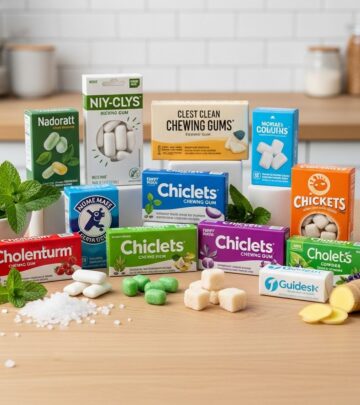
The Rise of Clean Chewing Gum Brands
If you’ve ever glanced at the ingredient label of a typical pack of gum, chances are you’ve seen a list full of artificial sweeteners, synthetic flavors, and obscure additives. Driven by growing consumer demand for natural ingredients and non-toxic choices, a new wave of gum brands is ditching chemicals in favor of clean, simple, and sustainable formulations.
The term “clean gum” typically refers to products that are:
- Organic and non-GMO
- Free from artificial sweeteners and synthetic chemicals
- Allergen-friendly (frequently soy- and gluten-free)
- Often made with natural sweeteners or sugar alcohols like xylitol and erythritol
- May use chicle, a natural latex from the sapodilla tree, as their gum base instead of petroleum-derived substances
According to dental experts, these formulations not only reduce unnecessary exposure to chemicals but can also be beneficial for oral health.
Understanding “Clean Gum”: What Makes It Different?
“Clean” or “natural” gum brands distinguish themselves through their ingredient lists. Instead of the conventional gum base (often containing plastics and artificial stabilizers), clean gums may use natural chicle, vegetable glycerin, and real sugar or sugar alcohols. Some avoid common food allergens and strive to be vegan or plastic-free.
Key features of clean gum include:
- No artificial sweeteners: Instead, many use xylitol, erythritol, or stevia, which are plant-based and less likely to contribute to cavities.
- Organic and sustainably sourced ingredients: Many brands highlight their use of non-GMO and organic materials.
- Allergen-free recipes: These gums avoid soy, gluten, and nuts, making them safer for sensitive consumers.
- Eco-friendly packaging: Sustainability in packaging and harvesting cam help minimize environmental impact.
How to Choose the Best Natural Gum
With no FDA-backed “clean” label for gums, buyers must be smart about ingredient lists and packaging claims. Dental experts recommend several strategies when selecting a healthier gum:
- Evaluate sweeteners: Sugar-free gums are generally preferred for dental health. Xylitol and erythritol are top picks, as they help decrease acid-producing oral bacteria, reducing cavities.
- Moderation matters: Even clean gums sometimes use natural sugars; consuming these too frequently can contribute to tooth decay.
- Check for allergens: Opt for brands that specify “soy-free,” “nut-free,” or “gluten-free” if you have food sensitivities.
- Consider gum base: Gums using chicle or sap-derived bases avoid plastic and other synthetic components frequently found in conventional chewing gums.
Dr. Mark S. Wolff, dean at the University of Pennsylvania School of Dental Medicine, notes that while the sugar in gum disappears after about 10 minutes of chewing (leading to rapid loss of flavor), it’s still safer to choose sugar-free options for frequent chewers—”one less source of sugar that might cause tooth decay.”
Top Clean Gum Brands: What Sets Each Apart
Let’s examine the leading clean gum brands, their unique selling points, and what dental experts say about their examples:
Marybelle’s Real Good Gum
- Advertised as “always gunk-free”
- Made with just five ingredients: organic cane sugar, chicle, organic glycerin, organic sunflower lecithin, and natural flavors
- Soy-, nut-, and peanut-free—ideal for those with common allergies
- Contains sugar, so moderation is advised to minimize potential for tooth decay
Glee Gum
- Free of artificial flavors, coloring, sweeteners, and preservatives
- Non-GMO verified
- Sugar-free varieties sweetened with xylitol
- Natural chicle base, “sustainably harvested” from Central America
- Recyclable packaging
- Varied flavors: bubble gum, lemon-lime, peppermint, mixed berry, etc.
Tree Hugger Bubble Gum
- Nostalgic ball shapes echo classic bubble gum from childhood
- Sweetened with cane sugar and glucose, but no artificial colors
- Flavor options: bubble gum, lemonade, pomegranate, wild berry, watermelon
- Gums with hard exteriors can be tough for those with dental sensitivities, so chew gently
Xylichew
- Sweetened exclusively with birch xylitol, which helps reduce acid-producing bacteria and supports oral health
- Plastic- and preservative-free
- Simple formulation: vegetable glycerin, gum arabic (acacia tree sap), sunflower lecithin, carnauba wax
- Flavors: cinnamon, fruit, spearmint, black licorice, peppermint
Peelu
- Sweeteners include isomalt, xylitol, and stevia
- Contains peelu tree fibers, traditionally used for oral hygiene
- Flavor options: spearmint, cinnamon, citrus, peppermint
Chicza Organic Rainforest Gum
- Certified USDA organic
- Main ingredients: evaporated cane juice, chicle, glucose, agave syrup, and natural flavors
- Vegan, and free from many common allergens
Comparing Clean Gum Brands
| Brand | Main Sweetener | Gum Base | Allergens/Features | Notable Flavors |
|---|---|---|---|---|
| Marybelle’s Real Good Gum | Organic Cane Sugar | Chicle | Soy-, Nut-, Peanut-Free | Classic |
| Glee Gum | Xylitol (sugar-free flavor) | Chicle | Non-GMO, Recyclable Packaging | Bubble gum, Lemon-lime, Berry |
| Tree Hugger | Cane Sugar, Glucose | Unknown | No Artificial Colors | Bubble gum, Lemonade, Berry |
| Xylichew | Xylitol | Gum Arabic | Plastic-Free, Preservative-Free | Spearmint, Fruit, Cinnamon |
| Peelu | Isomalt, Xylitol, Stevia | Peelu Fiber | Contains Oral Hygiene Fibers | Cinnamon, Citrus, Peppermint |
| Chicza | Cane Juice, Agave Syrup | Chicle | USDA Organic, Vegan, Allergen-Friendly | Mixed Berry, Mint |
Why Ingredients Matter: Gum Sweeteners and Bases Explained
For health-conscious consumers, the choice of gum sweetener can be critical. Here’s what you need to know about the most common clean gum sweeteners:
- Xylitol: This natural sugar alcohol is widely praised for its ability to inhibit the growth of acid-producing bacteria, helping to protect against cavities and tooth decay. It is a favorite among dentists, but too much may cause digestive upset for some people.
- Erythritol: Similar to xylitol, erythritol is also considered tooth-friendly and less likely to trigger discomfort.
- Sorbitol/Isomalt: These sugar alcohols are less beneficial but still far preferable to high-fructose corn syrup or artificial sweeteners.
The base of the gum is also important:
- Chicle: A traditional latex derived from the sapodilla tree and used in “clean” gums; preferred for its natural origin.
- Gum arabic (Acacia sap): Plant-derived gum base found in some xylitol-sweetened products.
- Peelu tree fiber: Adds a unique oral health element and a naturally sourced base.
Many mainstream gums include plasticizers, artificial stabilizers, and even microplastics, highlighting the importance of reading ingredient labels carefully.
Potential Oral Health Benefits of Chewing Clean Gum
Besides freshening breath, clean and sugar-free gums offer notable benefits for oral care:
- Stimulate saliva flow, helping to neutralize acids and remove food particles
- Xylitol-containing gums can reduce acid-producing bacteria, lowering the risk of cavities
- May help with dry mouth and bad breath (halitosis)
- Gums with peelu fiber and chicle may offer additional natural antibacterial properties
Remember, chewing gum is not a substitute for regular brushing, flossing, and dental check-ups, but it can provide supplemental support for oral hygiene.
Are There Any Risks or Downsides?
While clean gum brands minimize exposure to unnecessary chemicals and allergens, there are considerations:
- Digestive Sensitivity: Consuming large quantities of xylitol or other sugar alcohols may cause gastrointestinal discomfort in some individuals.
- Dental Safety: Hard gum balls or overly chewy varieties could pose a risk to those with dental restorations or sensitivities—chew gently and consult your dentist if you’re unsure.
- Pets: Xylitol is toxic to dogs and should be kept strictly out of reach.
Tips for Selecting and Using Clean Gum
- Choose gum with xylitol or erythritol sweeteners, especially if you chew frequently.
- Opt for brands that clearly spell out their ingredient sources.
- Check for allergen-free and vegan labeling if you have dietary restrictions.
- Avoid excessive gum chewing throughout the day to minimize digestive and dental risks.
- Use gum as a supplement, not as a replacement, for brushing and flossing.
Frequently Asked Questions (FAQs)
Q: What is ‘clean gum’ and why should I care?
A: Clean gum refers to chewing gum made without artificial sweeteners, preservatives, or synthetic chemicals. These gums use natural bases and sweeteners and are typically more suitable for those avoiding allergens or seeking a more natural lifestyle.
Q: Is xylitol safe for daily chewing?
A: For most people, xylitol is considered safe and can benefit oral health. However, excessive consumption can cause digestive issues, and it should never be given to pets, especially dogs.
Q: Can clean gum help prevent cavities?
A: Gums sweetened with xylitol or erythritol can decrease acid production by oral bacteria, reducing cavity risk. Chewing also increases saliva which helps clear particles from the mouth.
Q: How do I know if a gum is really ‘natural’?
A: Read ingredient lists and look for brands that highlight the absence of artificial flavors, colors, and preservatives. Certifications like “USDA Organic” or “Non-GMO Verified” add credibility.
Q: Are clean gums suitable for people with food allergies?
A: Many clean gums are formulated to be soy-, nut-, and gluten-free, making them safer for those with allergies. Always check individual product labels for specific allergen information.
Q: Is chewing gum good for sensitive teeth?
A: Select gums that use gentle, non-abrasive bases (like chicle or gum arabic) and avoid hard-coated varieties. All-natural options like Xylo-Gum, Glee Gum, or Simply Gum are recommended for sensitive teeth.
Conclusion: Making the Clean Gum Switch
Natural chewing gums offer a smarter choice for anyone looking to minimize chemical exposure and support their oral health. By picking clean gum brands that use tooth-friendly sweeteners and sustainable ingredients, consumers enjoy fresh breath—without the synthetic additives. While chewing gum can play a positive role in oral care routines, it’s best used in moderation and as a supplement to standard hygiene practices.
Be mindful of personal allergies and preferences, and always read the ingredient list carefully. Your healthiest chew awaits in the ever-expanding world of clean gum brands!
References
- https://www.prevention.com/food-nutrition/healthy-eating/a20451183/clean-gum-brands/
- https://www.bostondentalgroup.com/blog/chewing-gum-which-brands-are-best-for-your-teeth/
- https://cottlevillesmiles.com/chewing-gum-for-teeth-your-guide-to-safe-picks/
- https://thefiltery.com/natural-non-toxic-plastic-free-gum/
- https://www.healthline.com/nutrition/chewing-gum-good-or-bad
- https://pmc.ncbi.nlm.nih.gov/articles/PMC10299855/
- https://www.prevention.com/health/a20431629/health-news-roundup-fiber-linked-to-healthier-gums/
Similar Articles








Read full bio of Sneha Tete


