
Pilates for Lower Back Pain: Expert Moves and Relief Strategies
Ease your lower back pain and restore strength with proven Pilates exercises, tips and expert guidance.
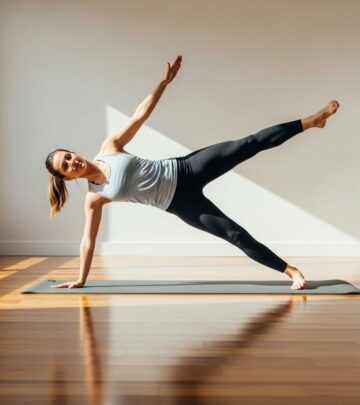
Struggling with persistent lower back pain? You are not alone—about 80% of adults experience lower back discomfort at some point in their lives. Modern lifestyles, long hours spent sitting, and poor postural habits contribute to the rising prevalence of back issues. Fortunately, Pilates—a method renowned for core strength and alignment—offers practical, safe relief by targeting the root causes of back pain. This article explores foundational Pilates principles, essential moves, and actionable tips to help you take control of your lower back health.
Why Pilates Works for Lower Back Pain
- Core Stabilization: Pilates focuses on activating deep abdominal and stabilizer muscles such as the transversus abdominis and multifidus, which act as a natural corset to support your spine and relieve pressure on your lower back.
- Posture Improvement: Pilates teaches proper alignment and breathing techniques, retraining your movement patterns to reduce strain on the spine both during exercise and everyday activities.
- Muscle Balance: The exercises strengthen weak muscles and lengthen tight ones, targeting the hips, glutes, and hamstrings to improve overall pelvic stability.
- Mindful Movement: Slow, controlled movement in Pilates enhances body awareness and helps prevent injury through better coordination.
Expert Opinion
Physical therapists and Pilates instructors often recommend Pilates for people with back pain because it’s gentle but effective, adaptable for all fitness levels, and focuses on long-term well-being rather than just temporary relief.
Common Causes of Lower Back Pain
- Sedentary Lifestyle: Sitting for extended periods can weaken core muscles and tighten hip flexors, leading to poor pelvic positioning and spinal stress.
- Poor Posture: Habitual slouching or exaggerated lumbar arching puts uneven pressure on the vertebrae.
- Muscle Imbalances: Weak abdominals and overworked lumbar muscles make the back more vulnerable to strain.
- Improper Lifting or Movement: Bending or lifting with poor technique can trigger acute pain and injuries.
Pilates: How It Relieves Back Pain
Pilates helps relieve back pain by:
- Strengthening the Core: Stabilizes the lower spine, pelvis, and hips.
- Enhancing Flexibility: Lengthens tight muscles and releases tension.
- Improving Body Mechanics: Teaches safer movement patterns for everyday life.
- Reducing Recurrence: Prevents future episodes by rebalancing muscle groups and upgrading posture.
Why Consult a Professional First?
If you’re suffering from new, intense, or chronic back pain, seek advice from a healthcare professional such as a physical therapist or physician before starting any exercise routine. They can identify any underlying conditions, such as herniated discs or spinal stenosis, and guide you to the safest and most effective Pilates progressions for your situation.
Essential Pilates Moves for Lower Back Pain Relief
The following Pilates exercises provide a foundation for reducing lower back pain, improving core stability, and enhancing mobility. Most can be performed at home, require minimal equipment, and are adaptable to different levels.
1. Constructive Rest
Benefit: Releases tension in the psoas muscle, relaxes spine.
- Lie on your back on a firm surface.
- Bend knees, place feet flat, just over hip-width apart.
- Angle knees inward so they touch.
- Keep low back neutral (slight arch), arms by sides, palms up.
- Breathe deeply and relax 5–10 minutes.
2. Pelvic Curl (Bridge Roll-Up)
Benefit: Activates abdominals, hamstrings, and glutes to realign and lengthen spine.
- Lie on your back, knees bent, feet flat and hip-width apart.
- Arms down by sides.
- Inhale, exhale, and slowly peel your spine off the mat one vertebra at a time.
- Hold at the top, feeling stretch in hip flexors.
- Exhale, roll down vertebra by vertebra to starting point.
- Repeat 8–10 times.
3. Dead Bug
Benefit: Stabilizes the spine and pelvis, strengthens core without stressing lower back.
- Lie on back, arms extended up, knees bent at 90° above hips.
- Brace core gently and lower opposite arm and leg toward the floor.
- Return to center, repeat on other side.
- Repeat for 10 reps each direction.
4. Hundreds (Breath-Focused Core Activation)
Benefit: Engages core, stimulates circulation.
- Lie on your back, knees bent or legs extended in tabletop.
- Lift upper body slightly off mat, extend arms by your sides, palms down.
- Pump arms up and down for a count of 100, breathing rhythmically in and out every five counts.
5. Single-Leg Lifts
Benefit: Improves pelvic stability, strengthens abs and hip flexors.
- Lie on back, knees bent, feet parallel, arms at sides.
- Exhale, lift one leg so knee is above hip joint.
- Inhale, lower back down.
- Repeat 5 times on each leg.
6. Chest Lift
Benefit: Strengthens deep abdominals, increases trunk control.
- Lie on back, knees bent, feet flat, hands behind head.
- Inhale, prepare; exhale, curl upper torso off mat.
- Focus on deep abdominal activation, not pulling on neck.
- Return to start.
- Repeat 8–10 times.
7. Supine Spine Twist
Benefit: Improves spinal mobility, stretches and strengthens obliques.
- Lie on back, arms extended out, knees bent at 90°, or straight if advanced.
- Keeping shoulders grounded, rotate knees gently to one side, then the other.
- Repeat 8–10 times per side.
8. Shoulder Bridge Prep
Benefit: Challenges lumbar stabilization, strengthens glutes and core.
- Begin as in Pelvic Curl.
- Lift hips, hold at the top, and, if comfortable, lift one leg off the mat.
- Lower leg and repeat with other side.
- Lower hips down, repeat as tolerated.
9. Side Bend
Benefit: Strengthens shoulders, obliques, and deep core muscles.
- Sit on mat, legs either bent or extended.
- Lean onto one hand, lift hips upward, forming a straight diagonal from shoulders to ankles.
- Hold briefly, then lower down.
- Repeat 5–8 times each side.
10. Basic Back Extension
Benefit: Strengthens often neglected back extensors.
- Lie face down, forehead on small cushion or towel.
- Arms at sides, palms pressing in, legs straight.
- Set core, inhale, gently raise head and upper back off mat.
- Hold for 1–2 breaths, then exhale and lower down.
- Repeat 8–10 times.
Pilates Sequence for Daily Lower Back Care
| Exercise | Main Muscles Targeted | Suggested Reps |
|---|---|---|
| Constructive Rest | Psoas, Lower Back | 5–10 min hold |
| Pelvic Curl | Abdominals, Glutes, Hamstrings | 8–10 |
| Dead Bug | Deep Core, Hip Flexors | 10 each side |
| Chest Lift | Transversus Abdominis | 8–10 |
| Supine Spine Twist | Obliques, Spine | 8–10 each side |
| Shoulder Bridge Prep | Glutes, Lumbar Spine | 8 |
| Side Bend | Obliques, Shoulders | 5–8 each side |
| Basic Back Extension | Back Extensors | 8–10 |
Tips for Maximizing Results and Safety
- Consistency is Key: Aim for 3–5 Pilates sessions per week for best results.
- Listen to Your Body: Never push through sharp or intense pain—modify or skip any exercise that provokes symptoms.
- Focus on Form: Proper technique is crucial in Pilates for gaining maximum benefit and avoiding further injury.
- Practice Breath Awareness: Match breath to movement; this enhances core engagement and relaxation.
- Start Slowly: If new to Pilates, begin with basic moves and gradually progress as strength and comfort improve.
When to Avoid Pilates for Back Pain
- Severe or radiating pain, numbness, or tingling in the legs (possible nerve involvement).
- Acute injury, recent surgery, or osteoporosis—specific exercises may need to be modified.
- If you have a diagnosed spinal condition, always work with a certified instructor and follow clinical guidance.
Pilates vs. Other Exercises for Back Relief
| Method | Primary Focus | Back Pain Benefit |
|---|---|---|
| Pilates | Core stabilization, postural alignment, mobility | Very effective for chronic and recurring pain; gentle and adaptable |
| Yoga | Flexibility, relaxation, balance | Good for mobility and stress reduction; certain poses can be challenging if pain is acute |
| Strength Training | Overall muscle building; functional support | Can be effective if form is strict; riskier for beginners without supervision |
| Walking/Swimming | Low-impact cardio | Excellent for gentle movement; complements Pilates routines well |
Frequently Asked Questions (FAQs)
Q: Can Pilates make lower back pain worse?
A: When performed with proper technique, Pilates can relieve many causes of lower back pain by strengthening weak muscles and improving posture. However, incorrect form or excessive force can exacerbate symptoms for those with acute injuries or structural issues. Always start slowly and consult a professional if you have concerns.
Q: How often should I do Pilates for lower back pain?
A: For maximum benefit, 3–5 times per week is ideal. Early stages may require shorter sessions with basic moves.
Q: When should I avoid Pilates exercises?
A: If you experience severe pain, numbness, tingling, or have a recent injury/surgical history, get medical clearance. Some spinal conditions require modifications.
Q: Is classical Pilates equipment necessary?
A: No. Most effective moves for lower back pain are mat-based and require only a firm surface, towel, or small cushion.
Q: Can Pilates prevent future back pain episodes?
A: Yes, consistent Pilates strengthens the muscles that support and stabilize your spine, corrects posture, and teaches safe movement patterns—making future injuries less likely.
Conclusion: Take Control of Your Lower Back Health
Pilates offers a safe, proven path to relieving lower back pain—transforming discomfort into strength, mobility, and confidence. With tailored exercises focusing on core engagement, spinal alignment, and mindful movement, you can enjoy lasting relief and enhance your quality of life. Always seek expert guidance if you’re new to Pilates or have medical concerns, build up gradually, and focus on consistency for best results.
References
- https://www.acefitness.org/resources/pros/expert-articles/5121/10-pilates-moves-to-alleviate-back-pain/
- https://humankinetics.me/2019/05/14/pilates-exercises-for-lower-back/
- https://www.hss.edu/health-library/move-better/pilates-for-back-pain
- https://www.pilatesanytime.com/blog/restorative/the-8-best-pilates-exercises-for-back-pain
- https://www.nhs.uk/live-well/exercise/pilates-and-yoga/chronic-back-pain-pilates-exercise-video/
- https://www.youtube.com/watch?v=NJQH4C5M6b0
- https://www.youtube.com/watch?v=zVjKoDJT8pc
- https://www.youtube.com/watch?v=i-VOH-3fTMk
Similar Articles




Read full bio of medha deb


