
Understanding Climate Change Skepticism: Engaging Doubt and Driving Conversation
From addressing skepticism to fostering constructive climate conversations, discover tools to navigate climate change denial.
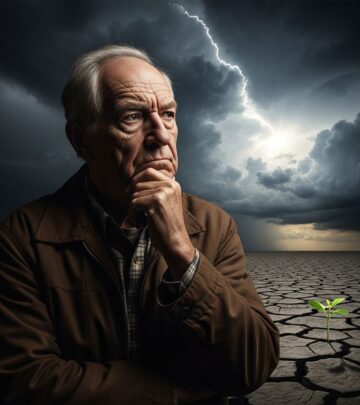
Engaging Climate Change Skepticism: A Guide to Conversation and Understanding
Climate change is one of the defining challenges of our era, yet its very existence is frequently questioned in social and political discourse. For environmental advocates and everyday citizens alike, encountering skeptics—those who doubt the evidence for human-induced climate change—can be perplexing and even frustrating. Rather than meeting doubt with confrontation, this guide provides practical strategies for dialogue, empathy, and constructive engagement. The following sections examine the roots of climate skepticism, the psychology of denial, and effective ways to facilitate conversations about our changing planet.
Why Do Some People Reject Climate Change?
The science behind climate change is well established, with a broad consensus among climate scientists regarding its causes and effects. However, skepticism about climate change is pervasive and often driven by factors beyond a lack of information. Understanding these drivers is essential to building connection and fostering change.
- Political Identity: Climate change opinions are frequently tied to political affiliation. For some, acknowledging climate change may feel like betraying group loyalty.
- Cognitive Dissonance: Accepting climate change can create tension with core beliefs or lifestyles, leading people to reject evidence to maintain internal consistency.
- Economic Fears: Concerns about job loss, regulation, or costs associated with climate action can fuel skepticism.
- Misinformation: Exposure to misleading media, disinformation campaigns, or social media echo chambers undermines trust in climate science.
- Psychological Distance: If climate change is perceived as a distant or abstract threat, it’s easier for individuals to deny its relevance.
The roots of denial are multi-layered and often deeply personal, shaped by social, economic, and emotional contexts rather than scientific reasoning alone.
Common Types of Climate Change Skepticism
There is no single way that skepticism is expressed, but certain patterns and rationales frequently emerge. Understanding these can help tailor conversations for greater impact.
| Type of Skepticism | Typical Arguments | Suggested Response |
|---|---|---|
| Science Denial | “The climate has always changed.” “Scientists disagree.” | Share broad scientific consensus, emphasize long-term trends. |
| Attribution Skepticism | “Humans aren’t responsible.” | Explain greenhouse gases and anthropogenic impacts. |
| Impact Minimization | “It won’t hurt us.” “It’s not urgent.” | Discuss local consequences and current disruptions. |
| Hopelessness/Apathy | “Nothing we do will help.” | Highlight successful interventions and the power of collective action. |
| Economic/Political Objection | “Solutions cost too much.” “It’s a government plot.” | Discuss green jobs, innovation, and adaptive policies. |
Preparing for Conversations with Skeptics
Engagement begins with preparation. Before initiating a climate conversation with a skeptic, consider the following steps:
- Listen First: Understand the individual’s concerns, reasoning, and values. Avoid assumptions.
- Clarify Your Goals: Are you aiming to shift opinions, share information, or simply create dialogue?
- Be Respectful: Avoid condescension or ridicule, which can entrench defensive attitudes.
- Find Common Ground: Focus on shared values, such as health, family, or economic stability.
- Arm Yourself with Facts—But Don’t Overwhelm: Use clear, accessible data and relatable examples.
- Manage Emotions: Recognize the conversation may trigger anxiety, anger, or grief—both for you and for the other person.
Effective Strategies to Address Climate Denial
Not all strategies work equally well for everyone. Research and experience show that certain techniques are particularly successful in opening minds.
- Use Stories and Examples: Share stories of communities affected by extreme weather or specific examples of climate impacts, such as declining tree species.
- Invoke Trusted Messengers: Reference scientists, faith leaders, or local figures who command respect within the skeptic’s community.
- Visual Aids: Use charts, images, or videos that illustrate change (e.g., graphs of CO2 emissions, before-and-after photos).
- Ask Questions: Encourage reflection (“Have you noticed changes in weather?” “What do you think causes this?”).
- Provide Pathways to Action: Highlight feasible, positive steps rather than just the size of the problem.
- Be Patient: Shifting ingrained beliefs takes time and repeated exposure.
Change is constant. You can’t stop change, control change, or perfectly plan change. You can ride the waves of change, partner with change, and shape change.
Climate Adaptation: The Power of Shaping Change
Conversations about climate change shouldn’t focus solely on disaster or despair. Adaptation offers a constructive lens, enabling people to see how individuals and societies can respond effectively. Emphasizing adaptation can often diffuse resistance and encourage participation in solutions.
- Community-Led Initiatives: Examples include neighborhood tree planting, water conservation, and energy upgrades.
- Education and Outreach: Local workshops, school programs, and public events demystify climate science and build capacity.
- Innovative Collaboration: Businesses, governments, and NGOs partnering on sustainability and resilience projects.
- Personal Changes: Lifestyle shifts in food, transport, and energy usage can empower individuals and demonstrate change is achievable.
Adaptation is long term or structural change in a creature or system to account for a need for survival.
Case Study: Trees and Climate Change
Tree populations provide tangible evidence of climate disruption and adaptation. For instance:
- Bigleaf Maple Decline: Hotter and drier summers in Washington have contributed to widespread decline in bigleaf maples, a finding backed by recent ecological research.
- Heat-Driven Fungi: In Seattle, newly identified fungus spores—triggered by heat and drought—are killing urban trees, underlining how climate factors directly affect local ecosystems.
- Forest Health Initiatives: Programs like Forest Health Watch and the Forest Adaptation Network engage communities in monitoring and adapting to forest changes.
The decline in tree health not only illustrates the local effects of climate change but also offers a relatable entry point for dialogue about wider environmental shifts.
Frequently Asked Questions (FAQs)
Q: Why do so many people doubt climate change despite scientific consensus?
A: Doubt can stem from political identity, misinformation, emotional responses, economic worries, and psychological distance. Confronting these barriers requires empathy and the sharing of accurate, relatable information.
Q: What is the best way to talk to someone who denies climate change?
A: Begin with respectful listening, seek common ground, use accessible facts, and provide hope for meaningful action rather than overwhelming them with data or criticism.
Q: What role do communities play in climate adaptation?
A: Community-led efforts—such as urban greening, resilient infrastructure, and education programs—are essential for shaping adaptation strategies that protect people and natural resources.
Q: How do tree species illustrate the effects of climate change?
A: Tree declines (like those of bigleaf maple) linked to increased heat, drought, and disease serve as living examples of how climate change disrupts ecosystems and signals the need for adaptation and monitoring.
Q: Can one person really make a difference regarding climate change?
A: Yes. Individual actions—from energy choices to advocacy and participation in community planning—contribute to collective shifts in environmental awareness and policy, inspiring wider change.
What If I Don’t Believe Climate Change Is Real?
If skepticism persists—either among readers or those you encounter—it’s important to remember:
- Science is iterative: Like all scientific fields, climate science evolves based on new evidence, but its core findings on human-induced warming are robust.
- Personal observations matter: Reflect on local changes in weather, seasons, or nature. Discuss with those who observe similar shifts.
- It’s okay to question: Inquiry is healthy; so is engaging with reliable sources (scientists, official agencies, academic studies).
- Dialogue can shift mindsets: Whether or not you’re convinced, open conversations build trust and foster shared understanding.
Resources for Further Engagement
- Forest Adaptation Network – Community and expert collaboration on climate adaptation in forests.
- Forest Health Watch – Citizen science and monitoring of forest health issues.
- Local Ecology Centers – Education and public engagement about local environmental change.
- National Climate Agencies – Up-to-date data and resources from NOAA, NASA, and the IPCC.
Conclusion: Moving the Climate Conversation Forward
Skepticism about climate change is not an insurmountable barrier—it’s a starting point for dialogue, learning, and adaptation. By meeting doubt with understanding, fostering honest engagement, and providing the tools for personal and collective change, we reshape not only perceptions but our capacity for a healthier planet. The journey from skepticism to informed action may be gradual, but with patience and intentionality, every conversation can move us closer to solutions.
Similar Articles








Read full bio of medha deb


