
Pollanization: Rethinking Green Building for a Living Future
Exploring a transformative vision for green building that fosters stronger connections between humanity, nature, and our built environments.

Green building has evolved from an environmental ideal into a multifaceted movement. While its earliest waves shaped how architects and developers consider resources, the next frontier looks toward a deeper, more holistic integration of human, ecological, and architectural systems. Inspired by the thinking of Michael Pollan and the promise of truly regenerative design, this vision pushes beyond ‘less harm’ to embrace buildings that actively participate in the health and vibrancy of both people and the planet.
Introduction: The Concept of ‘Pollanization’
“Pollanization” is a term used to describe the influence of Michael Pollan, best known for his writings on food and agriculture, on the world of architecture and green building. Pollan’s approach emphasizes respectful cohabitation with nature and sees the built environment as an active participant in ecological cycles rather than a space that exists apart from them. This philosophy invites us to reimagine buildings as living entities that nurture, regenerate, and foster true resilience.
- Pollan’s Core Ideas: Learn from nature, work with it, and find balanced reciprocity rather than domination.
- Application to Green Building: Buildings should not only minimize damage but contribute positively to ecological and human health.
Reframing Green Building: From ‘Less Bad’ to ‘More Good’
Conventional green building focuses on reducing negative impacts — “doing less bad.” However, Pollanization urges us to pursue “more good.” This means seeking a built environment that enhances community wellbeing, biodiversity, and local resources, rather than simply reducing harm.
- Sustainable Design: Efficient energy use, water conservation, low-emission materials, and waste reduction are the backbone, but are no longer the sole aspirations.
- Regenerative Design: Buildings become net-positive entities, supporting their surroundings and even acting as habitat for species.
The Limitations of the Current Green Building Paradigm
The existing standards and rating systems for green buildings, such as LEED and Energy Star, have driven remarkable progress. Yet they are primarily focused on conservation, mitigation, and technical efficiency. While these efforts are crucial, they sometimes miss vital dimensions: the quality of human life, emotional connection, and the role of buildings as active ecological partners.
- Most standards reward minimization (energy, water, material use) but rarely incentivize restoration, regeneration, or increased biodiversity.
- Pollan’s lesson: We should move from extraction and separation toward integration and mutual benefit.
Pollan’s Examples: Lessons from Food and Agriculture
Pollan’s work in food demonstrates that the best systems mimic natural cycles. Industrial farming, like conventional building, strips away the complexity of natural systems and prioritizes management over adaptation. Regenerative agriculture, in contrast, sees soil, plant, animal, and human health as intertwined.
- Analogy to Architecture: Imagine a building as part of a living infrastructure — one that cycles nutrients, fosters biodiversity, and connects people to place.
- Closed Loops: Composting, greywater recycling, and renewable energy can help buildings function as part of supportive environmental cycles.
Holistic Green Building Strategies
Pollanization’s call to holistic design goes beyond traditional environmental metrics to include deep ecological awareness and a sense of place. Green buildings following this philosophy embrace multiple layers of meaning and connection.
- Site selection and building orientation that optimally harness climatic conditions and ecologies.
- Material choices that favor renewability, local sourcing, and closed-loop reuse.
- Creating spaces that encourage community connection, physical health, and psychological wellbeing.
- Landscaping with native plants, green roofs, and living walls for habitat support and water conservation.
Table: Pollanization vs. Traditional Green Building Approaches
| Aspect | Traditional Green Building | Pollanization Approach |
|---|---|---|
| Goal | Reduce negative impact | Generate positive impact |
| Energy | Minimize consumption | Produce clean energy, share with community |
| Water | Conserve, reduce use | Harvest, recycle, replenish local watersheds |
| Materials | Low toxicity, recycled content | Biological cycles, regenerative sourcing |
| Connection to Nature | Mitigate habitat loss | Enhance biodiverse habitats, beauty, and education |
Living Building Challenge: A Regenerative Model
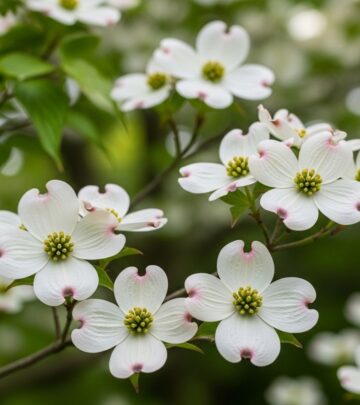
The Living Building Challenge is a pioneering framework representing Pollanization principles in practice. It requires buildings to act as “positive contributors” to their sites, meeting strict standards in energy, water, materials, equity, and beauty. The approach calls buildings to function as “flowers”: self-sustaining, beautiful, and beneficial to their environment.
- Net-positive energy and water use
- Nontoxic, locally sourced materials
- Support for ecological health, including restoring and creating habitat
- Spaces that foster community and aesthetic pleasure
Biophilia and Emotional Connections
Pollan’s philosophy values emotional and sensory ties to the environment. Biophilic design seeks to evoke those connections by integrating features such as natural light, views of greenery, organic shapes, and patterns found in nature.
- Physical and psychological health benefits: Reduced stress, improved attention, heightened wellbeing
- Learning from indigenous wisdom on living harmoniously with local ecosystems
- Building as “place-maker”: Creating memorable, meaningful destinations
The Social Dimension: Community and Equity
Green buildings must advance social wellbeing as much as ecological goals. Pollanization recognizes that true sustainability is impossible without social equity and inclusion.
- Accessible, welcoming spaces for diverse populations
- Design processes that involve community voices and support local needs
- Buildings as civic assets and cultural symbols
Case Studies: Practical Pollanization
- LBC-Certified Buildings: Projects like the Bullitt Center in Seattle demonstrate net-positive energy, integrated habitat, and a transparency in sourcing and community engagement.
- Community Gardens: Green building initiatives that incorporate shared food production and urban agriculture reconnect people to natural cycles.
- Biophilic Schools: Classrooms and parks designed to maximize light, air, and connection to local flora and fauna, supporting learning and play.
Challenges and Opportunities
Transitioning from standard green buildings to Pollanized, living buildings is ambitious. It requires shifts in culture, policy, engineering, and even our sense of ethics and aesthetics. Challenges include cost, regulatory inertia, supply chain complexity, and insufficient education among stakeholders. Yet, the opportunities are transformative:
- Healthier ecosystems and urban environments
- Improved productivity, happiness, and wellbeing for occupants
- Enhanced resilience to climate change and resource scarcity
- Vibrant neighborhoods with unique character and purpose
How to ‘Pollanize’ Your Building Project: Key Strategies
- Start with deep observation of the site — understand history, ecology, and human context.
- Engage the community in participatory design.
- Choose materials and systems for their restorative potential.
- Favor designs that encourage daily interaction with nature.
- Measure success not only in energy or water saved, but in biodiversity enhanced and happiness fostered.
Pollanization and the Future of Green Building
Pollanization is not a checklist but a mindset: Buildings as contributors, collaborators, and stewards. It combines the rigor of science with the inspiration of art, challenging us to imagine and achieve a future in which the built environment helps heal, rather than harm, our world.
Frequently Asked Questions (FAQs)
Q: What does ‘Pollanization’ mean in architecture?
A: Pollanization is the application of Michael Pollan’s nature-centric philosophy to design, encouraging buildings and cities to function as more than passive structures — they become active players in ecological and social systems.
Q: How is Pollanization different from traditional green building?
A: Traditional green building emphasizes resource efficiency and harm reduction. Pollanization centers regeneration, positive impact, and emotional connections to place, fostering buildings that benefit their environment and occupants.
Q: What are some practical features of a Pollanized building?
A: Regenerative water and energy systems, biophilic design, restoration of habitat, community engagement in design, and use of nontoxic, locally-sourced materials.
Q: Are Pollanized buildings more expensive?
A: Upfront costs can be higher, but enhanced durability, operational savings, health benefits, and community resilience often far outweigh initial investments over a building’s lifecycle.
Q: Can Pollanization work in any setting, urban or rural?
A: Yes. While strategies may differ depending on context, the principles of regeneration, integration, and engagement apply effectively to both urban and rural projects.
Conclusion: Toward a Living Future
Pollanization represents both a call and a blueprint for the next phase of green building: a world in which architecture becomes an ally to both people and planet. By reimagining our approach, we can design and build environments that restore, connect, and inspire — living proof that humanity and nature can thrive together in the age of the Anthropocene.
References
- https://archive.epa.gov/greenbuilding/web/html/about.html
- https://www.microsoft.com/en-us/sustainability/learning-center/green-building
- https://www.pnnl.gov/explainer-articles/green-buildings
- https://www.completecommunitiesde.org/green-building-practices/
- https://chandra-asri.com/en/blog/what-is-a-green-building
- https://www.ibm.com/think/topics/green-building
- https://www.epa.gov/smartgrowth/green-building
- https://en.wikipedia.org/wiki/Green_building
- https://www.iberdrola.com/sustainability/sustainable-green-buildings
Similar Articles






Read full bio of Sneha Tete


