
Plant This, Not That: A Guide to Southeastern Natives
Transform your garden with native plants that thrive naturally in the Southeast
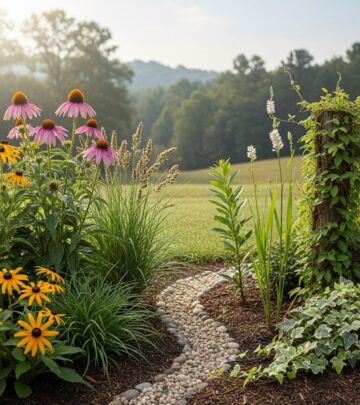
The Southeastern United States boasts one of the most biodiverse regions in North America, yet many gardens feature non-native and invasive species that threaten local ecosystems. By choosing native plants over problematic alternatives, gardeners can create beautiful landscapes that support local wildlife, require less maintenance, and help preserve the region’s natural heritage. This comprehensive guide explores the best native plant alternatives for common invasive species found in Southeastern gardens.
Why Choose Native Plants for Your Southeastern Garden
Native plants have evolved over thousands of years to thrive in the Southeast’s unique climate, characterized by hot, humid summers, mild winters, and abundant rainfall. These plants have developed natural defenses against local pests and diseases, making them inherently more resilient than non-native species. When you plant natives, you’re not just adding beauty to your landscape—you’re creating vital habitat for native pollinators, birds, and beneficial insects that have co-evolved with these plants.
The ecological benefits of native plants extend far beyond your property line. Native plants support complex food webs, providing nectar, pollen, seeds, and foliage that sustain local wildlife populations. A single native oak tree, for instance, can support over 500 species of caterpillars, which in turn feed countless birds raising their young. Non-native plants, by contrast, often provide little to no value for native wildlife, creating what ecologists call “food deserts” even in seemingly green landscapes.
From a practical standpoint, native plants require significantly less water, fertilizer, and pesticides once established. Their deep root systems help prevent erosion, filter stormwater runoff, and improve soil health. This translates to lower maintenance costs, reduced chemical use, and more time to enjoy your garden rather than working in it.
Replacing Invasive Trees with Native Alternatives
One of the most impactful changes you can make in your landscape is replacing invasive trees with native species. Trees provide structure, shade, and habitat value that few other plants can match, making your choices particularly important for the overall health of your ecosystem.
Instead of Bradford Pear, Plant Serviceberry: The Bradford pear has become notorious throughout the Southeast for its weak branch structure, foul-smelling flowers, and invasive tendencies. This cultivar of Callery pear readily escapes cultivation and forms dense thickets that crowd out native vegetation. A far superior alternative is the serviceberry, native throughout the region and available in several species including Amelanchier arborea and Amelanchier laevis. Serviceberry offers delicate white flowers in early spring, edible berries that taste like blueberries in early summer, and brilliant fall color ranging from yellow to orange-red. The fruit attracts over 40 species of birds, and the early blooms provide crucial nectar for emerging pollinators.
Instead of Mimosa Tree, Plant Fringe Tree: The mimosa tree, with its pink powder-puff flowers and ferny foliage, may seem charming, but it’s a aggressive invader that spreads rapidly through prolific seed production. Native fringe tree offers similar aesthetic appeal with fragrant, lacy white flowers that cover the tree in spring and later develop into vibrant purple fruits in autumn. This small flowering tree is perfect for courtyards and small spaces, growing well in full sun to partial shade in moist, rich soil. It can be trained as a large shrub with many stems or shaped into an upright multistemmed tree form, providing versatility for different landscape needs.
Instead of Princess Tree, Plant Southern Magnolia: The princess tree grows rapidly and produces showy purple flowers, but it’s one of the most aggressive invasive trees in the Southeast, producing up to 20 million seeds per tree annually. Southern magnolia provides the stately presence and beautiful flowers that gardeners seek, but with none of the invasive problems. This broadleaf evergreen flowering tree features dark green, glossy foliage and large, fragrant white flowers that appear in early summer. Native from North Carolina to Florida and west to Arkansas and Texas, it thrives in moist soils and full sun or light shade. Many cultivars are available to suit different landscape sizes, and the seeds provide valuable food for birds and other wildlife.
Native Shrub Alternatives for Southeastern Gardens
Shrubs form the middle layer of the landscape, providing privacy, structure, and habitat. Choosing native shrubs over invasive alternatives creates a more resilient and ecologically valuable garden while reducing maintenance requirements.
Instead of Burning Bush, Plant Beautyberry: Burning bush has escaped cultivation throughout much of the Southeast, forming dense stands that shade out native plants. For autumn color and interest, beautyberry provides a unique splash of bright purple fruit that persists into winter. This native shrub has recently become popular among native-plant enthusiasts because it’s easy to grow, spreads well without being aggressive, and provides excellent wildlife value. It attracts pollinators in spring when it produces small pink flowers, and birds feast on the berries in autumn and winter. Beautyberry grows in full sun to partial shade and adapts to clay or sandy, moist soils, making it suitable for a wide range of garden conditions.
Instead of Japanese Barberry, Plant Virginia Sweetspire: Japanese barberry creates impenetrable thickets and has been linked to increased tick populations in infested areas. Virginia sweetspire offers similar landscape function with arching branches and adaptability to various conditions. This native deciduous shrub produces fragrant white flower spikes in late spring or early summer and develops brilliant red fall color. It tolerates a wide range of soil conditions from wet to dry and grows well in sun or shade, making it one of the most versatile native shrubs for Southeastern gardens.
Instead of Nandina, Plant Inkberry Holly: Nandina, despite its popularity, can be toxic to birds and has begun naturalizing in some areas of the Southeast. Inkberry holly provides similar evergreen structure with much greater ecological value. This native holly produces small white flowers that attract pollinators and black berries that provide critical winter food for birds. It adapts to full sun or partial shade and tolerates both wet and dry conditions once established, making it an excellent choice for foundation plantings or naturalizing in woodland gardens.
Ground Covers and Perennials That Support Biodiversity
The lowest layer of your garden ecosystem may be the most important for supporting insect diversity and soil health. Native ground covers and perennials create living mulch that suppresses weeds, prevents erosion, and provides crucial habitat for ground-nesting bees and other beneficial insects.
Instead of English Ivy, Plant Wild Ginger: English ivy smothers trees, damages buildings, and creates monocultures that exclude all other plants. Wild ginger offers similar ground-covering ability in shade without any invasive tendencies. This native perennial features heart-shaped leaves that form dense mats and unusual burgundy flowers that hide beneath the foliage. It thrives in shade with moist, rich soil and provides host plant value for pipevine swallowtail butterflies in some regions.
Instead of Vinca, Plant Green-and-Gold: Vinca or periwinkle spreads aggressively and rarely provides any value for native wildlife. Green-and-gold creates similar ground-covering effect with cheerful yellow flowers that bloom from spring through fall. This native perennial forms attractive mats of evergreen foliage and adapts to sun or shade, though it flowers most prolifically with more light. It grows well in average to moist soils and combines beautifully with other native woodland plants.
Instead of Asian Wisteria, Plant Coral Honeysuckle: Asian wisteria species strangle trees and require constant control to prevent them from overtaking landscapes. Coral honeysuckle provides beautiful tubular flowers without the aggressive growth habit. This native vine produces coral-red flowers from spring through fall that hummingbirds absolutely adore. It grows in sun to partial shade and adapts to various soil types, making it perfect for training on arbors, fences, or trellises. Unlike its invasive Asian cousins, coral honeysuckle remains well-behaved and provides significant wildlife value.
Creating Habitat with Native Plant Communities
The most successful native gardens mimic natural plant communities rather than isolated specimens scattered across the landscape. By grouping plants that naturally occur together in the wild, you create synergistic relationships that enhance the overall health and resilience of your garden.
In sunny, well-drained areas, consider creating a meadow community with native grasses like little bluestem and prairie dropseed combined with flowering perennials such as black-eyed Susan, purple coneflower, and blazing star. These communities require minimal maintenance once established—an annual mowing or burn in late winter is often sufficient to keep them healthy and vigorous.
For shadier areas with moist soil, woodland communities featuring trees like red maple or sweetgum as canopy species, with understory shrubs like beautyberry and spicebush, and ground layer plants including wild ginger, Solomon’s seal, and ferns create lush, low-maintenance landscapes. These layered plantings mimic natural forest structure and provide habitat at every level.
Wet areas that many gardeners struggle with become assets when planted with moisture-loving natives like bald cypress, buttonbush, pickerelweed, and cardinal flower. These plants not only tolerate wet conditions but actively improve water quality by filtering runoff and preventing erosion.
Getting Started with Native Plants
Transitioning to a native plant landscape doesn’t have to happen overnight. Start by replacing one problematic plant each season, or dedicate a small area of your garden to native plants and expand gradually as you become more familiar with their requirements and performance.
Source your native plants carefully. Look for nurseries that grow true native species from locally-sourced seed or cuttings rather than cultivars that may have reduced wildlife value. Many native plant societies host annual sales featuring plants grown by members from local seed sources—these are often your best options for genetic diversity and local adaptation.
Prepare planting sites properly by removing existing invasive plants and amending soil if necessary, though many natives thrive in average soil conditions. Water new plantings regularly during their first growing season to help them establish deep root systems, but most natives require minimal supplemental water once established.
Be patient with native plants. Unlike many non-natives that are bred for instant impact, native plants often spend their first year or two establishing root systems before putting on significant top growth. The old saying “first year they sleep, second year they creep, third year they leap” holds true for many native perennials.
Maintenance and Long-Term Care
One of the greatest benefits of native plants is their reduced maintenance requirements compared to traditional landscape plants. However, they’re not entirely maintenance-free, especially in the first few years as they establish.
Mulch native plantings with leaf litter or wood chips to suppress weeds, retain moisture, and build soil organic matter. Avoid excessive mulch depth—two to three inches is sufficient. Leave some bare ground for ground-nesting bees, which make up the majority of native bee species.
Resist the urge to deadhead or cut back native perennials too aggressively. Many natives produce seeds that feed birds through winter, and hollow stems provide crucial overwintering habitat for beneficial insects. Save major cutting back for late winter or early spring before new growth emerges.
Fertilization is rarely necessary for native plants growing in appropriate conditions. If your soil is severely depleted, a light application of compost in spring provides gentle, slow-release nutrition. Chemical fertilizers can actually harm native plants adapted to nutrient-poor soils and promote weed growth.
Common Challenges and Solutions
Even native plants can face challenges in garden settings. Deer browsing tops the list of concerns for many gardeners. While no plant is truly deer-proof, many natives are less palatable to deer than exotic alternatives. Ferns, native grasses, and plants with aromatic foliage like spicebush and mountain mint tend to escape deer damage. Physical barriers or repellents may be necessary in areas with high deer pressure, especially for newly planted specimens.
Some native plants spread more vigorously than gardeners anticipate. Species like golden groundsel, obedient plant, and bee balm can colonize quickly in ideal conditions. Understanding a plant’s growth habit before placing it in your garden prevents surprises. Vigorous spreaders work wonderfully in naturalized areas where they can roam freely but may require containment or division in more formal settings.
Disease and pest issues occasionally affect native plants, but these are rarely serious enough to warrant intervention. Native plants and their natural pests have evolved together, reaching a balance that typically keeps damage aesthetic rather than fatal. A native swallowtail caterpillar munching on your spicebush is a sign of ecological success, not a problem to solve.
Seasonal Interest with Native Plants
A well-designed native plant garden provides interest throughout the year. Spring brings the delicate blooms of serviceberry, fringe tree, and woodland wildflowers like trillium and bloodroot. As temperatures warm, azaleas and rhododendrons provide bold color, while native iris and spiderwort add texture to sunny borders.
Summer showcases the true glory of many native perennials. Purple coneflower, black-eyed Susan, and bee balm create drifts of color while supporting countless pollinators. Native hydrangeas bloom in shade, and summersweet fills the air with fragrance in moist areas.
Autumn belongs to the asters and goldenrods, which provide critical late-season nectar when few other plants are blooming. Fall foliage rivals any exotic for brilliance—think of Virginia sweetspire’s crimson leaves, sweetgum’s purple and gold, or the scarlet of black gum. Beautyberry’s purple fruits and native hollies’ red berries add structural interest that persists through winter.
Winter gardens featuring native plants possess a quiet beauty often overlooked. Seed heads of native grasses rustle in winter winds and sparkle with frost. Evergreen species like southern magnolia, American holly, and mountain laurel provide structure and shelter for overwintering birds. The architectural bark of river birch and sycamore creates visual interest against winter skies.
Frequently Asked Questions
Q: Are native plants harder to find than common garden plants?
A: While native plants were once difficult to source, they’re now widely available through specialized native plant nurseries, online retailers, and increasingly at mainstream garden centers. Many native plant societies host annual sales with excellent selections of locally-sourced plants.
Q: Will native plants look too wild or messy in my formal garden?
A: Native plants can be incorporated into any garden style, from formal to naturalistic. Many natives have refined forms and growth habits comparable to traditional garden plants. Strategic plant selection and thoughtful design create polished looks while maintaining ecological benefits.
Q: How long does it take for native plants to establish?
A: Most native perennials and shrubs establish within two to three years, with noticeable growth and flowering increasing each season. Trees may take longer to reach significant size, but they develop deep root systems that make them more drought-tolerant and resilient than fast-growing alternatives.
Q: Can I mix native plants with non-native garden plants?
A: Yes, you can successfully combine native and non-invasive exotic plants in your garden. The key is avoiding known invasive species and maximizing the proportion of native plants to provide the greatest ecological benefit. Aim for at least 70% native plants to support robust wildlife populations.
Q: Do native plants attract more mosquitoes or pests?
A: Native plants don’t attract more mosquitoes than non-natives. Mosquito populations relate to standing water availability, not plant selection. Native plants actually support populations of dragonflies, damselflies, and bats that consume mosquitoes, providing natural pest control.
Q: Are native plants expensive compared to common nursery plants?
A: Native plant prices vary but are generally comparable to quality non-native plants. While initial costs may seem higher at specialized nurseries, native plants’ reduced maintenance requirements, greater longevity, and minimal input needs make them more economical over time.
References
- https://www.houzz.com/magazine/10-top-native-plants-for-the-u-s-southeast-stsetivw-vs~33827672
- https://askhrgreen.org/wp-content/uploads/2011/06/Native-Plants-for-Southeast-Virginia-Guide.pdf
- https://fieldreport.caes.uga.edu/publications/B987/native-plants-for-georgia-part-i-trees-shrubs-and-woody-vines-2/
- https://www.plantvirginianatives.org/plant-southeast-virginia-natives
- http://usinggeorgianativeplants.blogspot.com/2020/08/the-southeast-native-plant-primer-book.html
Similar Articles






Read full bio of Sneha Tete


