
Peanut Butter Fun Facts
Uncover the fascinating world of peanut butter, from its ancient origins to its modern health benefits.
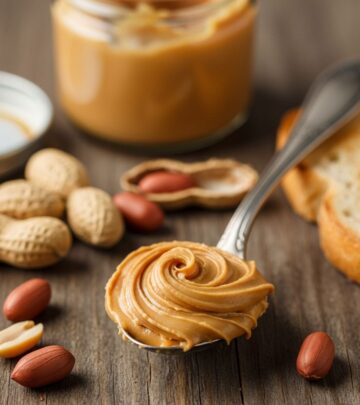
Introduction to Peanut Butter
Peanut butter is a staple food in many households around the world, enjoyed for its creamy texture and nutty flavor. Beyond its taste, peanut butter has a rich history and numerous health benefits. In this article, we’ll delve into some fun facts about peanut butter, including its origins, nutritional value, and versatile uses.
History of Peanut Butter
Peanut butter has been consumed for thousands of years, dating back to ancient civilizations like the Incas and Aztecs, who used peanuts as a form of currency and also ground them into a paste for eating. However, modern peanut butter, as we know it today, began to take shape in the late 19th century. George A. Bayle, Jr., was one of the first entrepreneurs to commercially produce peanut butter in 1894 in St. Louis, Missouri. In the early 20th century, Dr. John Harvey Kellogg patented a process for milling roasted peanuts into a smooth, creamy paste.
Nutritional Benefits of Peanut Butter
Peanut butter is a concentrated source of nutrition, rich in protein, fat, fiber, and essential vitamins and minerals like Vitamin E, B6, magnesium, and manganese. It is also a good source of healthy fats, which can help lower cholesterol levels and improve heart health. One tablespoon of peanut butter provides about 95 calories, making it a filling snack that can help with weight management.
Types of Peanut Butter
Today, peanut butter comes in various forms, including natural, organic, low-fat, and flavored varieties. Natural peanut butter contains no additives, just peanuts and sometimes salt, while some commercial brands include sugar and hydrogenated oils to enhance taste and shelf life. Artisanal peanut butters often incorporate unique ingredients like honey, chocolate, or spices.
Uses of Peanut Butter
Peanut butter is incredibly versatile in its uses. It’s a common ingredient in baking, particularly for cookies and cakes, and is often used in smoothies and oatmeal for added protein. The classic peanut butter and jelly sandwich remains a favorite snack, especially among children. Additionally, peanut butter is used in savory dishes, such as sauces and dips, and is a popular filling in chocolate candies.
Fun Facts About Peanut Butter
- It Takes 540 Peanut Butter Jars to Equal One Ton of Peanuts: Producing a single 12-ounce jar requires about 540 peanuts. Given its high demand, peanut butter production contributes significantly to the peanut industry.
- Peanuts Are Not Nuts, But Legumes: Belonging to the legume family, peanuts are more closely related to beans and lentils than to true nuts like almonds and walnuts.
- World’s Largest Peanut Butter and Jelly Sandwich: In a display of culinary creativity, the world’s largest peanut butter and jelly sandwich weighed an astonishing 1,342 pounds.
Health Benefits of Peanut Butter
Peanut butter offers several health benefits due to its nutrient-rich composition. It is an excellent source of monounsaturated and polyunsaturated fats, which are beneficial for maintaining healthy cholesterol levels and reducing the risk of heart disease. Additionally, peanut butter contains arginine, an amino acid that helps improve blood vessel function, further supporting cardiovascular health. Its high protein content makes it a popular choice for fitness enthusiasts looking to boost their protein intake.
Frequently Asked Questions (FAQs)
Q: Where do peanuts belong in the plant kingdom?
A: Peanuts belong to the legume family, not the nut family. They are more closely related to beans and lentils than to true nuts like almonds or walnuts.
Q: Is peanut butter good for my health?
A: Yes, peanut butter can be beneficial for health due to its rich content of proteins, healthy fats, and essential vitamins and minerals. However, it’s important to choose natural peanut butter without added sugars or hydrogenated oils to maximize its health benefits.
Q: Who was the first person to commercially produce peanut butter?
A: George A. Bayle, Jr., was one of the first entrepreneurs to commercially produce peanut butter in 1894 in St. Louis, Missouri.
Q: How many peanuts are needed to make a 12-ounce jar of peanut butter?
A: Approximately 540 peanuts are required to make a 12-ounce jar of peanut butter.
References
- https://domesticfits.com/health-benefits-peanut-butter/
- https://www.britannica.com/topic/peanut-butter
- https://www.webmd.com/diet/peanut-butter-good-for-you
- https://www.zentein.ca/post/peanut-butter-5-nutty-health-benefits-of-the-delicious-spread
- https://nutritionfacts.org/video/friday-favorites-do-the-health-benefits-of-peanut-butter-include-longevity/
- https://spark.asu.edu/from-sacrifice-to-snack/
Similar Articles







Read full bio of medha deb


