
Infotainment Systems: A Hidden Danger on the Road
Understanding the Risks of Car Infotainment Systems
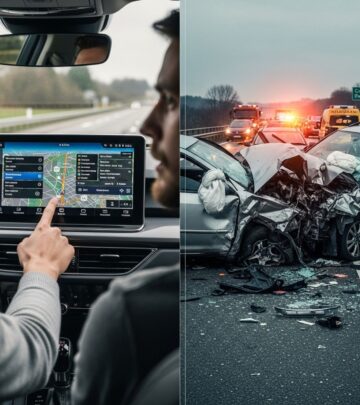
Introduction to Distracted Driving
Distracted driving is a significant concern on today’s roads, with a variety of factors contributing to the problem. One of the often-overlooked culprits is the car infotainment system. These systems, designed to enhance the driving experience with features like navigation, music, and hands-free calls, can paradoxically increase distraction rather than reduce it.
Infotainment Systems and Distractions
Car infotainment systems combine audio and video entertainment with control interfaces for navigation, temperature, and other vehicle functions. While these systems are intended to make driving more convenient and enjoyable, they introduce several forms of distraction:
- Visual Distraction: Infotainment systems often require drivers to look at screens, menus, and buttons, which can divert their attention from the road.
- Cognitive Distraction: The mental effort needed to interact with these systems can be substantial, taking the driver’s focus away from safe driving practices.
- Manual Distraction: Even when using voice commands or touchscreens, drivers must remove a hand from the wheel or concentrate on the interface, which can lead to a loss of vehicle control.
Impact on Driving
Studies have shown that drivers using infotainment systems can remain distracted for significant periods, often exceeding 40 seconds. This prolonged distraction can double the risk of accidents, as taking eyes off the road for even two seconds can increase crash risk significantly.
Cognitive Overload and System Malfunctions
Infotainment systems can cause cognitive overload by requiring drivers to multitask—switching between driving and interacting with the system. Additionally, malfunctions or difficulties with these systems can further distract drivers as they attempt to troubleshoot, potentially leading to dangerous situations on the road.
Legal Implications
Using infotainment systems while driving can have legal consequences, especially if an accident occurs. Victims of distracted driving may be entitled to compensation, highlighting the need for responsible use of these systems.
Solutions and Precautions
To mitigate the risks associated with infotainment systems, drivers should:
- Limit interactions with the system while driving.
- Use hands-free features when possible.
- Avoid complex tasks like programming navigation or scrolling through menus.
- Set up common features like Bluetooth connections before driving.
Frequently Asked Questions (FAQs)
Q: Is using voice commands safe while driving?
A: While voice commands are less physically demanding than touchscreens, they can still be cognitively distracting, especially if the commands are complex or require multiple interactions.
Q: How can I minimize distractions from infotainment systems?
A: Minimize distractions by setting up your system before driving, using hands-free features, and avoiding non-essential interactions while driving.
Q: Are all infotainment systems equally distracting?
A: No, some systems are more distracting than others. For example, those with simpler interfaces or better voice recognition may be less distracting than more complex systems.
References
- https://www.powerlegalgroup.com/car-infotainment-systems-distracted-driving/
- https://www.pilawyers.com/blog/car-infotainment-systems-distracting-drivers/
- https://www.cbmclaw.com/car-infotainment-systems-an-underreported-source-of-driver-distraction/
- https://www.latimes.com/business/story/2022-07-06/we-are-killing-people-how-technology-has-made-your-car-a-candy-store-of-distraction
- https://www.nhtsa.gov/risky-driving/distracted-driving
- https://usnddc.org/wp-content/uploads/2023/03/Crash-risk-driver-distraction_lit-review_10-1.pdf
- https://garmolaw.com/car-infotainment-systems-an-underreported-source-of-driver-distraction/
- https://www.iihs.org/research-areas/distracted-driving
Similar Articles








Read full bio of medha deb


