
How Basketballs, Baseballs, and Footballs Are Made: Materials, Design, and Craftsmanship
Explore the step-by-step process, materials, and sustainability behind the making of basketballs, baseballs, and footballs.
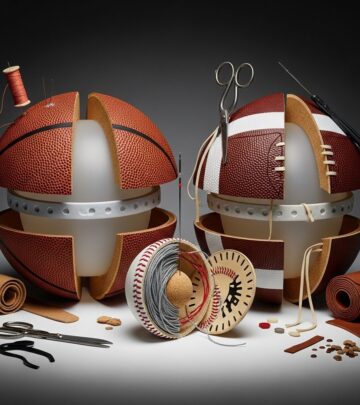
How Basketballs, Baseballs, and Footballs Are Made
Sports balls—basketballs, baseballs, and footballs—are everyday icons and marvels of material science and craftsmanship. Their production involves specialized knowledge, fine materials, and meticulous hand-assembly, all tailored to the rigorous standards of professional and recreational play. This guide explores each ball’s journey: from raw material selection through forming, covering, stitching, and quality assurance. Whether you’re a sports fan, an engineering enthusiast, or simply curious, discover what goes into the making of the gear that powers athletic legends.
Basketballs: Layers of Precision and Play
Core Materials and Construction
The modern basketball is built from three primary components:
- Rubber Bladder: This internal structure holds air and determines bounce, made primarily of butyl rubber for superior air retention and consistency.
- Carcass (Winding Layer): Surrounding the bladder, nylon or polyester fiber is wound tightly in layers to maintain shape and durability.
- Outer Cover: Premium balls use genuine leather, while recreational balls may employ synthetic or composite leather, offering grip and control.
Manufacturing Process
- Bladder Formation: Rubber is placed in a vulcanization mold and heated at 150-160°C to form the bladder. Butyl content is optimized for rebound and longevity. Air is added to manage shape and handling during assembly.
- Carcass Construction: Nylon or polyester thread is wound under tension over the bladder. This prevents deformation and gives the ball its spherical integrity.
- Cover Cutting and Embossing: Leather or synthetic sheets are cut into panels. For pro balls, leather is chrome-tanned and retanned for texture, then embossed to produce the pebble-grain finish critical for grip.
- Panel Assembly: Panels are glued and pressed onto the carcass. The seams are carefully aligned for aerodynamic and bounce consistency. Surface-dyeing ensures correct color and finish.
- Logo Stamping: Official logos and branding (like NBA marks) are heat-stamped onto the surface in the final step before inspection.
Quality Assurance
- Balls are inflated to precisely 8 psi. They must rebound to 52-56 inches when dropped from 72 inches, per NBA standards.
- Robotic testers and human inspectors check weight, roundness, bounce, and surface finish before shipment.
| Component | Material | Function |
|---|---|---|
| Bladder | Butyl rubber | Air retention and rebound control |
| Carcass/Winding layer | Nylon or polyester | Shape integrity |
| Outer Cover | Leather (pro), composite/synthetic (rec) | Tactile grip, durability, branding |
Baseballs: The Art of Stitching and Balance
Structure and Materials
Baseballs might look simple, but their precise construction drives game performance:
- Core: At its heart is a small, pill-shaped sphere made from cork and rubber, sometimes called the ‘pill’.
- Yarn Wrapping: Multiple layers of yarn (often wool and poly-cotton blends) are machine-wound firmly around the core for bulk and roundness.
- Leather Cover: Two figure-eight shaped panels of white leather enclose the yarn ball, forming the classic baseball look.
- Stitching: 108 double stitches using red waxed cotton thread hold the cover together, ensuring durability and visible seams for pitcher grip.
Manufacturing Steps
- Core Molding: Cork and rubber are pressed together, forming the pill. This core is precisely sized for official weight, bounce, and resilience.
- Yarn Winding: Fast machines spin thousands of yards of yarn onto the core, alternately layering materials to increase bulk and shape. Each winding is done under controlled tension for roundness and feel.
- Leather Panel Cutting: Panels are stamped into figure-eight shapes; leather is tanned and stretched for optimal thickness and softness.
- Hand Stitching: Craftsmen stitch the panels together with 108 double stitches, using waxed cotton thread. This task demands precision—stitch tension and spacing affect performance.
- Final Shaping: Balls are pressed to ensure spherical shape, then dried under heat to lock structure and finish.
- Quality Control: Each ball is weighed, measured, and checked for logo quality. Robotic testers apply pressure to test seam integrity and bounce. Only perfect balls are packed by the dozen and readied for shipment.
| Part | Material | Details |
|---|---|---|
| Core (Pill) | Cork and rubber | Molded for density and spring |
| Windings | Wool, poly-cotton yarn | Layered for bulk and shape |
| Cover | Leather panels | Figure-eight cut, tanned, stitched |
| Stitching | Red waxed thread | 108 double stitches, hand sewn |
Footballs: Tradition Meets Technology
Core Components
Football manufacturing blends heritage methods and precision engineering:
- Leather Shell: High-quality, chrome-tanned steer hide is used for professional balls. Panels are cut from the same hide for consistency and strength.
- Bladder: Butyl rubber provides airtight structure and bounce.
- Stitching and Laces: Heavy, braided polyester or poly thread is used for assembly. The iconic white laces are usually synthetic, built for grip and longevity.
Football Production Process
- Leather Preparation: Steer hides are tanned, graded, and cut into panels. Shiny foil designs (such as the NFL shield) are hot-stamped onto selected panels.
- Panel Cutting: Metal stencil cutters punch the football shape from the leather sheets.
- Stitching: Panels are sewn together inside out using strong brown poly thread on specialty sewing machines, hiding seams for better wear resistance.
- Turning: The stitched shell, still inside out, is steamed to soften it and then turned right side out by hand—a physically demanding job done hundreds of times per day.
- Lacing and Bladder Insertion: A butyl rubber bladder is inserted, and the ball is laced closed with white synthetic laces. Laces provide both grip for players and closure for the ball.
- Inflation and Quality Inspection: Footballs are inflated to a standard 13 psi. Teams and inspectors review the balls for perfection, sorting them by quality—top-tier go to professional leagues, mid-tier for practice, and others sent to retailers.
Handcraft and Factory Scale
- The Wilson factory in Ada, Ohio, produces up to 3,000 balls daily, with nearly all steps performed by hand across several days by a team of skilled workers, each specializing in different tasks.
- Each ball passes through cutters, stampers, stitchers, turners, lacers, molders, inspectors, and packagers before reaching the field.
| Process Step | Description |
|---|---|
| Leather Cutting | Punched from same hide, foil stamped |
| Panel Stitching | Machine sewn inside out for durability |
| Turning | Steamed and flipped right side out |
| Lacing | Rubber bladder inserted, white laces added |
| Inflation & Inspection | Inflated to 13 psi, sorted by quality tier |
Sustainability and Environmental Impact
Most professional sports balls use leather from steer hides—a byproduct of the meat industry—avoiding disposal waste. Manufactures are beginning to consider more sustainable tanning and dyeing processes, using vegetable-tanned leathers and minimizing toxic chemical use where possible. Synthetic alternatives such as composite leathers for basketballs and footballs are increasingly common in recreational equipment, reducing reliance on animal products.
- Many factories now incorporate recycling programs for scrap leather and textiles, and some brands are investigating biodegradable materials for ball covers.
- The energy used in stamping, molding, and pressing remains significant, with large-scale factories adopting efficiency measures to reduce carbon emissions and waste output.
Frequently Asked Questions (FAQs)
Q: What is the difference between professional and recreational sports balls?
A: Professional balls use genuine leather and are assembled to exact weight, size, and bounce standards. Recreational balls often use synthetic or composite materials for affordability and durability.
Q: Why are baseball stitches red?
A: Red thread provides maximum visibility to players and fans. It is also waxed for durability and smooth stitching.
Q: How long does it take to make a football?
A: The football-making process typically takes between three and five days, with roughly two dozen workers involved in various specialized tasks at factory scale.
Q: What materials are used in a basketball bladder?
A: Basketball bladders are typically made with a butyl rubber mix, chosen for air retention and rebound control.
Q: Are sports balls recyclable?
A: While parts like leather covers and rubber bladders are challenging to recycle at scale, some manufacturers are testing new eco-friendly materials and recycling programs for production scrap.
Conclusion
The making of basketballs, baseballs, and footballs combines material science, specialized engineering, and generations-old craftsmanship. Every detail—from the cork and yarn core of a baseball to the pebbled leather of an NBA basketball or the tightly stitched, laced contour of a football—is a product of careful design and intensive labor. As sustainability and technology advance, the sports industry continues to refine both how balls are made and the materials they use, striving for better performance and greener practices at every point from factory floor to playing field.
References
- http://www.designlife-cycle.com/wilson-football
- https://www.youtube.com/watch?v=mJEDjv_A_OM
- https://www.popularmechanics.com/about/a41794305/how-wilson-nba-balls-are-made/
- https://www.aol.com/leather-rubber-nylon-wilson-makes-222400017.html
- http://www.designlife-cycle.com/basketball
- https://digitalcommons.law.villanova.edu/cgi/viewcontent.cgi?article=1349&context=elj
Similar Articles








Read full bio of medha deb


