
Fun Facts About North America’s Coolest Critters
Discover remarkable facts and quirky behaviors of North America’s charismatic wildlife, from elusive bobcats to industrious raccoons.
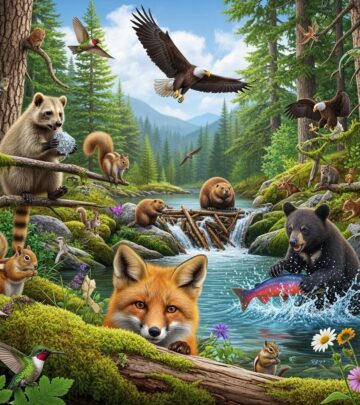
North America is home to a stunning variety of wildlife, each species boasting its own set of amazing adaptations and remarkable stories. From nimble predators to clever scavengers, these charismatic animals are not only vital parts of their ecosystems but also fascinating in their own right. Dive deeper as we explore some of the coolest and most beloved creatures, uncover quirky behaviors, and learn how conservation efforts are preserving their wild wonders for future generations.
The Bobcat: Stealthy Predator and Ecosystem Engineer
Bobcats (Lynx rufus) are true icons among North American carnivores. Recognizable by their yellowish to reddish-brown fur adorned with black spots and streaks, these cats possess long hind legs and a distinctive short, bobbed tail. Weighing up to 50 pounds, bobcats showcase impressive hunting skills and adaptability.
- Nocturnal & Diurnal: Unlike most felines, bobcats are active both at night and during the day, providing them with versatile hunting opportunities.
- Solitary Travelers: Bobcats typically travel 3-7 miles each night as they patrol their territories in search of prey.
- Tough Hides: Their hides are strong and resistant to age and wear, though their fur is less durable compared to other species.
As top predators and vital keystone species, bobcats help maintain the health and diversity of ecosystems. They regulate prey populations, manage disease, and their presence can prevent drastic ecological shifts. The loss of such predators, as seen with the gray wolf’s removal from Yellowstone, can trigger dramatic changes in habitat structure and species composition.
The American Alligator: A Master of Adaptation
The sturdy American Alligator (Alligator mississippiensis) is often mistaken for its close cousin, the crocodile. However, alligators are freshwater specialists, uniquely adapted to life in swamps, marshes, and slow-moving rivers. They cannot tolerate salt water for long periods because they lack salt glands, making their habitat selection distinct from saltwater-inclined crocodiles.
- Seasonal Dormancy: Unlike true hibernators, alligators enter a dormant state during cold spells, digging “gator holes” near water sources to rest and insulate themselves from temperature extremes.
- Self-Cooling: In extremely hot weather, these gator holes fill with mud, helping the reptiles cool down and conserve moisture.
Beyond their own survival strategies, alligators play an important ecosystem role by engineering water sources—these “gator holes” provide habitat for countless other animals during droughts, highlighting the alligator’s unique position as both predator and environmental engineer.
The Raccoon: Clever, Resourceful, and Adaptable
The raccoon (Procyon lotor) is renowned for its intelligence and dexterity. With their signature masked appearance and nimble paws, raccoons thrive in both urban and wilderness settings, displaying remarkable problem-solving abilities and adaptability.
- Expert Manipulators: Raccoons’ front paws contain more than 50 nerves, allowing them to deftly open containers, doors, and even solve puzzles.
- Omnivorous Diet: These opportunistic feeders eat fruits, nuts, insects, eggs, small vertebrates, and even human leftovers when living near people.
- Night Owls: Primarily nocturnal, raccoons use darkness to forage safely and exploit urban environments unseen.
Raccoons are adaptable survivors, capitalizing on almost any opportunity. Whether raiding suburban garbage cans or foraging woodland streams, their remarkable intelligence and resourcefulness keep them at the top of their game. Their role as scavengers also aids in waste management, inadvertently benefiting their ecosystems.
The Wolverine: Rugged Adventurer of the Wilderness
Wolverines (Gulo gulo) combine the toughness of a carnivore with the adaptability of a mustelid. Known as “skunk bears” to the Blackfeet Indians, these formidable creatures weigh less than 35 pounds yet are built for extreme conditions.
- Snowshoe Paws: Wide feet allow wolverines to traverse deep snow with ease, and their dense fur keeps them warm year-round.
- Incredible Range: Wolverines have been tracked traveling up to 500 miles in less than two months, sometimes moving 18 miles in a single night.
- Formidable Hunters: Capable of scavenging dead animals in winter and hunting live prey such as porcupines, hares, marmots, and ground squirrels in summer. Occasionally, wolverines may bring down large animals like caribou and moose in challenging snowy conditions.
Sadly, wolverine populations are dwindling in the continental United States, with estimates around 300 individuals in the lower 48 states. More common in Alaska and Canada, these elusive creatures are renowned for their resilience and wide-ranging habits.
| Attribute | Wolverine |
|---|---|
| Order | Carnivora |
| Family | Mustelidae |
| Genus and Species | Gulo gulo |
| Habitat | Rugged, remote alpine and boreal environments |
| Range | North Cascades, Rockies, Alaska, Canada |
| Diet | Dead animals in winter; live prey in summer |
The Hidden Cost of Fake Spiderwebs: Halloween Hazards for Wildlife
Halloween decorations such as fake spiderwebs might create a spooky ambiance for humans, but they pose genuine risks for wildlife. These synthetic webs can ensnare birds, small mammals, and even insects, which often struggle to break free. Unfortunately, many of these animals do not survive unless rescued promptly.
- Migratory Risk: Peak bird migration coincides with Halloween, increasing the chance that flying birds become entangled in decorations during their journey.
- Habitats At Risk: The fake webbing can trap not just birds but also chipmunks, bees, and even pollinators already facing population declines. Pollinators are crucial for ecosystem health and food supply, and added dangers like these decorations further imperil their survival.
Wildlife rehabilitation centers often receive an uptick in reports of animals ensnared in fake webs around Halloween. Conservationists strongly advise letting real spiders—and their natural webs—add ambiance, avoiding dangerous artificial decorations.
Frequently Asked Questions (FAQs)
Q: Why are bobcats considered keystone species?
A: Bobcats regulate prey populations, influence competition, and even aid in disease management, making them vital for ecosystem health and balance.
Q: How do alligators survive extreme temperatures?
A: Alligators dig insulated “gator holes” to keep warm in winter or cool in summer, entering a dormant state that isn’t true hibernation.
Q: What makes raccoons so intelligent?
A: Their highly sensitive front paws and resourceful behaviors enable them to solve complex problems and adapt to varied environments, including urban areas.
Q: Why are wolverine populations declining?
A: Habitat loss, climate change, and human disturbances have all contributed to the decrease in wolverine numbers, especially in the lower 48 states.
Q: How can I decorate for Halloween without harming wildlife?
A: Avoid fake spiderwebs and opt for natural decor. If you enjoy watching spiders, let real webs remain in your garden—they’re harmless and useful for controlling insect populations.
How You Can Help North America’s Critters
- Support conservation organizations that protect predators and their habitats through advocacy, funding, and education.
- Be mindful of holiday decorations, especially those that can entangle wildlife or harm pollinators.
- Maintain wildlife-friendly gardens by planting native plants, leaving some leaf litter, and minimizing pesticide use.
- Observe wildlife respectfully, avoiding approaches that could stress or harm animals.
- Share your knowledge with friends and family, encouraging positive attitudes toward protecting North America’s diverse animal life.
Conclusion: Celebrating the Coolest Critters
North America’s wild residents—including bobcats, alligators, raccoons, and wolverines—exhibit spectacular adaptations and play essential roles in their environments. By learning about and respecting each animal’s unique traits, we can enjoy their presence and ensure their survival for generations to come.
References
Similar Articles







Read full bio of Sneha Tete


