
Flowering Dogwood Care: Complete Guide to Growing & Identifying
Master the art of growing beautiful flowering dogwood trees with expert care tips and identification insights
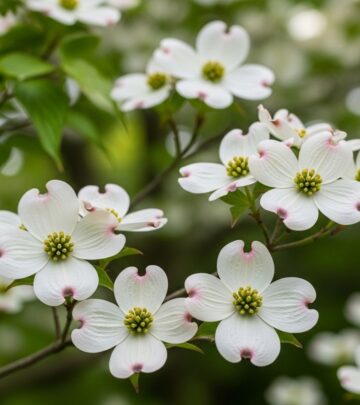
The flowering dogwood (Cornus florida) stands as one of North America’s most beloved ornamental trees, captivating gardeners and nature enthusiasts with its spectacular spring blooms and year-round visual appeal. This native deciduous tree offers homeowners a manageable size, stunning seasonal transformations, and significant ecological value, making it an ideal choice for residential landscapes, parks, and naturalized settings.
Understanding how to properly identify, plant, and maintain flowering dogwood trees ensures these magnificent specimens thrive in your garden for decades. From selecting the perfect planting location to protecting against common diseases, mastering flowering dogwood care requires knowledge of the tree’s specific needs and natural growing conditions.
Understanding the Flowering Dogwood Tree
The flowering dogwood is a small to medium-sized deciduous tree native to eastern North America, typically reaching heights between 15 and 30 feet at maturity. This woodland understory plant features a distinctive broad, rounded canopy with characteristic layered branching that creates an elegant horizontal structure, particularly noticeable during winter months when branches are bare.
What makes flowering dogwood truly exceptional is its stunning floral display each spring. The showy “flowers” that capture attention are actually modified leaves called bracts that surround the tree’s small, inconspicuous true flowers clustered at the center. These bracts appear in white, pink, or red variations, creating dramatic visual contrast against emerging green foliage. The flowering period typically lasts several weeks, attracting numerous pollinators including bees and butterflies to your garden.
The tree’s glossy, dark green leaves provide attractive summer foliage before transforming into vibrant shades of red and purple during autumn, extending the tree’s ornamental value beyond spring. In late summer and fall, flowering dogwood produces small reddish-purple berries that serve as an important food source for various bird species and wildlife, contributing to local ecosystem health.
Identifying Flowering Dogwood Features
Proper identification of flowering dogwood helps distinguish it from similar species and ensures you’re providing appropriate care. The tree exhibits several distinctive characteristics throughout the seasons that make identification straightforward once you know what to observe.
Bark and Branch Structure: Mature flowering dogwood develops a characteristic blocky, alligator-hide pattern on its bark that becomes more pronounced with age. The branching pattern creates distinct horizontal layers that give the tree its signature architectural form, especially visible during dormant seasons.
Leaf Characteristics: The leaves are simple, opposite, and oval-shaped with smooth edges and prominent veins that curve along the leaf margins. Each leaf typically measures 3 to 6 inches long with a pointed tip. During growing season, leaves display a glossy dark green upper surface with a lighter, slightly fuzzy underside.
Flower Bracts: The most recognizable feature appears in spring when four petal-like bracts surround the small cluster of true flowers. Each bract has a distinctive notched tip, creating the appearance of a four-petaled flower measuring 3 to 4 inches across.
Fruit and Seeds: By late summer, bright red berries appear in clusters where flowers once bloomed. These oval-shaped drupes measure approximately half an inch long and remain attractive through fall, often persisting until birds consume them.
Selecting the Perfect Planting Location
Successful flowering dogwood cultivation begins with choosing an appropriate site that mimics the tree’s natural woodland habitat. As an understory species, flowering dogwood has evolved to thrive in specific conditions that differ from many other ornamental trees.
Flowering dogwood grows best with some shade protection, particularly afternoon shade in hotter climates. While the tree can tolerate full sun in cooler regions, excessive sun exposure in warmer areas causes stress and increases susceptibility to diseases. Partial shade that provides dappled sunlight throughout the day or morning sun with afternoon protection creates ideal growing conditions.
The planting site should offer excellent drainage while retaining adequate moisture. Flowering dogwood cannot tolerate waterlogged soil or areas where water pools after rain. Avoid low-lying areas, compacted soils, and locations near downspouts or drainage outlets. Conversely, sites that become excessively dry during summer months will stress the tree and compromise its health.
Consider the mature size when selecting your location, ensuring at least 15 to 20 feet of clearance from structures, power lines, and other large trees. Flowering dogwood is shallow-rooted and does not compete well with aggressive turfgrass or other plants, so providing adequate space reduces competition and stress.
Additional factors to avoid include alkaline soils, sites exposed to road salt spray, areas with poor air circulation, and locations with excessive air pollution. These conditions create stress that predisposes flowering dogwood to various diseases and pest problems.
Soil Requirements and Preparation
Proper soil conditions are fundamental to flowering dogwood health and longevity. The ideal soil is a cool, acidic loam with pH between 5.5 and 6.6 that contains a high percentage of organic matter. This soil composition mimics the rich forest floor conditions where flowering dogwood naturally thrives.
While flowering dogwood prefers loamy soil, it can adapt to heavier clay soils or lighter sandy soils if drainage is adequate and other conditions are favorable. The key is ensuring the soil neither stays waterlogged nor dries out completely during growing season.
Before planting, test your soil pH and nutrient levels to determine if amendments are necessary. If soil is too alkaline (pH above 7.0), incorporate sulfur or aluminum sulfate to lower pH gradually. For nutrient-poor soils, work substantial amounts of compost, aged leaf mold, or well-rotted manure into the planting area to improve soil structure and provide slow-release nutrients.
Creating a planting bed several feet wider than the root ball helps young trees establish more quickly by providing an enriched root zone. Avoid amending only the planting hole, as this can create a “pot effect” where roots circle within the amended area rather than spreading into surrounding soil.
Planting Your Flowering Dogwood
Timing and technique significantly impact establishment success for flowering dogwood trees. Plant new trees during spring or fall when temperatures are moderate and rainfall is typically more abundant. Fall planting should occur at least four to six weeks before the first expected frost to allow some root establishment before winter.
Begin by digging a planting hole that is two to three times wider than the root ball but no deeper than the root ball height. The wide hole encourages lateral root growth while maintaining proper planting depth prevents problems with moisture and oxygen availability at the root zone.
Carefully remove the tree from its container and examine the roots. If roots are circling or pot-bound, gently tease them apart or make several vertical cuts through the root mass to encourage outward growth. Position the tree in the hole so the root collar (where roots meet trunk) sits level with or slightly above the surrounding soil surface. Planting too deeply is a common mistake that leads to stress, disease, and eventual decline.
Backfill the hole with the original soil, avoiding amendments in the planting hole itself. As you fill, gently firm soil around roots to eliminate air pockets while avoiding excessive compaction. Create a shallow basin around the tree to direct water toward the root zone, then water thoroughly to settle soil and ensure good root-to-soil contact.
Watering Requirements and Schedules
Proper watering is critical for flowering dogwood establishment and ongoing health, particularly during the first two years after planting. The tree’s shallow root system makes it especially vulnerable to drought stress but also susceptible to problems from overwatering.
During the first two growing seasons, monitor soil moisture weekly by checking 4 to 6 inches deep using a trowel or screwdriver. Water deeply whenever soil feels dry at this depth, providing enough water to moisten the entire root zone. Deep, infrequent watering encourages deeper root growth and creates more resilient trees than frequent shallow watering.
Water flowering dogwood trees regularly during the first two seasons after planting, then water only during periods of drought once established. Even mature trees may need supplemental irrigation during the drier months of July and August, especially when planted in sandy soils or sunny locations.
Apply water slowly to allow soil absorption rather than runoff. Drip irrigation, soaker hoses, or slow-running garden hoses work better than overhead sprinklers, which waste water through evaporation and can promote foliar diseases. Provide approximately 1 to 1.5 inches of water per week during active growth, either from rainfall or irrigation.
Avoid overwatering, which leads to root rot and creates favorable conditions for fungal diseases. Well-drained soil is essential because flowering dogwood cannot tolerate saturated conditions. If soil remains soggy 24 hours after watering, reduce frequency and improve drainage in the planting area.
Mulching for Optimal Growth
Applying proper mulch around flowering dogwood provides numerous benefits including moisture retention, temperature regulation, weed suppression, and protection from mechanical damage. Use 2 to 4 inches of organic wood chip mulch spread in a circle extending several feet from the trunk.
Organic mulches like shredded bark, wood chips, or aged leaf compost work best because they decompose gradually, adding organic matter and nutrients to the soil. As mulch breaks down, replenish it annually to maintain the recommended depth.
Keep mulch pulled back several inches from the trunk itself to prevent moisture accumulation against bark, which can lead to rot and create entry points for diseases and pests. The mulch ring should resemble a donut rather than a volcano, with no mulch touching the tree trunk.
Mulch helps keep soil cool during summer, which benefits flowering dogwood’s shallow root system that evolved under forest canopy protection. It also reduces soil compaction from foot traffic and lawn equipment, preventing damage to surface roots. The mulch barrier protects the trunk from lawn mower and string trimmer injuries that create wounds vulnerable to disease organisms.
Fertilization Guidelines
Flowering dogwood typically requires minimal fertilization, especially when planted in organically rich soil. Overfertilizing young trees can cause excessive vegetative growth at the expense of flowering and makes trees more susceptible to pest and disease problems.
The best approach is fertilizing only according to soil test results rather than following a regular fertilization schedule. Soil testing every 2 to 3 years reveals actual nutrient deficiencies and pH levels, allowing targeted amendments rather than guesswork.
A light application of general-purpose fertilizer in early spring may benefit trees growing in poor soils. However, better long-term care involves annual topdressing with organic matter such as compost, which adds nutrients naturally while improving soil structure, water retention, and beneficial microbial activity.
If fertilizer is necessary based on soil test recommendations, apply it in early spring before new growth begins. Spread fertilizer evenly over the root zone (extending well beyond the canopy drip line) and water thoroughly to move nutrients into the root zone. Avoid applying fertilizer after mid-summer, as late-season fertilization stimulates new growth that may not harden off properly before winter.
Pruning Techniques and Timing
Flowering dogwood requires minimal pruning compared to many ornamental trees, and excessive pruning can compromise the tree’s natural form and flowering potential. Routine heavy pruning is unnecessary and should be avoided.
Remove dead, diseased, or damaged branches at any time of year to prevent disease spread and improve tree health. Use clean, sharp pruning tools and sanitize blades between cuts with rubbing alcohol or a bleach solution to prevent transmitting diseases from infected to healthy wood.
Beyond removing problem branches, prune only to improve tree form, increase light and air circulation throughout the canopy, or remove crossing branches that rub against each other. The best time for structural pruning is late fall or early winter (November through December) when the tree is fully dormant, or immediately after flowering finishes in late spring.
Avoid pruning in early spring before flowers open, as you’ll remove flower buds that developed the previous summer. Similarly, avoid late summer and fall pruning (except for dead wood removal), as this can stimulate new growth vulnerable to winter damage.
When pruning, make cuts just outside the branch collar (the swollen area where branch meets trunk) without leaving stubs or cutting into the collar. Proper cuts heal faster and resist disease entry better than improper cuts. Never remove more than 25% of a tree’s canopy in a single year, as excessive pruning stresses the tree and reduces photosynthetic capacity.
Pest Management Strategies
While flowering dogwood is relatively hardy, several pests can cause problems, especially when trees are stressed or growing in less-than-ideal conditions. Regular monitoring allows early detection and intervention before pest populations cause serious damage.
Dogwood Borers: These clearwing moths lay eggs on dogwood bark, particularly near wounds or damaged areas. Larvae tunnel into the tree, creating galleries under the bark that disrupt nutrient and water transport. Prevent borer problems by avoiding trunk injuries from lawn equipment and maintaining tree vigor through proper care. Trunk wraps or guards protect young trees from mechanical damage.
Aphids: These small, soft-bodied insects cluster on new growth, sucking plant sap and secreting sticky honeydew that attracts sooty mold. Monitor for aphids in spring when new foliage emerges. Strong water sprays dislodge small populations, while insecticidal soap or horticultural oil controls larger infestations without harming beneficial insects.
Scale Insects: Various scale species attach to branches and twigs, appearing as small bumps. Heavy infestations weaken trees and cause branch dieback. Horticultural oil applied during dormant season smothers overwintering scales before they become active in spring.
When pest infestations occur, apply appropriate insecticides following label instructions carefully to avoid harming the tree or surrounding environment. Integrated pest management emphasizes cultural controls like proper watering and mulching to maintain tree health, making trees naturally more resistant to pest damage.
Disease Prevention and Management
Several diseases affect flowering dogwood, with some capable of causing serious decline or death. Prevention through proper site selection, planting, and care provides the most effective disease management strategy.
Dogwood Anthracnose: This devastating fungal disease causes leaf spots, twig dieback, and eventually tree death. The fungus thrives in cool, wet conditions and spreads rapidly in shaded, crowded plantings with poor air circulation. Plant dogwood in locations receiving adequate sunlight, as full sun helps prevent anthracnose. Ensure proper spacing between trees for good air circulation, and prune away infected branches promptly to prevent disease spread.
Powdery Mildew: This fungal disease creates white, powdery coating on leaves, particularly during humid conditions with poor air circulation. While usually not fatal, heavy infections cause premature leaf drop and stress trees. Improve air movement through selective pruning, avoid overhead watering, and apply fungicides if necessary for severe infections.
Spot Anthracnose: Different from dogwood anthracnose, this less serious fungal disease causes purple-bordered leaf spots. Good sanitation through removal of fallen leaves and infected branches reduces disease pressure for the following season.
Root Rot: Various fungal organisms cause root rot in poorly drained soils or overwatered conditions. Symptoms include yellowing leaves, wilting, and decline. Prevention through proper site selection and drainage is essential, as root rot is difficult to treat once established.
Select disease-resistant varieties when planting to minimize future problems. Maintain tree health through proper watering, mulching, and avoiding trunk injuries, as healthy trees resist disease better than stressed specimens. Apply fungicides preventively or at first disease signs following label directions.
Winter Care and Protection
While flowering dogwood is hardy in USDA zones 5 through 9, winter care helps trees withstand cold temperatures and prevents damage from harsh conditions. Trees tolerate cold well but struggle when winter temperatures regularly drop below -15 degrees Fahrenheit (-26 Celsius).
Apply mulch around the tree base in late fall to insulate roots from temperature fluctuations. The mulch layer moderates soil temperature, preventing rapid freeze-thaw cycles that can heave shallow roots out of the ground or damage root tissue.
Water dogwood trees deeply before the ground freezes to ensure adequate moisture throughout winter. Well-hydrated trees better withstand winter desiccation from cold winds and frozen soil that prevents water uptake.
Young trees or those in exposed locations benefit from windbreaks that protect against harsh winter winds. Burlap screens, snow fencing, or strategically placed evergreen boughs reduce wind exposure without completely enclosing the tree. Avoid wrapping the entire tree in plastic or non-breathable materials, which trap moisture and promote disease.
In regions with heavy snow loads, gently brush accumulated snow from branches before weight causes breakage. Never shake branches vigorously, as frozen wood is brittle and breaks easily. Allow ice to melt naturally rather than attempting removal, which typically causes more damage than the ice itself.
Growing Flowering Dogwood in Challenging Conditions
While flowering dogwood thrives in ideal woodland conditions, gardeners can successfully grow these trees in less-than-perfect situations with additional care and attention to detail. Understanding the tree’s stress tolerance helps set realistic expectations.
In full sun locations, flowering dogwood requires more frequent watering and benefits from extra mulch to keep roots cool. Afternoon shade becomes increasingly important in warmer climates where high temperatures and drought stress trees during summer. Consider planting near taller trees or structures that provide afternoon protection without creating deep shade.
Urban environments present challenges including compacted soil, air pollution, and limited root space. Improve planting sites with generous organic matter additions, provide consistent watering during establishment, and protect trees from road salt spray and mechanical damage.
In alkaline soil regions, growing flowering dogwood requires ongoing pH management through sulfur applications and organic matter additions. Container-grown trees in controlled potting mix may succeed where in-ground planting fails due to unsuitable native soil.
High summer heat and drought conditions stress flowering dogwood significantly. In hot climates, provide afternoon shade, water consistently during dry periods, and apply extra mulch to moderate soil temperature. Select heat-tolerant varieties bred for southern gardens when available.
Seasonal Beauty and Landscape Uses
Flowering dogwood offers four-season interest that enhances landscapes throughout the year. Understanding the tree’s seasonal progression helps gardeners appreciate its full ornamental value and plan complementary plantings.
Spring: The spectacular bloom period brings the tree’s peak display, with showy white, pink, or red bracts creating stunning focal points in the landscape. The flowering period typically lasts two to three weeks, overlapping with spring bulbs and other early bloomers for spectacular garden combinations.
Summer: Dense, glossy green foliage provides attractive backdrop for other plants and creates dappled shade beneath the canopy. The layered branching structure remains visible despite full foliage, maintaining architectural interest.
Fall: Leaves transform into brilliant shades of red and purple, rivaling maples and sweetgums for autumn color intensity. Bright red berries appear in clusters, adding additional color and attracting birds seeking food before migration or winter.
Winter: The distinctive horizontal branching pattern and blocky bark texture provide strong structural interest in the dormant landscape. Flower buds visible on branch tips promise spring’s return.
Flowering dogwood works well as specimen trees in lawns, foundation plantings near homes, understory trees in woodland gardens, or grouped in shrub borders. The manageable size suits smaller residential properties where large shade trees would overwhelm the space. Pair flowering dogwood with shade-loving perennials, ferns, and spring bulbs for naturalistic plantings.
Frequently Asked Questions
Q: How long does it take for a flowering dogwood to reach full size?
A: Flowering dogwood grows at a medium rate, typically reaching 15 to 30 feet over 20 to 25 years under optimal conditions. Growth rate varies based on site conditions, with trees in ideal locations growing faster than those in stressful environments.
Q: Can flowering dogwood grow in full shade?
A: While flowering dogwood tolerates partial shade, full shade typically results in poor flowering, sparse foliage, and weak growth. The tree evolved as an understory species receiving dappled sunlight, not deep shade. Provide at least several hours of sunlight daily for best performance.
Q: Why are my dogwood’s leaves turning brown at the edges?
A: Brown leaf edges typically indicate drought stress, particularly during hot, dry weather. Flowering dogwood has shallow roots that dry quickly. Increase watering frequency during dry periods, apply additional mulch to retain moisture, and ensure the tree has adequate soil moisture at 4 to 6 inches deep.
Q: When should I see flowers on my newly planted dogwood?
A: Young dogwood trees may not flower heavily for the first few years after planting as they focus energy on root establishment. Most trees begin flowering within 2 to 4 years after planting, with blooming improving as trees mature and become established.
Q: Are dogwood berries toxic to dogs or children?
A: Dogwood berries are generally considered mildly toxic if consumed in large quantities, potentially causing minor digestive upset. However, they taste bitter and unpleasant, so accidental ingestion by children or pets rarely causes serious problems. Birds and wildlife consume the berries safely.
Q: Can I transplant an established flowering dogwood?
A: Transplanting mature flowering dogwood is challenging due to the shallow, spreading root system that extends well beyond the canopy. Small trees under 10 feet may transplant successfully if done during dormancy with a large root ball. Larger trees rarely survive transplanting and should be left in place.
Q: What’s the best flowering dogwood variety for my landscape?
A: Variety selection depends on your climate, desired flower color, and disease resistance needs. White-flowering native species suits most situations, while pink varieties like ‘Rubra’ offer color variation. Disease-resistant hybrids between Cornus florida and Cornus kousa provide enhanced anthracnose resistance in challenging sites.
References
- https://www.atlantaarbor.com/blog/flowering-dogwood-care/
- https://www.gardeningknowhow.com/ornamental/trees/dogwood/caring-dogwood-trees.htm
- https://www.arborday.org/perspectives/dogwood-beautiful-tree-many-uses
- https://extension.umd.edu/resource/growing-flowering-dogwood-trees
- https://richardstreeservice.com/about/resources/10-tips-dogwood-tree-care.php
- https://www.masterclass.com/articles/dogwood-tree-guide
Similar Articles







Read full bio of Sneha Tete


