
Pelican Island: The Birthplace of U.S. Wildlife Conservation
Discover the Historic Significance of the First U.S. National Wildlife Refuge
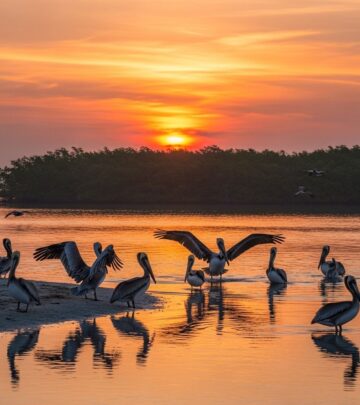
Introduction to Pelican Island National Wildlife Refuge
Pelican Island, located in Florida, holds a significant place in American environmental history as the first national wildlife refuge established in the United States. On March 14, 1903, President Theodore Roosevelt signed an executive order to create this refuge, marking a crucial step in the development of wildlife conservation in the U.S.
Background and Need for Conservation
In the early 20th century, many bird species faced severe threats due to plume hunting for the millinery trade. The brown pelican, in particular, was one of the species on the brink of extinction in Florida. By 1902, Pelican Island was the last remaining brown pelican rookery on Florida’s east coast. This alarming decline brought attention to the need for protective measures.
Key Figures in the Establishment of Pelican Island
Conservationists like Frank Chapman and William Dutcher played pivotal roles in drawing President Roosevelt’s attention to the plight of the pelicans. Their efforts led to a meeting with Roosevelt, who was moved by their pleas and decided to act.
The Establishment of Pelican Island
Pelican Island was designated as a federal bird reservation through Roosevelt’s executive order, marking the first time the federal government set aside land specifically for wildlife protection. This move laid the groundwork for what would become a comprehensive system of national wildlife refuges across the United States.
Paul Kroegel and the Early Years of Pelican Island
Paul Kroegel, a local farmer and bird enthusiast, was hired as the first refuge warden. Although he was paid a meager $1 per month by the Florida Audubon Society, Kroegel took his role seriously, using a sailboat and later a motorboat to patrol the area and protect the pelicans from hunters.
Evolution of the National Wildlife Refuge System
Following Pelican Island’s establishment, Roosevelt went on to create over 50 more wildlife refuges during his presidency. The system expanded significantly over the decades, with legislation such as the Migratory Bird Treaty Act and the creation of additional refuges like the National Bison Range contributing to its growth.
Impact and Challenges
Today, the National Wildlife Refuge System protects well over 150 million acres of land and water, providing vital habitats for countless species. However, the system faces ongoing challenges, including land use conflicts, ecosystem management, and public perception issues.
Conclusion
Pelican Island’s establishment as the first U.S. National Wildlife Refuge marked a pivotal moment in American conservation history. It set a precedent for federal involvement in wildlife protection, paving the way for a comprehensive system that continues to evolve and adapt to meet the needs of diverse wildlife and habitats.
Frequently Asked Questions (FAQs)
Q: What is the significance of Pelican Island in U.S. conservation history?
Pelican Island is significant because it was the first national wildlife refuge established in the United States, marking the beginning of federal involvement in wildlife conservation.
Q: Who was instrumental in establishing Pelican Island as a refuge?
President Theodore Roosevelt, along with conservationists like Frank Chapman and William Dutcher, played key roles in the establishment of Pelican Island.
Q: How has the National Wildlife Refuge System evolved over time?
The system has expanded significantly since its inception, now protecting millions of acres across the U.S. and facing new challenges in land use, ecosystem management, and public engagement.
References
- https://www.ebsco.com/research-starters/history/first-us-national-wildlife-refuge-established
- https://npshistory.com/brochures/nwr/pelican-island-story.pdf
- https://www.fws.gov/refuge/pelican-island/about-us
- https://en.wikipedia.org/wiki/History_of_the_National_Wildlife_Refuge_System
- https://www.earthobservatory.nasa.gov/images/147851/americas-first-national-wildlife-refuge
- https://floridabirdingtrail.com/site/pelican-island-national-wildlife-refuge/
- https://marineprotectedareas.noaa.gov/aboutmpas/stories/pelicanisland.html
- https://www.bigoaksconservationsociety.org/single-post/history-of-wildlife-refuges
Similar Articles




Read full bio of medha deb


