
Environmental Consequences of California Drought: A 2025 Perspective
Examining the far-reaching impacts of California's worsening drought on ecosystems, agriculture, and society in 2025

Introduction
The environmental consequences of California’s drought have become increasingly severe and multifaceted as the state faces another year of dry conditions in 2025. Following several years of dramatic swings between heavy rains and record-breaking heat, California’s ecosystems, agriculture, and urban water supplies are under unprecedented stress. This article examines the current state of the drought, its environmental and societal impacts, and how Californians are adapting to a future defined by water scarcity.
Current State of the California Drought in 2025
California’s drought is not a uniform event; rather, it is a patchwork of regional conditions shaped by precipitation, snowpack, and temperature. Despite some late 2024 storms in Northern California, statewide precipitation for January 2025 was below average, especially in Southern California. While February brought brief relief, snowpack—supplying about 30% of the state’s water—remains below normal in the Sierra Nevada mountains, making recovery short-lived.
By April 2025, about 44% of the California-Nevada region was experiencing drought, with the most severe conditions (Extreme to Exceptional Drought) concentrated in southern regions. Northern California has seen drought expand more recently, though reservoirs remain near or above historical averages for now. The situation is exacerbated by high evaporative demand and above-normal temperatures, which accelerate snowmelt, dry soils, and increase wildfire risk.
Impacts on Water Resources
California’s increasingly unreliable water supply has far-reaching consequences for both humans and ecosystems.
Surface Water Depletion
With rivers, lakes, and streams running low, farmers and cities are forced to rely more heavily on groundwater. During dry years, up to 60% of the state’s water supply comes from groundwater, creating a cycle of overuse and depletion. Surface water shortages have led to federal irrigation water deliveries being curtailed and junior water rights being cut off.
Reservoirs and Snowpack
| Reservoir | Status (2025) | Trend |
|---|---|---|
| California Major Reservoirs | Near or above historical average | Stable for now, but vulnerable to persistent drought |
| Sierra Nevada Snowpack | Below average | Declining, with rapid melt expected due to high temperatures |
Groundwater Overdraft
As reliance on groundwater increases, aquifers are being depleted faster than they can recharge. This leads to subsidence (sinking land), loss of groundwater storage capacity, and threats to both drinking water supplies and agricultural sustainability.
Environmental and Ecological Consequences
The drought’s impact on California’s environment is profound, affecting everything from soil health to wildlife populations.
Soil Degradation and Anaerobic Conditions
Ironically, even during drought, some areas experience anaerobic (oxygen-depleted) soil conditions, especially in compacted or poorly drained zones. These conditions, often worsened by over-irrigation in desperate attempts to save crops, can reduce yields by up to 40% and threaten long-term soil sustainability. Over 1.2 million acres in California may face such stress in 2025, disrupting nutrient cycling and soil biology.
Wildfires
Drought dries out vegetation, turning forests, grasslands, and shrubs into tinder. The 2025 fire season has seen above-average wildfire activity, with significant blazes like the Mount Irish, Hot Canyon, and Gifford fires exhibiting extreme behavior. While occasional rains may temporarily reduce fire risk, the overall trend is toward more frequent, larger, and more intense wildfires, driven by rising temperatures, dry Santa Ana winds, and human factors.
Wildlife and Biodiversity Loss
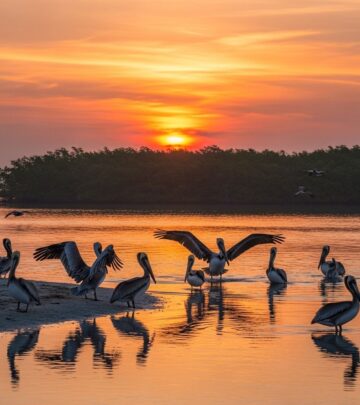
- Many native species, including salmon and migratory birds, depend on wetlands and rivers that are shrinking or disappearing.
- Endangered species face heightened risk as habitats dry out and food sources become scarce.
- Drought forces wildlife into urban areas in search of water, increasing human-wildlife conflicts.
Water Quality Decline
Lower water levels lead to higher concentrations of pollutants, harmful algal blooms, and increased salinity in remaining water bodies, threatening both aquatic life and human health.
Agricultural Impacts
Agriculture, a cornerstone of California’s economy, is particularly vulnerable to drought.
Crop Losses and Fallowed Land
Reduced water allocations force farmers to fallow fields, switch to less water-intensive crops, or rely on expensive groundwater. Tree crops like almonds and citrus, which require consistent irrigation, are especially at risk. As anaerobic soil conditions spread, crop yields could drop significantly—by as much as 40% in some areas.
Economic Ripple Effects
Lower yields translate to higher food prices, lost jobs, and reduced economic activity in rural communities. The state’s agricultural sector, which supplies a large portion of the nation’s fruits, nuts, and vegetables, is experiencing increasing volatility.
Urban and Societal Consequences
Water Shortages and Restrictions
Cities and towns face mandatory water restrictions, higher water rates, and public awareness campaigns to reduce consumption. In some areas, “water cops” monitor compliance, and fines are imposed for wasteful use.
Public Health Concerns
Drought exacerbates respiratory problems due to dust and wildfire smoke, increases heat-related illnesses, and can compromise drinking water quality. Low-income communities, often lacking green spaces and efficient cooling, are disproportionately affected.
Energy Production
Hydropower, a significant source of renewable energy in California, becomes less reliable during drought, forcing increased reliance on fossil fuels and raising greenhouse gas emissions.
Climate Change and the Future of Drought in California
Climate models project that California will experience more frequent and intense droughts punctuated by extreme wet periods. This “climate whiplash” means the state must prepare for both water scarcity and catastrophic floods, as seen in recent years.
Borealization of Southern California
Some researchers suggest that Southern California’s climate may become more like a desert, with native species struggling to adapt and invasive species gaining ground.
Adaptation and Solutions
Water Conservation and Efficiency
California has implemented aggressive water conservation measures, including incentives for low-water landscaping, water-efficient appliances, and leak detection programs.
Alternate Water Sources
Investments in water recycling, desalination, and stormwater capture are increasing, though each comes with economic and environmental trade-offs.
Sustainable Agriculture
- Precision irrigation and soil health management can reduce water use and combat soil degradation.
- Remote sensing and data platforms like Farmonaut help farmers monitor soil moisture and crop health, enabling more resilient practices.
Wildfire Prevention and Management
- Fuel management, prescribed burns, and community defensible space programs are critical to reducing wildfire risk.
- Early warning systems and evacuation planning save lives during extreme fire events.
Policy and Governance
State and federal agencies are advancing policies for water conservation, quality, and climate resilience. The Sustainable Groundwater Management Act (SGMA) aims to bring overdrafted aquifers into balance, though implementation is slow and politically challenging.
Frequently Asked Questions
What causes California’s recurring droughts?
California’s droughts are driven by natural climate variability, but are becoming more frequent and intense due to global warming. Shifts in atmospheric circulation, reduced snowpack, and higher temperatures all contribute to prolonged dry spells.
How long will the current drought last?
There is no clear end in sight. While short-term relief may come from atmospheric rivers or late-season storms, the long-term trend is toward more frequent, severe droughts due to climate change.
What is being done to address water shortages?
California employs water conservation mandates, groundwater management, water recycling, and investments in new infrastructure to address shortages. However, these measures are often insufficient during the most severe droughts.
How do wildfires relate to drought?
Drought dries out vegetation, creating fuel for wildfires. Higher temperatures and changing weather patterns exacerbate fire risk, leading to longer, more destructive fire seasons.
What can individuals do to help?
Reduce personal water use, support sustainable agriculture, advocate for climate action, and prepare for emergencies such as water shortages and wildfires.
Conclusion
California’s persistent drought is a complex crisis with environmental, economic, and social dimensions. The state’s ecosystems, agriculture, and communities are all under strain as water becomes scarcer and temperatures rise. While adaptation and policy responses are underway, the scale of the challenge demands sustained, coordinated action at all levels of society. The lessons learned in California have relevance far beyond its borders, as droughts become more common in a warming world.
References
- https://farmonaut.com/usa/anaerobic-conditions-in-soil-impact-on-california-drought-2025
- https://www.globalelr.com/2025/03/the-state-of-california-water-in-2025/
- https://www.drought.gov/drought-status-updates/drought-status-update-california-nevada-2025-04-10
- https://www.drought.gov/drought-status-updates/drought-status-update-california-nevada-2025-08-05
- https://cleanwater.org/campaign/climate-change-drought-and-groundwater-access-california
- https://www.ncei.noaa.gov/news/us-drought-monthly-report-September-2025
- https://droughtmonitor.unl.edu/CurrentMap/StateDroughtMonitor.aspx?CA
- https://climateresilience.ca.gov/overview/impacts.html
- https://www.climateimpactstracker.com/california-fires/
Similar Articles







Read full bio of Sneha Tete


