
Biogas & DIY Anaerobic Digester: Complete Guide
Transform organic waste into renewable energy with your own homemade biogas system
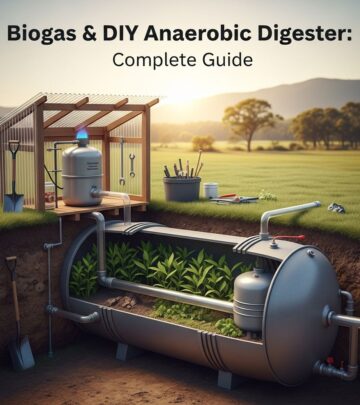
Biogas represents one of the most accessible forms of renewable energy available to homeowners and small-scale farmers. By harnessing the natural process of anaerobic digestion, you can transform everyday organic waste into a valuable energy source while simultaneously producing nutrient-rich fertilizer. This comprehensive guide will walk you through everything you need to know about biogas and how to construct your own DIY anaerobic digester system.
Understanding Biogas and Anaerobic Digestion
Biogas is a renewable fuel produced when organic matter decomposes in an oxygen-free environment through a process called anaerobic digestion. This natural biological process occurs when bacteria break down organic materials such as food scraps, animal manure, crop residues, and other biodegradable waste in the absence of oxygen. The result is a methane-rich gas mixture that can be used for cooking, heating, or even generating electricity.
The anaerobic digestion process involves several stages of bacterial activity. Initially, complex organic compounds are broken down into simpler molecules through hydrolysis. These simpler compounds are then converted into organic acids by acidogenic bacteria. Acetogenic bacteria further process these acids into acetate, hydrogen, and carbon dioxide. Finally, methanogenic bacteria convert these products into methane and carbon dioxide, which together form biogas. The typical composition of biogas includes approximately 50-75% methane, 25-50% carbon dioxide, and trace amounts of other gases such as hydrogen sulfide and water vapor.
An anaerobic digester is essentially a sealed container that provides the ideal conditions for these bacteria to thrive and produce biogas efficiently. The system maintains an oxygen-free environment, appropriate temperature ranges, proper pH levels, and adequate moisture content to optimize bacterial activity and maximize gas production.
Benefits of Building Your Own Biogas System
Constructing a DIY anaerobic digester offers numerous advantages that extend beyond simple waste management. Environmental benefits include significant reduction in greenhouse gas emissions, as organic waste that would otherwise decompose in landfills and release methane directly into the atmosphere is instead captured and utilized productively. This controlled process prevents the uncontrolled release of methane, a greenhouse gas approximately 25 times more potent than carbon dioxide over a 100-year period.
From an economic perspective, a home biogas system can substantially reduce household energy costs by providing free fuel for cooking and heating applications. The digestate produced as a byproduct serves as an excellent organic fertilizer, eliminating the need to purchase commercial fertilizers while improving soil health and structure. Over time, the investment in building a biogas digester pays for itself through reduced energy bills and fertilizer expenses.
Practical advantages include effective waste management, particularly for households with gardens, small farms, or regular access to organic waste materials. The system provides energy independence and resilience, particularly valuable in areas with unreliable energy infrastructure or during emergencies. Additionally, operating a biogas system offers educational opportunities, teaching valuable lessons about renewable energy, microbiology, and sustainable living practices.
Essential Components of a DIY Biogas Digester
Building an effective anaerobic digester requires several key components working together harmoniously. Understanding each element’s role ensures successful construction and operation of your biogas system.
The digester tank serves as the heart of the system, providing a sealed, oxygen-free environment where anaerobic digestion occurs. This container must withstand internal pressure while preventing oxygen infiltration. For DIY projects, food-grade plastic barrels, specifically high-density polyethylene (HDPE) containers, work exceptionally well. A minimum capacity of 700 liters (185 gallons) is recommended for household applications, though smaller experimental systems can be built with 30-55 gallon drums for learning purposes.
The feeding system consists of an inlet pipe or opening that allows introduction of organic feedstock into the digester. A typical feeding tube uses 2-3 inch diameter PVC pipe, approximately 100 mm (3 feet) long, extending into the digester to ensure material spreads throughout the container. The inlet should include a removable cap or plug for easy access during feeding operations. Some designs incorporate a funnel attachment to facilitate cleaner, more efficient feeding.
A gas collection and storage system captures and stores the produced biogas for later use. This typically involves a gas outlet pipe connected to the digester’s top, leading to either a gas holder or directly to end-use appliances. The gas holder can be constructed using the inverted drum method, where a smaller drum floats upside-down inside a larger water-filled container, rising as biogas accumulates underneath. Gas valves, pressure gauges, and appropriate tubing ensure safe gas transport and utilization.
The digestate outlet system allows removal of processed material (digestate) from the digester. This typically consists of a drain valve or overflow pipe positioned to maintain appropriate liquid levels while permitting digestate extraction. The outlet should be located opposite the inlet to encourage flow-through operation and prevent short-circuiting of fresh material directly to the outlet.
Additional components enhancing system performance include stirring mechanisms to prevent settling and scum formation, temperature control systems for maintaining optimal bacterial activity in colder climates, and monitoring instruments such as pressure gauges, temperature sensors, and pH meters for tracking system performance and troubleshooting issues.
Materials and Tools Required
Before beginning construction, gather all necessary materials and tools to ensure a smooth building process. The primary container options include food-grade HDPE plastic barrels with removable lids, available in various sizes from 30 to 200 gallons. For a basic household system, one digester barrel with a lid and two additional drums for the gas collector are typically required.
Plumbing materials include PVC pipes in various diameters (typically 1/2 inch, 3/4 inch, and 2-3 inches), PVC elbows and T-fittings, threaded adapters and couplers, tank connectors with washers and nuts, ball valves for drainage and gas control, and flexible tubing for gas transport. Sealing materials are crucial for maintaining the anaerobic environment, including two-part epoxy clay, clear silicone sealant, PVC cement, plumber’s tape (PTFE tape), and rubber gaskets or washers.
Tools needed for construction include a drill with hole saw attachments in various sizes (1/2 inch, 1.25 inches, 2 inches), adjustable wrenches, pipe cutters or hacksaws, measuring tape and marking tools, safety equipment including gloves and eye protection, and mixing containers for epoxy preparation.
Step-by-Step Construction Guide
Preparing the Digester Container
Begin by thoroughly cleaning your chosen containers, removing any residual contents or labels. The digester barrel requires several precisely drilled holes for various components. Mark drilling locations carefully, considering the barrel’s shape and ensuring proper spacing between openings. The lid requires four holes: a 2-inch diameter hole for the slurry inlet, a 1.25-inch hole for the overflow outlet, and two 1/2-inch holes for gas outlets and monitoring ports.
The barrel body needs three additional 1/2-inch holes positioned strategically: one slightly below the lid level, one at mid-height, and one near the bottom serving as a drainage port. Use appropriate hole saw attachments matching each dimension, drilling carefully to create clean, smooth openings. Deburr edges with sandpaper to ensure proper sealing and prevent damage to rubber gaskets.
Installing the Inlet Feed Tube
The inlet feed tube allows introduction of organic material into the digester. Measure the internal depth of your digester barrel to determine appropriate PVC pipe length. The feed tube should extend into the digester far enough to keep the opening submerged during operation but not so deep that it interferes with settled solids at the bottom. Typically, extending 12-18 inches into the container works well.
Cut 2-inch PVC pipe to the calculated length and attach a coupler to the top end. Insert a threaded tank connector through the drilled hole in the lid, positioning one washer on the exterior side and the other inside. Apply two-part epoxy clay around the tank connector on the lid’s exterior surface, molding it evenly to create an airtight seal. Allow the epoxy to cure completely according to manufacturer instructions. Once hardened, thread a PVC threaded adapter into the tank connector, then cement this adapter into the PVC coupler attached to your feed tube. Add a threaded plug cap for easy removal during feeding operations.
Adding Drainage and Overflow Systems
The overflow outlet maintains proper liquid levels within the digester while allowing digestate removal. Install a tank connector in the 1.25-inch hole drilled in the lid, following the same epoxy sealing procedure used for the inlet. Attach appropriate PVC fittings to create an overflow tube that extends to your desired liquid level inside the digester. This tube can drain into a separate collection container for digestate storage and curing.
Install a ball valve in one of the lower holes drilled in the barrel body to provide a drainage option for maintenance and digestate harvesting. Ensure this valve is easily accessible and operates smoothly. Apply silicone sealant around all penetrations on the barrel body, as PVC cement does not bond effectively to HDPE plastic.
Creating the Gas Collection System
Install tank connectors in the 1/2-inch gas outlet holes, sealing them thoroughly with epoxy clay and silicone. Attach 3/4-inch PVC pipes to these outlets, incorporating ball valves for gas flow control. These outlets connect to your gas storage system, which can be constructed using the floating drum method.
For the gas collector, remove the tops from both a 30-gallon and 55-gallon drum using a reciprocating saw or large hole saw. Drill a hole near the bottom of the 30-gallon drum and install a gas inlet pipe using a tank connector and epoxy sealant. This pipe should extend upward from the bottom, incorporating several 90-degree elbows to create a path for biogas to bubble up through water, providing natural gas scrubbing and pressure regulation.
Add guide poles or stabilizing mechanisms to prevent the inverted drum from wobbling as it rises with gas accumulation. This can be achieved by attaching T-fittings to the gas inlet pipe at intervals, then securing the drum to these fittings using plastic-coated wire loops and zip-ties. Install a drain valve near the bottom of the 55-gallon outer drum for water level maintenance.
Final Assembly and Connections
Once all components are installed and sealants have fully cured, perform a preliminary pressure test before filling with organic material. Seal all openings except one gas outlet, then gently blow air into the digester while applying soapy water to all joints and seals. Bubbles indicate leaks requiring additional sealing. Address all leaks before proceeding to operational testing.
Connect gas lines from the digester to the collector using flexible tubing appropriate for biogas applications. Install pressure gauges at strategic points to monitor system pressure. Add a gas filter or scrubber containing iron oxide or activated carbon to remove hydrogen sulfide and moisture from biogas before use in appliances.
Operating Your DIY Biogas Digester
Initial Startup and Inoculation
Starting your anaerobic digester requires establishing a healthy population of methane-producing bacteria. The most effective approach involves obtaining inoculum from an active digester or using fresh cattle manure, which naturally contains the necessary bacterial consortia. Mix the inoculum with water at a ratio of approximately 1:1 to achieve a slurry consistency similar to thick soup.
Fill your digester approximately 75% full with this initial mixture, leaving headspace for gas accumulation. During the first 2-4 weeks, bacterial populations will establish and adapt to the new environment. Initially, biogas production will be minimal and may contain high carbon dioxide content. As methanogenic bacteria become established, methane content increases, and production rates improve.
Feeding and Maintenance
Once established, feed your digester regularly with appropriate organic materials. Suitable feedstocks include kitchen scraps (fruits, vegetables, cooked food remnants), animal manure, grass clippings, and other biodegradable materials. Avoid feeding materials that inhibit bacterial activity, such as citrus peels in large quantities, oils and fats, meat and dairy products (which can cause odor issues), antibiotics, cleaning chemicals, or diseased plant material.
Chop or grind feedstock into small pieces to increase surface area and accelerate digestion. A typical feeding schedule involves daily additions of material in quantities appropriate to your digester size—generally 5-10% of total volume daily for continuous operation. Maintain consistent feeding patterns to keep bacterial populations stable and productive.
Monitor liquid levels through the overflow outlet, ensuring the digester maintains approximately 75-85% fullness. Check gas pressure regularly using installed gauges, and drain condensate from gas lines periodically. Every few months, remove digestate through the drainage valve to prevent excessive solids accumulation, using this material as fertilizer for gardens and landscaping.
Optimizing Gas Production
Several factors influence biogas production rates and methane content. Temperature significantly impacts bacterial activity, with mesophilic bacteria operating optimally between 77-104°F (25-40°C) and thermophilic bacteria preferring 122-140°F (50-60°C). In cold climates, consider insulating your digester or incorporating heating elements to maintain productive temperatures.
Maintaining proper pH levels between 6.8 and 7.4 ensures optimal bacterial metabolism. If pH drops below 6.5, reduce feeding rates and add alkaline materials like limestone or wood ash in small quantities. Regular mixing or stirring prevents stratification and scum formation, though many simple digesters operate successfully with passive mixing from feeding operations and gas production.
The carbon-to-nitrogen (C:N) ratio of feedstock affects digestion efficiency, with ideal ratios ranging from 20:1 to 30:1. Kitchen waste typically has a C:N ratio of 15:1, while straw has approximately 80:1. Mixing different feedstocks achieves balanced ratios optimizing bacterial nutrition and gas production.
Safety Considerations and Best Practices
Operating a biogas system requires attention to safety protocols protecting both people and property. Biogas is flammable and potentially explosive when mixed with air in concentrations between 5-15%. Never smoke or create sparks near biogas equipment, ensure adequate ventilation in enclosed spaces where biogas is used, install flame arrestors in gas lines to prevent flashback, and regularly inspect all connections and seals for leaks using soapy water.
Biogas contains hydrogen sulfide, a toxic gas with a characteristic rotten egg odor. While the concentration in biogas is typically low, prolonged exposure can cause health issues. Ensure proper ventilation when working with biogas systems, consider installing hydrogen sulfide scrubbers using iron oxide or activated carbon, never enter empty digesters without proper confined space entry procedures including air monitoring and safety harnesses, and seek immediate medical attention if experiencing symptoms of hydrogen sulfide exposure such as headache, dizziness, or respiratory irritation.
From a structural safety perspective, ensure digesters are placed on stable, level ground away from buildings and ignition sources. Secure floating gas holders to prevent tipping, install pressure relief valves to prevent over-pressurization, and use only materials rated for biogas applications in all gas-handling components.
Troubleshooting Common Issues
Even well-constructed digesters occasionally experience operational challenges. Low gas production can result from several factors including cold temperatures slowing bacterial metabolism, overfeeding causing acid accumulation and pH drops, inappropriate feedstock lacking sufficient nutrients or containing inhibitory substances, or insufficient bacterial populations requiring additional inoculation. Address these issues by adjusting feeding rates, adding alkaline materials to correct pH, improving insulation or heating, and ensuring feedstock diversity.
If biogas produces weak flames or won’t burn, the methane content may be too low due to young digester age (wait for maturation), leaks allowing air infiltration (locate and seal all leaks), or high carbon dioxide content from feedstock imbalances. Verify all seals are intact, test gas composition if possible, and adjust feedstock mixture to optimize C:N ratios.
Foul odors around the digester indicate potential problems. Normal biogas has a characteristic smell, but strong, offensive odors suggest issues such as leaking gas lines or fittings, digester overfeeding causing anaerobic conditions to fail, or inappropriate feedstock like excess meat or dairy creating putrefaction rather than proper digestion. Identify and repair leaks immediately, reduce feeding rates, and remove problematic feedstocks.
Excessive foaming sometimes occurs, particularly with protein-rich feedstocks or rapid feeding rate increases. Reduce feeding quantities temporarily, avoid adding materials known to cause foaming such as dairy products, and consider adding small amounts of vegetable oil to break surface tension if foaming becomes problematic.
Utilizing Biogas and Digestate
The biogas produced by your digester can power various applications. For cooking purposes, biogas burns similarly to propane or natural gas, though burners may require minor adjustments to air-fuel ratios for optimal performance. Specialized biogas cookstoves are available, or standard gas appliances can be modified with appropriate orifice adjustments and flame arrestors for safety.
Heating applications include water heaters, space heaters, and greenhouse heating systems. Ensure adequate ventilation when burning biogas indoors, as combustion produces carbon dioxide and water vapor. Never use biogas in unvented indoor applications without proper safety equipment and monitoring.
For electricity generation, biogas can fuel modified gasoline generators or purpose-built biogas generators. This application requires gas cleaning and pressure regulation to protect engine components from corrosive compounds and ensure consistent fuel delivery.
The digestate byproduct serves as excellent organic fertilizer rich in plant-available nitrogen, phosphorus, and potassium. Unlike raw manure or compost, digestate has reduced pathogen levels due to the anaerobic digestion process. Allow digestate to cure for several weeks after removal from the digester, then apply to gardens, lawns, or agricultural fields. The liquid portion can be diluted and used as foliar spray or soil drench, while solid portions work well as soil amendments and mulches.
Frequently Asked Questions
Q: How much biogas can a home digester produce?
A: Production varies based on digester size, feedstock type, and operating conditions. A 200-gallon household digester fed with 5-10 pounds of organic waste daily typically produces 1-3 cubic feet of biogas per day, enough for 1-2 hours of cooking on a single burner. Larger systems or those fed high-quality feedstock like animal manure produce proportionally more gas.
Q: What temperature range is best for biogas production?
A: Mesophilic bacteria, most common in home digesters, work best between 77-104°F (25-40°C). Below 60°F (15°C), production drops significantly. In cold climates, insulating the digester or incorporating passive solar heating maintains productive temperatures. Some advanced systems use thermophilic bacteria operating at 122-140°F (50-60°C) for faster digestion, though these require active heating.
Q: Can I use biogas for my standard gas stove?
A: Yes, with modifications. Biogas has lower energy content than natural gas or propane, requiring larger orifices in burners for proper fuel-air mixing. Install appropriate pressure regulators and flame arrestors before connecting biogas to any appliance. Many users prefer dedicated biogas cookstoves designed specifically for this fuel type, ensuring optimal performance and safety.
Q: How long does it take for a new digester to start producing usable biogas?
A: Initial startup takes 2-4 weeks as bacterial populations establish and adapt. During this period, gas production is minimal and methane content low. After establishment, production increases steadily, reaching optimal levels within 6-8 weeks. Patience during startup is essential—resist the temptation to overfeed in attempts to accelerate the process, as this often causes pH problems and delays establishment.
Q: What shouldn’t go into a biogas digester?
A: Avoid materials that inhibit bacterial activity or cause operational problems including large amounts of citrus peels (contains limonene toxic to bacteria), excessive oils and fats (causes blockages), meat and dairy in large quantities (creates odor issues), antibiotics or medications (kills beneficial bacteria), cleaning chemicals and pesticides, diseased plant material, and non-biodegradable materials like plastics or metals. Focus on vegetable scraps, grass clippings, and animal manure for best results.
Q: Is digestate safe to use as fertilizer?
A: Yes, digestate is generally safer than raw manure or uncomposted organic waste. The anaerobic digestion process reduces pathogen levels and weed seed viability while concentrating nutrients in plant-available forms. Allow digestate to cure for 2-4 weeks after removal from the digester before application. Avoid using digestate from systems processing human waste or materials contaminated with heavy metals or persistent chemicals on food crops without proper testing and treatment.
Q: How much does it cost to build a DIY biogas digester?
A: A basic household system using recycled barrels and standard plumbing components costs $100-300 in materials. Larger or more sophisticated systems with heating elements, automated controls, and professional-grade components can cost $500-2,000 or more. However, even simple systems provide excellent return on investment through reduced energy costs and eliminated fertilizer purchases, typically paying for themselves within 1-3 years of operation.
Building a DIY anaerobic digester offers practical, environmental, and educational benefits while contributing to energy independence and sustainable living. By following proper construction techniques, maintaining appropriate operating conditions, and observing safety protocols, you can successfully transform organic waste into valuable renewable energy and fertilizer. Start small if you’re new to biogas technology, learn from experience, and gradually expand your system as you become more comfortable with the process. The journey toward energy self-sufficiency begins with a single step—or in this case, a single barrel and the determination to make it work.
References
- https://www.youtube.com/watch?v=La6yXYwVq3A
- https://www.instructables.com/Biogas-Digester/
- https://www.homebiogas.com/blog/how-to-make-biogas-at-home/
- https://attra.ncat.org/publication/micro-scale-biogas-production-a-beginners-guide/
- https://www.epa.gov/sites/default/files/2020-11/documents/agstar-operator-guidebook.pdf
- https://energypedia.info/images/1/1e/Step_by_Step_Guide_to_Construct_a_Floating_Drum_Biogas_Digester.pdf
- https://www.build-a-biogas-plant.com/PDF/Afghan_Biogas_Construction_Manual_2011.pdf
- https://extension.psu.edu/agricultural-anaerobic-digesters-design-and-operation/
Similar Articles








Read full bio of Sneha Tete


