
Bikes as Climate Action
Cycling for a Greener Future: How Bikes Contribute to Climate Action
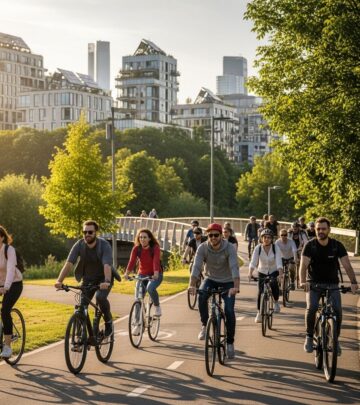
Introduction to Sustainable Transportation
Sustainable transportation is a critical component in the fight against climate change. With the increasing awareness of environmental issues, alternative modes of transportation like bicycles have gained prominence. Bicycles are not just a mode of transportation; they are a powerful tool for climate action.
Benefits of Bicycles for Climate Action
Bicycles offer several benefits that make them an essential part of sustainable living:
- Pollution-Free Transport: Bicycles are zero-emission vehicles, using no fossil fuels and producing no air pollution, which significantly reduces greenhouse gas emissions and improves air quality.
- Conservation of Resources: By reducing the need for automobiles, bicycles help conserve non-renewable resources and reduce the ecological footprint of urban planning, such as road construction and car maintenance.
- Health Benefits: Regular cycling can improve cardiovascular health, reduce obesity, and enhance mental well-being, contributing to a healthier population.
Micromobility and Climate Change
Micromobility, which includes modes like bicycles, e-bikes, and scooters, is particularly effective in urban areas for short trips. The majority of car trips are under five miles, a distance easily covered by micromobility options, thereby reducing car usage and associated emissions.
For instance, e-bikes can cover distances of up to 45 miles or 70 miles per charge, making them a viable alternative to cars for both short and longer trips, significantly reducing carbon emissions and other pollutants like particulate matter and nitrogen oxides.
Challenges and Opportunities in Low-Density Areas
In low-density areas, the effectiveness of micromobility is limited by longer distances and less developed infrastructure. However, this presents opportunities for urban planning that prioritizes bike-friendly and walkable communities, enhancing the feasibility of micromobility solutions.
Role of Electric Bikes in Climate Action
Electric bikes (e-bikes) are a significant tool in the transition to sustainable transportation. They offer greater accessibility for longer distances and can be particularly appealing for those who might not be as physically active or prefer shorter commutes with less effort.
E-bikes contribute to climate action by:
- Reducing Emissions: While e-bikes do have an environmental impact during manufacturing, their operational emissions are zero, making them a cleaner alternative to cars.
- Increasing Participation: E-bikes can encourage more people to cycle, especially those who might be deterred by physical exertion or distance.
Urban Planning for Sustainable Transportation
Effective urban planning is crucial for maximizing the climate benefits of bicycles and other micromobility options. This includes:
- Bike-Friendly Infrastructure: Developing bike lanes, bike paths, and safe cycling infrastructure encourages more people to cycle.
- Public Transportation Integration: Ensuring that micromobility options can seamlessly integrate with public transport systems enhances their appeal and effectiveness.
Case Studies and Success Stories
Several cities around the world have implemented successful bike-friendly infrastructure, demonstrating significant reductions in emissions and improvements in air quality. For example, Copenhagen’s extensive cycling network has made it one of the most sustainable cities, with a substantial portion of its population commuting by bike.
Frequently Asked Questions (FAQs)
Q: How do bicycles contribute to reducing carbon emissions?
A: Bicycles are zero-emission vehicles that reduce the need for cars, thereby decreasing greenhouse gas emissions.
Q: What is the role of e-bikes in sustainable transportation?
A: E-bikes offer greater accessibility for longer distances and encourage more people to participate in cycling, further reducing reliance on fossil fuels.
Q: How can urban planning support micromobility?
A: Urban planning can support micromobility by creating bike-friendly infrastructure and integrating micromobility options with public transportation systems.
References
- https://www.bikehugger.com/posts/tree-and-bike-hugger-make-nice/?PageSpeed=noscript
- https://blixbike.com/blogs/blix-life/battling-climate-change-with-an-electric-bike
- https://www.colorado.edu/ecenter/2022/07/06/benefits-sustainable-transportation
- https://globalaffairs.org/sites/default/files/2022-07/CCGA-Micromobility%20and%20City%20Planning_vF.pdf
- https://climategen.org/blog/300-miles-for-climate-action/
Similar Articles








Read full bio of medha deb


