
Three Flower Herbal Health Tea: Ancient Wellness in a Cup
Discover the healing power of traditional Chinese flower teas for wellness
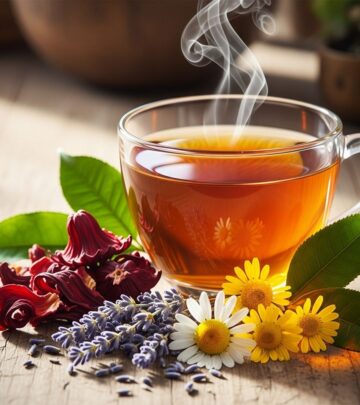
Three Flower Herbal Health Tea represents a cornerstone of traditional Chinese medicine, offering a harmonious blend of carefully selected floral ingredients that have supported wellness for centuries. This therapeutic beverage combines the wisdom of ancient herbalism with modern health consciousness, providing a natural approach to maintaining balance and vitality in daily life.
Understanding Three Flower Herbal Health Tea
The tradition of consuming flower-based herbal teas stems from the fundamental principles of traditional Chinese medicine, which emphasizes the balance of bodily energies and the prevention of illness through natural remedies. Three Flower Tea typically incorporates ingredients specifically chosen for their complementary therapeutic properties, working synergistically to promote overall health and wellbeing.
The classic formulation centers around flowers known for their ability to clear heat and dispel dampness from the body—two conditions that traditional practitioners believe contribute to various health imbalances, particularly during humid seasons. The most prevalent components include Bombax ceiba (kapok flower), Chrysanthemum morifolium (chrysanthemum), and Lonicera japonica (honeysuckle), each bringing distinct medicinal qualities to the blend.
Traditional Composition and Ingredients
The authentic Three Flower Tea formula has evolved through generations of herbal practice, with variations reflecting regional preferences and seasonal availability. While the name suggests three primary ingredients, many traditional formulations actually incorporate five or more floral components to enhance therapeutic effectiveness.
Primary Floral Ingredients:
Kapok flower serves as a foundational element, prized for its cooling properties and ability to clear heat from the body. This tropical flower has been used extensively in South Chinese medicine for addressing issues related to excessive internal heat and inflammation. Chrysanthemum brings additional cooling benefits while supporting eye health and liver function, making it particularly valuable for those experiencing visual strain or seasonal allergies.
Honeysuckle contributes powerful antimicrobial and antiviral properties, traditionally employed to support immune function and combat respiratory infections. The flowers contain bioactive compounds including flavonoids and phenolic acids that demonstrate significant antioxidant capacity. Together, these three core ingredients create a synergistic effect that addresses multiple aspects of health maintenance.
Therapeutic Benefits and Health Applications
The medicinal value of Three Flower Herbal Health Tea extends across numerous health dimensions, supported both by traditional use and emerging scientific research. The bioactive compounds present in these floral ingredients—including flavonoids, alkaloids, and terpenoids—deliver a wide spectrum of pharmacological properties that contribute to overall wellness.
Heat Clearing and Detoxification: The primary function of this herbal tea centers on clearing excessive heat from the body, a concept in traditional Chinese medicine that correlates with inflammation and metabolic stress in modern terms. The cooling nature of the flowers helps reduce inflammatory responses, supporting the body’s natural detoxification processes through enhanced liver function and improved circulation.
Immune System Support: The combination of antimicrobial, antiviral, and antibacterial properties found in the floral components provides robust immune support. Research has demonstrated effectiveness against various pathogens, with honeysuckle showing particular promise in antiviral applications. Regular consumption during seasonal transitions may help fortify the body’s defenses against common illnesses.
Digestive Wellness: Three Flower Tea traditionally addresses digestive discomfort by dispelling dampness and promoting healthy gastrointestinal function. The tea can help alleviate bloating, reduce inflammation in the digestive tract, and support regular elimination. The gentle nature of the floral ingredients makes this tea suitable for those with sensitive digestive systems.
Respiratory Health: The decongestant and anti-inflammatory properties of the flowers provide relief for respiratory complaints, including coughs, sore throats, and sinus congestion. The tea helps clear heat from the lungs and upper respiratory passages, making it particularly beneficial during cold and flu season or for individuals dealing with seasonal allergies.
Antioxidant and Anti-Inflammatory Properties
Modern research has confirmed what traditional practitioners have known for centuries—the flowers used in this tea possess remarkable antioxidant capabilities. These compounds help neutralize free radicals, protecting cells from oxidative damage that contributes to aging and chronic disease development.
The anti-inflammatory effects of Three Flower Tea work through multiple pathways, reducing the production of inflammatory mediators while supporting the body’s natural healing processes. This makes the tea valuable for managing conditions associated with chronic inflammation, from joint discomfort to skin issues. The gentle, cumulative effect of regular consumption supports long-term wellness without the harsh side effects associated with pharmaceutical interventions.
Preparation Methods and Brewing Techniques
Proper preparation of Three Flower Herbal Health Tea maximizes its therapeutic potential while ensuring optimal flavor and aroma. The brewing process requires attention to temperature, steeping time, and ingredient ratios to extract the beneficial compounds effectively.
Basic Brewing Instructions: Begin with high-quality, properly dried flowers from reputable sources. Use approximately 5-8 grams of the flower mixture per 250ml of water. Bring fresh, filtered water to a boil, then allow it to cool slightly to around 90-95°C (194-203°F) to prevent destroying delicate volatile compounds in the flowers.
Place the flowers in a teapot or infuser, pour the hot water over them, and cover to retain aromatic compounds. Steep for 5-8 minutes for the first infusion, adjusting time based on desired strength and personal preference. The flowers can typically be re-steeped 2-3 times, with each subsequent infusion requiring slightly longer steeping times.
Enhanced Preparation Methods: For deeper extraction of medicinal compounds, some practitioners recommend a gentle decoction method. Combine the flowers with room temperature water in a pot, bring to a gentle simmer, and maintain low heat for 15-20 minutes. This approach particularly suits dried, tougher flower materials and enhances the extraction of water-soluble compounds.
Optimal Consumption and Dosage Guidelines
Three Flower Herbal Health Tea can be consumed regularly as part of a wellness routine, with frequency and quantity adjusted according to individual needs and constitution. Most practitioners recommend 1-2 cups daily for general health maintenance, increasing to 3 cups during periods of acute need or seasonal transitions.
The tea can be enjoyed warm or at room temperature, depending on personal preference and seasonal considerations. During hot weather, many people prefer consuming it at room temperature or slightly chilled to enhance its cooling effects. In cooler months, warm tea provides comfort while delivering therapeutic benefits.
Timing Considerations: For digestive support, consume the tea 30 minutes before or after meals. For general wellness and heat clearing, drinking the tea in the afternoon proves particularly beneficial. Those using the tea for sleep support should avoid consumption in the evening, as some individuals may find it mildly stimulating.
Quality Considerations and Sourcing
The effectiveness of Three Flower Herbal Health Tea depends significantly on ingredient quality and authenticity. Research has revealed considerable variation in commercially available flower tea blends, with some products containing adulterants or substituted ingredients that may compromise therapeutic value.
When selecting Three Flower Tea, prioritize products from reputable suppliers who provide transparent information about sourcing and processing methods. Look for flowers that maintain their natural color, shape, and aroma—signs of proper harvesting and storage. Avoid products with musty odors, discoloration, or excessive dust, which indicate poor quality or improper storage conditions.
Authentication and Purity: Quality assurance remains essential for traditional herbal products. Studies have identified instances of species substitution and contamination in commercial flower tea samples, highlighting the importance of purchasing from trusted sources that employ proper authentication methods. Organic certification provides additional assurance regarding pesticide residues and cultivation practices.
Complementary Ingredients and Variations
While the classic Three Flower formula provides comprehensive benefits, many traditional recipes incorporate additional herbs to address specific health concerns or enhance particular therapeutic properties. Common additions include Artemisia capillaris for enhanced dampness dispelling, Prunella vulgaris for additional heat clearing capacity, and Pueraria lobata for supporting digestive and respiratory function.
Some formulations include ginger for its warming properties and ability to enhance circulation, though this addition changes the tea’s energetic nature. Chrysanthemum content may be increased for individuals seeking stronger eye health support or experiencing significant heat symptoms. These variations demonstrate the flexibility of traditional formulations in addressing individual constitutional needs.
Safety Considerations and Precautions
Three Flower Herbal Health Tea is generally considered safe for most individuals when consumed in moderate amounts. However, certain populations should exercise caution or consult healthcare providers before regular use. Pregnant and nursing women should seek professional guidance, as some floral ingredients may affect hormonal balance or uterine activity.
Individuals with known allergies to plants in the Asteraceae family should avoid chrysanthemum and related flowers, as cross-reactivity may occur. Those with severe pollen allergies should introduce flower teas gradually, monitoring for any adverse reactions. If you experience digestive upset, skin reactions, or other unexpected symptoms, discontinue use and consult a qualified healthcare practitioner.
Medication Interactions: While flower teas typically pose minimal risk, potential interactions with certain medications warrant consideration. Individuals taking blood thinners should consult their physician, as some floral compounds may affect coagulation. Those on immunosuppressive therapy should also seek medical advice before consuming immune-modulating herbs regularly.
Seasonal Applications and Traditional Uses
Traditional Chinese medicine emphasizes aligning health practices with seasonal rhythms, and Three Flower Tea plays a particularly important role during hot, humid months. The tea’s cooling and drying properties make it ideally suited for counteracting the effects of summer heat and dampness, conditions that practitioners believe can lead to lethargy, digestive issues, and increased susceptibility to illness.
During spring and fall transitions, the tea supports the body’s adjustment to changing environmental conditions, helping maintain balance as external temperatures fluctuate. Even in winter, modified versions of the formula can address internal heat conditions resulting from dietary choices, stress, or indoor heating.
Modern Scientific Validation
Contemporary research has begun validating many traditional claims associated with Three Flower Tea ingredients. Studies confirm the anti-inflammatory, antimicrobial, and antioxidant properties of the primary floral components, demonstrating measurable effects on inflammatory markers, pathogen inhibition, and oxidative stress reduction.
Research on individual components reveals chrysanthemum’s potential in supporting cardiovascular health and providing neuroprotective effects. Honeysuckle has demonstrated antiviral activity against various strains, while kapok flower shows promise in managing inflammatory conditions. These findings support the traditional use of these ingredients while opening avenues for further investigation into specific mechanisms of action.
Integration with Modern Wellness Practices
Three Flower Herbal Health Tea integrates seamlessly into contemporary wellness routines, complementing other healthy lifestyle practices. The tea provides a caffeine-free alternative to conventional beverages, offering hydration along with Therapeutic benefits. Its gentle, cooling nature makes it suitable for daily consumption without the jittery effects or sleep disruption associated with caffeinated drinks.
Many individuals incorporate the tea into mindfulness practices, using the preparation and consumption ritual as an opportunity for meditation and stress reduction. The aromatic qualities of the flowers engage the senses, promoting relaxation and present-moment awareness. This holistic approach amplifies the tea’s benefits beyond its biochemical effects, supporting mental and emotional wellbeing.
Storage and Preservation
Proper storage ensures Three Flower Tea maintains its potency and flavor over time. Store dried flowers in airtight containers away from direct sunlight, heat, and moisture—environmental factors that degrade beneficial compounds and promote mold growth. Glass jars with tight-fitting lids work well, as they prevent contamination while allowing visual inspection of the contents.
Keep the containers in a cool, dark cupboard or pantry, avoiding areas prone to temperature fluctuations or humidity. When stored correctly, high-quality dried flowers typically maintain their properties for 12-18 months, though optimal potency occurs within the first year. Regularly check stored flowers for any signs of deterioration, including discoloration, unusual odors, or visible mold.
Cultural Significance and Heritage
Beyond its medicinal applications, Three Flower Herbal Health Tea represents an important cultural tradition connecting modern practitioners with centuries of accumulated wisdom. In Hong Kong and South China, herbal tea consumption forms an integral part of daily life and social interaction, with dedicated herbal tea shops serving as community gathering places.
This tradition reflects a broader philosophy emphasizing prevention over treatment and the importance of maintaining harmony between the body and its environment. The practice of drinking herbal tea embodies principles of self-care and responsibility for one’s health, encouraging individuals to develop awareness of their bodies’ needs and respond proactively to imbalances before they manifest as illness.
Frequently Asked Questions
Q: How often should I drink Three Flower Herbal Health Tea?
A: For general wellness maintenance, 1-2 cups daily is typically recommended. During periods of illness or seasonal transitions, consumption can increase to 3 cups daily. Adjust frequency based on individual response and constitutional needs.
Q: Can I drink Three Flower Tea if I’m pregnant?
A: Pregnant women should consult with their healthcare provider before consuming Three Flower Tea regularly, as some floral ingredients may affect pregnancy. Professional guidance ensures safe use tailored to individual circumstances.
Q: Does Three Flower Tea contain caffeine?
A: No, authentic Three Flower Herbal Health Tea is naturally caffeine-free, making it suitable for consumption throughout the day and evening without affecting sleep patterns.
Q: How long does it take to notice benefits from drinking the tea?
A: Some effects, such as refreshment and mild cooling sensations, occur immediately. For deeper therapeutic benefits related to immune support and inflammation reduction, consistent consumption over 2-4 weeks typically produces noticeable results.
Q: Can children drink Three Flower Tea?
A: Children can generally consume Three Flower Tea in reduced quantities, starting with half the adult dosage. Monitor for any adverse reactions and consult a pediatrician if uncertain about appropriateness for your child’s specific health situation.
Q: What should I do if the tea tastes too bitter?
A: Reduce steeping time or use fewer flowers per cup to decrease bitterness. Adding a small amount of raw honey or rock sugar can improve palatability while maintaining therapeutic properties. Adjust gradually to find your preferred balance.
Q: Is Three Flower Tea the same as Five Flower Tea?
A: While similar in principle, Five Flower Tea typically contains additional floral ingredients beyond the basic three-flower formula. Both serve comparable functions but may offer slightly different therapeutic emphases depending on specific composition.
References
- https://healingherbalsoups.com/products/three-flower-tea
- https://www.health.harvard.edu/nutrition/the-health-benefits-of-3-herbal-teas
- https://pmc.ncbi.nlm.nih.gov/articles/PMC10943788/
- https://the-qi.com/blogs/journal/7-flower-tea-recipes-for-every-mood-and-benefit
- https://artfultea.com/blogs/tea-wisdom/floral-teas
- https://www.theteamakers.co.uk/blogs/news/7-health-benefits-of-jasmine-green-tea
- https://www.webmd.com/diet/health-benefits-chrysanthemum-tea
Similar Articles


Read full bio of medha deb


