
Natural Remedies for Menopausal Dry Skin: Comprehensive Guide for Relief
Explore powerful natural solutions and science-backed advice to manage and relieve dry skin symptoms during menopause.
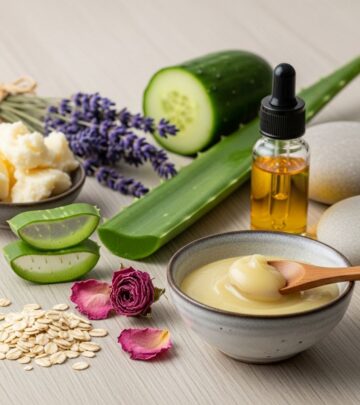
Dry skin is one of the most commonly reported and persistently frustrating symptoms experienced by women during menopause. With lowering estrogen levels, the skin’s ability to maintain moisture diminishes, often leading to discomfort, flakiness, itching, and an increase in the appearance of lines and wrinkles. However, menopausal dry skin is not an inevitable or untreatable fate. By adopting simple, targeted remedies and supporting the body with the right nutrients and care, you can restore your skin’s softness and resilience. This guide presents a comprehensive, natural approach to managing dry skin during menopause, including practical solutions, lifestyle changes, and when to seek professional support.
Understanding Menopausal Dry Skin
During menopause, hormonal fluctuations—most notably the declining levels of estrogen—directly influence the skin’s structure and function. Estrogen helps maintain skin thickness, collagen production, and natural oils. When estrogen drops:
- Skin produces less sebum, decreasing its natural moisture barrier.
- Collagen and elastin fibers weaken, contributing to dryness, thinness, and sagging.
- Cell turnover slows, causing the skin to appear dull and flaky.
Other factors that can exacerbate dryness during menopause include environmental stressors, harsh skin products, dehydration, and lifestyle habits.
Main Symptoms and Signs
- Tightness, flakiness, or rough texture
- Persistent itching, especially after bathing
- Redness and irritation
- Increased sensitivity to soaps and detergents
- Visible fine lines and dull complexion
Why Conventional Solutions Aren’t Always Enough
Menopausal dry skin often lingers despite using common drugstore lotions. Many conventional products contain fragrances, alcohols, and other ingredients that can worsen dryness or irritate sensitive, maturing skin. Instead, focusing on natural remedies and evidence-based skin care practices can help restore comfort and hydration more effectively and gently.
Natural Remedies: What Really Works?
Integrating certain habits, dietary changes, and topical solutions can dramatically improve your skin’s hydration. Here are key natural remedies supported by research and dermatological advice.
1. Moisturize Correctly and Frequently
- Choose moisturizing creams instead of lotions, especially those formulated for sensitive or mature skin.
- Opt for creams with hyaluronic acid, glycerin, ceramides, or shea butter—key ingredients known to help the skin retain water.
- Apply moisturizers while skin is damp, such as immediately after bathing, to lock in maximum hydration.
- For the body, use fragrance-free, rich emollients designed for itchy or sensitive skin.
2. Avoid Harsh Cleansers and Hot Water
- Use gentle, hydrating cleansers free from sulfates, alcohol, and synthetic perfumes that can strip natural oils.
- Skip foaming washes and choose creamy facial cleansers or cleansing milks.
- Shower or bathe in lukewarm water. Hot water worsens dryness by breaking down the barrier lipids in the skin.
- Pat—don’t rub—skin dry after bathing.
3. Nutritional Support for Hydrated Skin
| Nutrient | How It Helps Skin | Sources |
|---|---|---|
| Omega-3 Fatty Acids | Supports natural oil (sebum) production and skin barrier | Flax seeds, salmon, sardines, walnuts, chia seeds, omega-3 supplements |
| Vitamin C | Encourages collagen synthesis for elasticity | Citrus fruits, strawberries, red peppers, broccoli, supplements |
| Sulfur | Essential for skin repair, supports collagen | Eggs, garlic, onions, beans, cruciferous vegetables, bone broth |
| Vitamin E | Antioxidant defense and skin healing | Seeds, nuts, avocados, olive oil |
| Polyphenols | Reduce skin inflammation | Green tea, berries, dark chocolate |
4. Home Care Habits for Healthier Skin
- Run a humidifier during colder months or in air-conditioned rooms to add moisture back into the environment.
- Wear natural fibers (like soft cotton) to avoid irritation from harsh fabrics such as wool or synthetics.
- Avoid strong laundry detergents and opt for those labeled for sensitive skin.
- Stay hydrated by sipping water throughout the day—aiming for at least 8 glasses daily depending on your activity level.
5. Sun Protection and Environmental Measures
- Apply broad-spectrum SPF 30 or higher every morning, as menopausal skin is more vulnerable to UV damage.
- Choose physical sunscreens (zinc oxide or titanium dioxide) for the least irritation.
- Wear wide-brim hats, UV-protective clothing, and consider driving gloves to protect hands from sun exposure.
6. Enhance Skin’s Resilience and Glow
- Gentle exfoliation (once or twice weekly) using mild, non-abrasive scrubs or enzyme-based products helps remove dead skin flakes without damaging the skin barrier.
- Use skin softeners or toners rich in hydrating ingredients, such as Japanese-style skin softeners or hydrating mists.
- Look for plant-based oils like jojoba, safflower, or almond for an additional boost of nourishment and relief for severe dryness.
Targeted Ingredients for Menopausal Skin Relief
Choosing the correct active ingredients in your skincare routine can address specific menopausal skin changes.
- Hyaluronic Acid: Holds 1000 times its weight in water, keeping skin visibly plump and hydrated.
- Ceramides: Restore and protect the skin’s natural lipid barrier.
- Niacinamide (Vitamin B3): Improves skin elasticity and supports the barrier function.
- Glycerin: Draws moisture into deeper layers of the skin.
- Retinols: Derived from vitamin A, boost collagen, brighten skin, and minimize fine lines (try milder versions if your skin is easily irritated).
Skin Care Routine: Step-by-Step for Menopausal Dry Skin
- Cleanser: Use a gentle, low-foam cleansing milk or hydrating gel.
- Hydrating Softener or Toner: Apply a softening lotion rich in humectants for an added moisture boost.
- Serum: Choose hyaluronic acid, peptide, or vitamin C-based serums.
- Rich Moisturizer: Layer on a nourishing cream with ceramides and emollients.
- Facial Oil (optional): Seal in the last layer at night with a drop of natural oil for extra comfort.
- Sunscreen (daytime): Apply last, before any makeup.
Repeat morning and night, noting that sunscreen is always the final daytime product.
Medical and Dermatological Treatments
When home remedies and lifestyle choices aren’t enough to alleviate severe menopausal skin dryness, certain medical treatments may be beneficial:
- Hormone Replacement Therapy (HRT): May improve skin thickness, hydration, and collagen levels by restoring estrogen. Must be prescribed by a healthcare provider and carefully monitored for overall health impact.
- Prescription-strength Retinoids: Promote skin cell turnover and encourage the production of natural hyaluronic acid for enhanced hydration and reduced signs of aging. They are stronger than over-the-counter retinols, so require medical supervision.
- Professional Laser Treatments: Address discoloration, thinning, and textural changes through targeted light therapy.
Consult your healthcare provider or a dermatologist for tailored advice on whether medical interventions could benefit your skin health during menopause.
Frequently Asked Questions (FAQs) About Menopausal Dry Skin
Q: Why does my skin become so dry during menopause?
A: Lower estrogen levels lead to less natural oil and reduced collagen, both of which are essential for healthy, hydrated skin.
Q: Can dietary changes really improve dry skin?
A: Yes, eating more omega-3 fatty acids, vitamin C, and sulfur-rich foods supports natural sebum production and collagen synthesis, both vital for moist and pliant skin.
Q: Are there any ingredients or habits I should avoid?
A: Avoid harsh soaps, frequent hot showers, perfume-laden skincare, and abrasive scrubs. Also, try to reduce exposure to central heating and air conditioning without humidity control.
Q: When should I see a dermatologist for my dry skin?
A: If your dryness leads to cracking, severe itching, rashes, or doesn’t respond to over-the-counter remedies, consult a dermatologist to rule out underlying conditions or get stronger prescription treatments.
Q: Can hormone therapy help my skin?
A: Hormone therapy can be effective in restoring hydration and resilience to the skin by addressing low estrogen, but it should always be used under the guidance of a healthcare provider weighing the benefits and risks specific to your health profile.
Holistic Lifestyle Tips for Menopausal Skin Wellness
- Manage stress: Practice mindfulness, yoga, or meditation to reduce cortisol levels, which can worsen dryness and skin sensitivity.
- Prioritize regular sleep: Deep sleep is critical for cell repair, including the skin barrier.
- Engage in moderate exercise to enhance blood circulation and nutrient delivery to the skin.
- Limit alcohol and caffeine, as both can further dehydrate your skin.
- Consider phytoestrogen-rich foods (such as soy, flaxseed, and chickpeas), which may gently support hormonal balance.
When to Consider Professional Help
Sometimes, despite your best efforts, dry skin may persist due to underlying conditions or require specialized treatment. Consult with your healthcare provider if you notice:
- Open sores, oozing, or infected areas
- Severe rashes or skin discoloration
- Unexplained or persistent scaling and itching
- Other symptoms that interfere with sleep or quality of life
Medical professionals may recommend further therapies such as targeted hormonal interventions, prescription creams, or in some cases, patch testing for allergies.
Summary Table: Quick-Reference Remedies for Menopausal Dry Skin
| Remedy | Benefits | How to Use |
|---|---|---|
| Cream-based moisturizer | Deep hydration and barrier protection | Twice daily, after cleansing |
| Humidifier | Adds moisture to dry indoor air | Run overnight, especially in winter |
| Omega-3 supplements | Supports natural oils and healthy skin | Follow package or physician-ordered dosage |
| SPF 30+ sunscreen | Prevents sun-induced dryness and damage | Apply daily, reapply every 2 hours outdoors |
| Soft cotton clothing | Reduces irritation from rough fabrics | Wear daily, especially close to the skin |
| Gentle cleanser | Cleans without stripping oils | Morning and night |
Takeaway
Dry skin during menopause is a widespread but manageable concern. With a blend of the right skincare products, simple home remedies, protective lifestyle changes, and targeted nutrition, you can restore comfort, moisture, and glow to your skin. Persistent symptoms or severe discomfort should be discussed with a healthcare provider, as individualized treatments may offer further relief and better skin health.
References
- https://www.womenshealthnetwork.com/menopause-and-perimenopause/remedies-for-dry-skin-in-menopause/
- https://www.aad.org/public/everyday-care/skin-care-secrets/anti-aging/skin-care-during-menopause
- https://www.evernow.com/symptoms/dry-skin
- https://www.intimaterose.com/blogs/womens-health/menopause-skin-changes
- https://www.webmd.com/menopause/ss/slideshow-better-skin-after-menopause
- https://www.shiseido.co.uk/gb/en/shiseido-blog/dry-skin-in-menopause.html
- https://www.breastcancer.org/treatment-side-effects/menopause/skin-changes
- https://www.vaseline.com/us/es/articles/skin-concern/what-you-need-to-know-about-menopause-and-dry-skin.html
- https://www.healthline.com/health/beauty-skin-care/menopause-skin-changes
Similar Articles




Read full bio of Sneha Tete


