
Comprehensive Guide to Over-the-Counter Bronchitis Remedies for Safe and Effective Relief
Discover safe, effective, and accessible over-the-counter remedies and self-care advice for relieving bronchitis symptoms at home.

Bronchitis is a common respiratory condition characterized by inflammation of the bronchial tubes, often leading to a persistent cough, chest discomfort, and difficulty breathing. While most cases are self-limited and resolve without prescription medications, over-the-counter (OTC) treatments and self-care strategies can significantly ease symptoms and promote comfort during recovery.
Table of Contents
- Understanding Bronchitis: Symptoms and When to Seek Help
- Top Over-the-Counter Medications for Bronchitis
- Evidence-Based Natural and Home Remedies
- Self-Care Strategies and Lifestyle Tips
- Herbal and Alternative Remedies: What the Evidence Says
- Safety, Drug Interactions, and When to Avoid OTC Remedies
- Frequently Asked Questions
- Quick Reference Table of Common OTC Options
Understanding Bronchitis: Symptoms and When to Seek Help
Bronchitis refers to the inflammation of the bronchial tubes, usually caused by viruses but occasionally triggered by bacteria or irritants like smoke. Acute bronchitis typically resolves within a few weeks, whereas chronic bronchitis lasts for months or recurs yearly.
- Main symptoms: Persistent cough (dry or productive), chest discomfort, shortness of breath, fatigue, mild fever, and wheezing.
- Most cases of acute bronchitis do not require antibiotics, as they are often viral.
When to seek medical care: If you experience high fever, severe shortness of breath, chest pain, coughing up blood, or symptoms lasting more than three weeks, prompt medical evaluation is advised.
Top Over-the-Counter Medications for Bronchitis
OTC medications are widely used to manage bronchitis symptoms, especially cough, congestion, and discomfort. Here are the most effective options and their appropriate use:
Cough Suppressants (Antitussives)
- Dextromethorphan (brands: Robitussin, Delsym): This is the most common OTC cough suppressant for acute bronchitis. It helps reduce the urge to cough, especially beneficial at night when cough disrupts sleep.
Note: Dextromethorphan does not speed recovery or completely stop the cough but may provide temporary relief for several hours.
Safety considerations: Should not be used for productive (wet) coughs, in children under 4 years, or by individuals with asthma, chronic lung disease, or cardiovascular conditions without medical advice.
Dosage: Follow package instructions, typically 3–4 times daily. Start with the lowest effective dose.
Expectorants
- Guaifenesin (brand example: Mucinex): An OTC expectorant that loosens mucus, making coughs more productive and clearing congestion.
Indication: Best for patients struggling to bring up phlegm.
Pain and Fever Relievers
- Acetaminophen (Tylenol): Reduces fever and eases body aches from coughing. Safe for most people if dosed appropriately.
- Ibuprofen (Advil, Motrin) and Naproxen (Aleve): NSAIDs help reduce fever, sore throat, headaches, and chest discomfort.
Caution: Avoid in children with viral illness (risk of Reye’s syndrome with aspirin), gastrointestinal ulcers, or kidney disease.
Combined Cold and Flu Remedies
- Many over-the-counter cough and cold products combine several medications—always check labels for overlapping ingredients (especially acetaminophen, ibuprofen, antihistamines, and decongestants), as overdosing can be harmful.
Evidence-Based Natural and Home Remedies
While OTC medications can alleviate symptoms, a range of home remedies demonstrate effectiveness in soothing bronchitis-related cough and throat irritation. Consider these options for additional relief:
- Honey: High-quality evidence supports honey as a cough remedy, comparable to OTC cough syrups. A spoonful as needed, or stirred into warm tea, coats the throat, reduces irritation, and may calm coughs.
Warning: Never give honey to children under 12 months due to botulism risk. - Warm fluids: Hydration thins mucus, making it easier to expel. Hot teas (with or without lemon and honey), clear broths, and warm water are especially soothing.
- Throat lozenges (sugar or sugar-free): Help relieve minor throat discomfort and the urge to cough. Ideal options include menthol, eucalyptus, or simple hard candies.
Warning: Avoid lozenges in young children due to choking hazard. - Humidifiers, steam showers, and vapor inhalation: Adding moisture to the air helps thin secretions. Inhale steam from a hot shower or place your face over a bowl of steaming (not boiling) water with a towel tented overhead.
Thoroughly clean humidifiers every few days to prevent mold or bacteria.
Self-Care Strategies and Lifestyle Tips
Non-medication measures play a critical role in bronchitis recovery and symptom management. Here are some evidence-based self-care tips:
- Rest: Allow your body time to heal. Avoid strenuous activities until energy returns and symptoms improve.
- Hydration: Drink plenty of water and healthy fluids to help thin mucus and prevent dehydration, especially during fever.
- Avoid smoke, vapors, and strong odors: Irritants can prolong recovery and worsen symptoms. Reduce exposure to tobacco smoke and environmental pollutants.
- Elevate your head at night: Using extra pillows may help reduce nighttime cough.
- Soothe throat discomfort: Saltwater gargles and warm, non-irritating foods (such as oatmeal or soup) may lessen soreness.
Herbal and Alternative Remedies: What the Evidence Says
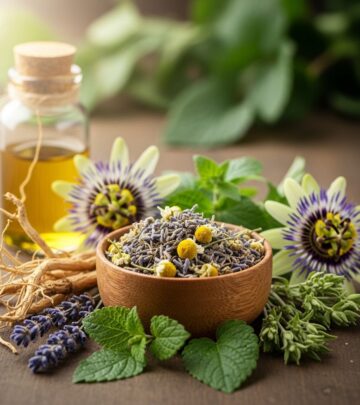
There is longstanding use of herbal and plant-based remedies for bronchitis. Some commonly used herbal products include:
- Ivy leaf extract: May help thin mucus and soothe cough.
- Thyme, primrose, eucalyptus: Used in various preparations, these may have mild symptom-reducing properties.
- Pelargonium sidoides (South African geranium): Some studies suggest modest benefits in shortening the duration or severity of acute bronchitis.
Important considerations:
- Herbal remedies may cause gastrointestinal side effects.
- Clinical evidence for most products is limited; robust, high-quality studies are often lacking.
- Always check with a healthcare provider before starting herbal therapies, especially if you have allergies, take other medications, or have underlying health conditions.
Safety, Drug Interactions, and When to Avoid OTC Remedies
While OTC treatments are widely accessible, it is critical to use them safely:
- Follow dosing instructions: Never exceed recommended doses. Be especially cautious with combination medications that may contain overlapping ingredients.
- At-risk groups: Children (especially under 4 years), the elderly, pregnant or breastfeeding women, and people with chronic lung, heart, liver, or kidney disease should always consult a healthcare professional before using OTC remedies.
- Potential interactions: Some OTC cold and cough preparations interact with prescription medications, particularly antidepressants, blood thinners, and drugs that affect the nervous system.
- Avoid aspirin in children and teens (risk of Reye’s syndrome).
- See a doctor if: You experience severe symptoms, cough up blood, have chest pain, shortness of breath, or symptoms last longer than expected.
Quick Reference Table of Common OTC Options
| Remedy | Purpose | Notes |
|---|---|---|
| Dextromethorphan | Cough suppressant | For dry coughs, not productive ones; use with caution in at-risk groups |
| Guaifenesin | Expectorant | Helps thin and expel mucus |
| Acetaminophen | Pain/fever relief | Do not exceed max daily dose |
| Ibuprofen / Naproxen | Pain/fever relief | May irritate stomach; avoid in some chronic conditions |
| Honey | Cough relief (natural) | Not for infants under 1 year old |
| Menthol/Eucalyptus Lozenges | Soothes throat | Choking risk for young children |
Frequently Asked Questions (FAQs)
Can I use antibiotics for bronchitis?
No, most acute bronchitis cases are caused by viruses and do not respond to antibiotics. OTC remedies and self-care can relieve symptoms in most cases.
Are cough suppressants always recommended?
No, cough suppressants like dextromethorphan should be used only for severe, dry coughs, especially if sleep is disrupted. They should not be used for productive, wet coughs, as this can prevent the clearing of mucus.
Is it safe to combine multiple OTC medications?
Use caution: Many OTC products are combination drugs and may contain similar ingredients. Avoid doubling up on pain/fever relievers or using drugs with similar active ingredients. Always check labels and consult your pharmacist if unsure.
Do herbal remedies work?
Some herbal preparations may soothe symptoms, but evidence is mixed, and safety is not guaranteed for all users. Consult your doctor before using herbal remedies, particularly if you are taking prescription drugs or have chronic health conditions.
When should I see a healthcare provider?
Seek professional evaluation if you have high fever, trouble breathing, chest pain, fainting, cough lasting beyond three weeks, or cough up blood.
Conclusion
Over-the-counter remedies and self-care are central to managing bronchitis symptoms, offering accessible relief while the illness runs its course. Always use these remedies as directed, be aware of risk factors and drug interactions, and consult healthcare professionals when symptoms are severe, prolonged, or worrisome. Combining evidence-based OTC options with natural therapies and healthy habits maximizes comfort and supports recovery.
References
- https://www.goodrx.com/conditions/lower-respiratory-infection/get-rid-of-bronchitis-with-self-care
- https://www.webmd.com/lung/what-helps-you-feel-better-with-bronchitis
- https://www.ncbi.nlm.nih.gov/books/NBK458286/
- https://my.clevelandclinic.org/health/diseases/3993-bronchitis
- https://www.healthline.com/health/home-remedies-for-bronchitis
- https://www.mayoclinic.org/diseases-conditions/bronchitis/diagnosis-treatment/drc-20355572
- https://www.templehealth.org/services/conditions/acute-bronchitis/treatment-options
- https://www.medicalnewstoday.com/articles/316410
- https://www.sanfordhealthplan.com/-/media/files/documents/providers/svhp-2744-flyer-antibiotic-otc-for-acute-bronchitus-8_5x11.pdf
Similar Articles





Read full bio of Sneha Tete


