
NY Illegal Lockout Remedies: Tenant Rights & Legal Options
Comprehensive guide to New York tenant protections against illegal evictions
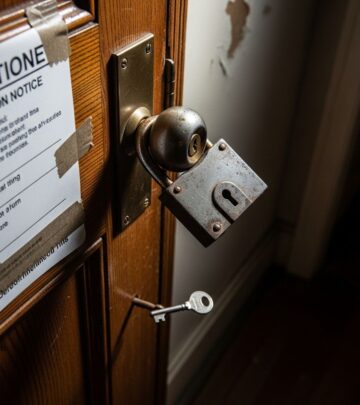
New York tenants facing illegal lockouts have powerful legal protections at their disposal, particularly following the passage of the Tenant Protection Act of 2019. With enhanced statutory protections codified under Real Property Actions and Proceedings Law (RPAPL) § 768, tenants now possess both civil and criminal remedies against landlords who attempt self-help evictions. Understanding these legal safeguards is essential for any tenant confronting an unlawful removal from their home, especially during times of housing instability or economic crisis when illegal lockouts become more prevalent.
The legal landscape surrounding tenant protections has evolved significantly, providing robust mechanisms to combat landlord overreach. Whether a landlord changes locks, removes belongings, shuts off utilities, or uses intimidation tactics to force a tenant out, New York law treats these actions as serious violations carrying substantial penalties. These protections extend beyond traditional tenants to include lawful occupants who have resided in a dwelling for more than 30 days, recognizing the diverse nature of modern housing arrangements.
Understanding Illegal Lockouts Under New York Law
An illegal lockout occurs when a landlord removes or attempts to remove a tenant from their residence without following proper legal procedures. New York law is unequivocal: landlords must obtain a court order before evicting any tenant or lawful occupant. Any attempt to circumvent this requirement constitutes an unlawful eviction, regardless of whether the tenant owes rent or has violated lease terms.
RPAPL § 768 provides a comprehensive definition of unlawful eviction that encompasses various forms of landlord misconduct. The statute recognizes that illegal evictions can take many forms beyond the stereotypical image of a landlord physically removing a tenant’s belongings. These prohibited actions include changing locks without providing new keys, removing doors or windows, shutting off essential utilities such as heat, water, or electricity, removing the tenant’s personal property, and using threats, intimidation, or harassment to compel the tenant to vacate.
The law applies to any occupant who has lawfully resided in the premises for more than 30 days. This threshold protects not only traditional lease-holding tenants but also month-to-month renters, subleasers with landlord permission, and even occupants without formal written agreements who have established residency. The 30-day period establishes a legal presumption of tenancy that cannot be ignored through self-help measures.
Summary Proceedings to Restore Possession
When a tenant experiences an illegal lockout, the most immediate and effective remedy is filing a summary proceeding to restore possession. This legal action provides expedited relief, allowing tenants to quickly regain access to their homes without enduring the delays associated with traditional litigation. Summary proceedings are specifically designed to address the urgent nature of housing displacement and the fundamental importance of shelter.
Both residential and commercial tenants can initiate summary proceedings under RPAPL § 713(10), though commercial tenants may be barred if their lease specifically authorizes landlord self-help. Residential tenants, however, retain this right regardless of lease provisions, as New York law prohibits waiving statutory protections against illegal lockouts in residential contexts. The proceeding requires the petitioner to demonstrate that they were lawfully in possession of the premises and that the landlord removed or excluded them without a court order.
The procedural advantages of summary proceedings make them particularly valuable for tenants. Courts treat illegal lockout cases as essential matters requiring immediate attention, even during periods when housing courts face limited operations. During the COVID-19 pandemic, for example, applications addressing illegal lockouts continued to be accepted and processed despite widespread court closures affecting other housing matters. This prioritization reflects the legal system’s recognition that housing security is a fundamental necessity that cannot await routine case processing.
Filing a summary proceeding requires specific documentation and legal pleadings. Tenants should gather evidence of their lawful occupancy, such as lease agreements, rent receipts, utility bills in their name, mail addressed to the premises, and witness statements confirming their residency. Evidence of the lockout itself is equally important, including photographs of changed locks, communications from the landlord, documentation of utility shutoffs, and records of attempts to regain access. This evidence forms the foundation of the petition and supports the tenant’s request for immediate restoration.
Criminal Penalties for Landlords
Beyond civil remedies, New York law imposes criminal liability on landlords who engage in illegal lockouts. The Tenant Protection Act of 2019 elevated unlawful evictions to a class A misdemeanor, carrying a maximum punishment of imprisonment for up to one year. This criminal classification sends a powerful message that self-help evictions are not merely civil disputes but criminal acts that threaten public safety and housing stability.
For a landlord to face criminal prosecution, the occupant must have lawfully resided in the dwelling for more than 30 days, and the eviction must have occurred without a court order or government directive. The statute does not require proof that the landlord acted with malicious intent; rather, the act of unlawfully removing or excluding an occupant is itself criminal. This strict liability approach eliminates defenses based on ignorance of the law or claimed good faith misunderstandings about tenant status.
Each violation constitutes a separate and distinct crime. If a landlord changes locks, removes property, and threatens the tenant, three separate criminal charges can be filed. This multiplier effect significantly increases potential penalties and creates powerful deterrence against landlord misconduct. Additionally, if a landlord fails to restore possession after being requested to do so, this refusal constitutes an additional criminal violation.
The criminal enforcement mechanism operates through several pathways. Tenants can file complaints with local police departments or district attorney’s offices, requesting criminal investigation and prosecution. Law enforcement agencies have received guidance emphasizing the importance of treating illegal lockouts as serious criminal matters requiring thorough investigation. Some jurisdictions have established specialized units focused on tenant protection and housing-related crimes, recognizing the prevalence and severity of illegal lockouts.
Civil Penalties and Financial Consequences
In addition to criminal liability, landlords face substantial civil penalties for illegal lockouts. RPAPL § 768 establishes a minimum civil penalty of $1,000 and a maximum of $10,000 for each violation. These penalties are mandatory, not discretionary, meaning courts must impose them upon finding an unlawful eviction. The wide range allows judges to calibrate penalties based on the severity of the violation, the landlord’s conduct, and the harm suffered by the tenant.
The financial consequences extend beyond initial penalties. Landlords who fail to restore tenants to possession face additional daily fines of up to $100 per day, calculated from the date the occupant requests restoration until actual restoration occurs. These accumulating penalties can quickly become substantial, potentially reaching tens of thousands of dollars over several months. The maximum duration for these daily penalties is six months, though the initial violation penalties remain separate.
For restoration to trigger the daily penalty mechanism, the occupant must make a formal request to be restored to possession. This request can be made verbally or in writing, though written documentation is advisable for evidentiary purposes. Once the request is made, the landlord faces criminal and civil liability if restoration does not occur promptly. The law recognizes three scenarios triggering liability: the owner directly committed the unlawful eviction, the owner knew or had reason to know of the unlawful eviction, or the unlawful eviction occurred within seven days prior to the restoration request.
Beyond statutory penalties, tenants can pursue additional civil damages through wrongful eviction lawsuits. These claims allow recovery for actual damages including moving and storage expenses, increased rent at replacement housing, loss of personal property, emotional distress and mental anguish, and punitive damages when landlord conduct was particularly egregious. Successful plaintiffs may also recover attorney’s fees and court costs, making it financially feasible to pursue legal action even when individual damages are modest.
The Broad Definition of Unlawful Eviction
RPAPL § 768 employs an expansive definition of unlawful eviction that captures the full spectrum of landlord self-help tactics. The statute recognizes that illegal lockouts extend far beyond physically barring a tenant from premises and encompass any action designed to deprive an occupant of their home or make continued occupancy untenable. This broad approach prevents landlords from exploiting technical loopholes or employing creative methods to circumvent legal eviction procedures.
Physical exclusion represents the most obvious form of illegal lockout. Changing locks without providing replacement keys, removing or disabling doors, boarding up windows or entrances, and posting unauthorized eviction notices all constitute unlawful eviction. These actions directly prevent the tenant from accessing their home and clearly violate statutory protections. Even temporary exclusions, such as changing locks for a few hours or days, meet the legal standard for unlawful eviction.
Constructive eviction through utility shutoffs is equally prohibited. Landlords cannot terminate heat, hot water, electricity, gas, or other essential services to force tenants to vacate. These actions make premises uninhabitable and effectively achieve eviction without court process. New York courts recognize that habitable housing includes access to basic utilities, and their deliberate termination constitutes unlawful eviction regardless of whether the tenant physically loses access to the premises.
Removal or interference with tenant property also triggers statutory protections. Landlords cannot remove tenant belongings from the apartment, change the locks and refuse to allow property removal, dispose of or sell tenant possessions, or restrict access to belongings to coerce vacatur. These actions deprive tenants of their property rights and create substantial hardship, often resulting in irreplaceable loss of personal items, documents, and necessities.
Harassment and intimidation tactics constitute unlawful eviction when designed to force tenants to leave. The statute recognizes that psychological coercion can be as effective as physical exclusion in achieving illegal eviction. Prohibited conduct includes repeated threatening phone calls at all hours, aggressive banging on doors and walls, verbal abuse and threats directed at the tenant, and persistent demands that the tenant vacate immediately. These harassment patterns create hostile living environments that constructively evict tenants by making continued residence intolerable.
Protections for Non-Tenant Occupants
The Housing Stability and Tenant Protection Act of 2019 significantly expanded illegal lockout protections to include non-tenant occupants. This expansion recognizes the reality of modern housing arrangements, where many lawful occupants lack formal lease agreements but nevertheless possess legitimate possessory rights. Family members, romantic partners, caregivers, and others who reside in a dwelling with permission for more than 30 days now receive the same protections as traditional tenants.
Prior to the HSTPA amendments, courts sometimes dismissed illegal lockout proceedings filed by occupants without tenant status, reasoning that only tenants with formal leases possessed standing to seek restoration. This created a dangerous gap in legal protection, allowing landlords to circumvent eviction procedures by targeting vulnerable occupants without written agreements. The amended statute closes this loophole by basing protections on actual occupancy rather than contractual status.
RPAPL § 711, as amended, explicitly provides that no tenant or lawful occupant of a housing accommodation shall be removed from possession except through a special proceeding. This language makes clear that occupancy rights extend beyond traditional tenancy. The statute does not require a lease agreement, rent payment, or formal landlord-tenant relationship. Instead, it recognizes that anyone lawfully occupying a dwelling for more than 30 days has established a legal interest in continued possession that cannot be terminated through self-help.
The practical impact of this expansion is substantial. Adult children living with parents, domestic partners sharing housing, individuals caring for elderly or disabled occupants, and roommates without direct lease relationships all possess standing to challenge illegal lockouts. This inclusive approach prevents landlords from exploiting household dynamics or informal arrangements to bypass legal eviction requirements. It also acknowledges housing realities in expensive urban markets where overcrowding and non-traditional living arrangements are common.
Landlord Obligations and Restoration Requirements
When an illegal lockout occurs, landlords face immediate obligations to remedy the situation. RPAPL § 768 requires owners to take all reasonable and necessary actions to restore unlawfully evicted occupants to their dwelling units. This restoration obligation applies regardless of underlying disputes about rent, lease violations, or occupancy rights. Even if a landlord believes grounds for eviction exist, those disputes must be resolved through proper legal channels rather than self-help.
Restoration must occur promptly upon request. The statute does not specify an exact timeframe, but courts interpret the requirement strictly, typically expecting restoration within hours or at most a few days of a formal request. Delays due to administrative inconvenience, claimed inability to locate keys, or disputes about the legitimacy of the occupant’s status do not excuse non-compliance. Landlords who fail to restore possession face escalating daily penalties and additional criminal liability.
As an alternative to restoring the original unit, landlords may provide another habitable dwelling unit within the same building. This option recognizes situations where restoration to the specific unit may be genuinely impossible due to damage, ongoing repairs, or other legitimate circumstances. However, the alternative unit must be genuinely habitable, comparable in size and amenities, and offered in good faith rather than as a punitive measure or attempt to frustrate the occupant’s rights.
Landlords cannot condition restoration on payment of rent, signing new agreements, or resolution of underlying disputes. The restoration obligation is immediate and unconditional. Once occupants are restored to possession, landlords who wish to pursue eviction must do so through proper legal channels, filing eviction proceedings in housing court and obtaining judicial authorization before removal can occur. This sequencing ensures that occupants maintain housing stability while disputes are adjudicated.
Exceptions and Lawful Evictions
Not all tenant removals constitute illegal lockouts. RPAPL § 768 explicitly exempts evictions conducted pursuant to court orders or government directives to vacate. These lawful evictions follow proper legal procedures and do not trigger criminal or civil penalties under the illegal lockout statute. Understanding the distinction between lawful and unlawful evictions is essential for both landlords and tenants.
Court-ordered evictions occur after landlords successfully prosecute eviction proceedings in housing court. The legal process begins with proper notice to the tenant, continues through court hearings where both parties present evidence, and concludes with a judicial determination. If the court finds grounds for eviction exist and issues a warrant of eviction, subsequent removal by marshals or sheriffs is lawful. Tenants removed through this process cannot claim illegal lockout, as the eviction followed proper legal channels.
Government orders to vacate typically arise from code enforcement actions or emergency situations. Building inspectors may order evacuation due to fire hazards, structural instability, or uninhabitable conditions. Health departments may mandate vacatur due to contamination or disease risks. These government-directed removals serve public safety purposes and do not constitute illegal lockouts, even when they occur without court proceedings. However, landlords cannot manufacture government orders through deliberate neglect or code violations as a backdoor eviction method.
Emergency situations involving immediate threats to safety may also justify temporary exclusions. Fires, gas leaks, structural collapse, or similar hazards may require immediate evacuation without time for court proceedings. However, these emergency exclusions must be genuinely necessary for safety and temporary in nature. Landlords cannot use claimed emergencies as pretexts for permanent eviction without proper legal process.
Evidence and Documentation for Illegal Lockout Claims
Successfully pursuing illegal lockout remedies requires strong evidence demonstrating both lawful occupancy and unlawful removal. Tenants should begin gathering documentation immediately upon discovering a lockout, as prompt evidence collection strengthens legal claims and facilitates quick restoration. Multiple forms of evidence working in combination create the most persuasive cases.
Proof of lawful occupancy establishes the foundation for illegal lockout claims. Lease agreements or rental contracts, even informal or oral agreements documented through correspondence, provide direct evidence of tenancy. Monthly rent receipts or bank statements showing rent payments demonstrate ongoing occupancy with landlord acceptance. Utility bills, cable or internet service statements, and similar documents in the occupant’s name and addressed to the premises prove residence. Driver’s licenses, voter registration, and other official documents listing the address as primary residence further corroborate occupancy claims.
Documentation of the lockout itself proves the unlawful removal. Photographs or videos of changed locks, removed doors, or barricaded entrances provide visual evidence. Screenshots or recordings of text messages, emails, or voicemails from landlords threatening eviction or announcing lockouts demonstrate landlord intent. Utility shutoff notices or documentation of service termination proves constructive eviction attempts. Police reports filed immediately upon discovering the lockout create official records of the incident and timeline.
Witness statements from neighbors, family members, or others who can testify to ongoing occupancy and the lockout incident add credibility to claims. Witnesses who saw the tenant regularly coming and going, observed the landlord changing locks, or heard threats and harassment provide independent corroboration. Written statements should include specific dates, times, and descriptions of observed events.
Financial records documenting harm suffered strengthen damages claims. Moving and storage expenses receipts, hotel bills if temporary housing was necessary, increased rent payments at replacement housing, and receipts for replacing lost possessions all demonstrate concrete damages. Medical records or therapist bills related to emotional distress caused by the lockout may support emotional damages claims. Employment records showing lost wages due to inability to access work clothes or transportation stored at the locked premises illustrate economic impact.
Legal Procedures and Court Process
Pursuing illegal lockout remedies involves specific legal procedures that tenants must follow to maximize success. While the law provides strong protections, effectively invoking those protections requires understanding court processes and procedural requirements. Tenants benefit significantly from consulting experienced housing attorneys who can navigate these procedures efficiently.
The first step is filing a petition for summary proceeding to restore possession in the appropriate housing court. New York City cases go to Housing Court in the relevant borough. Cases outside New York City are filed in Civil Court or local courts depending on jurisdiction. The petition must identify the petitioner and respondent, describe the premises, allege facts demonstrating lawful occupancy exceeding 30 days, detail the unlawful eviction actions, and request immediate restoration to possession.
Courts treat illegal lockout petitions as emergency matters requiring expedited handling. Unlike routine housing cases that may take weeks or months to reach hearing, lockout proceedings typically receive court dates within days of filing. This expedited treatment reflects judicial recognition that housing displacement creates immediate hardship requiring urgent relief. Tenants should emphasize the emergency nature when filing and request the earliest possible hearing date.
At the hearing, both parties present evidence and arguments. Tenants must prove lawful occupancy and unlawful removal through the evidence previously discussed. Landlords may attempt various defenses, such as claiming the occupant was not a lawful tenant, asserting that the lockout was necessary for repairs or safety, or arguing that the occupant abandoned the premises. Judges evaluate these competing claims and determine whether illegal lockout occurred and whether restoration is appropriate.
If the court finds illegal lockout occurred, it will order immediate restoration. The order typically requires the landlord to restore access within 24 to 48 hours and provides that failure to comply will result in contempt proceedings and additional penalties. Courts may also order landlords to pay monetary damages, impose statutory civil penalties, and refer cases to prosecutors for criminal investigation. Tenants restored to possession regain all occupancy rights and can only be removed subsequently through proper eviction proceedings.
Strategic Considerations and Preventive Measures
Beyond reactive legal remedies, tenants can take proactive steps to prevent illegal lockouts and strengthen their legal positions. Understanding landlord tactics and maintaining careful documentation creates deterrence and facilitates swift legal action if lockouts occur. Prevention strategies begin with clear communication and documentation of tenancy relationships.
Maintaining written lease agreements, even for month-to-month tenancies or informal arrangements, provides clear evidence of lawful occupancy. When oral agreements exist, tenants should confirm terms through email or text messages creating written records. Regular rent payments through checks or electronic transfers establishing paper trails prove ongoing tenancy better than cash payments without receipts. Documenting any permission granted for occupancy, such as emails from landlords approving sublets or additional occupants, protects non-traditional tenants.
Retaining copies of all communications with landlords creates valuable evidence if disputes arise. Text messages, emails, letters, and even contemporaneous notes of phone conversations can demonstrate landlord knowledge of occupancy, acceptance of rent, and any threats or harassment. Tenants should never delete communications from landlords, even hostile or threatening messages, as these may prove illegal lockout intent or harassment patterns.
Photographing apartment conditions and personal property periodically creates baseline documentation. If landlords claim abandonment or remove possessions, photographs prove ongoing occupancy and property presence. Dating photographs through newspaper headlines, time-stamped digital images, or other methods establishes chronology. Video documentation of utility service functionality protects against claimed service disruptions that tenants allegedly caused.
Establishing relationships with neighbors who can serve as witnesses strengthens legal positions. Neighbors who regularly see tenants coming and going can testify to continuous occupancy. Those who observe landlord harassment, utility shutoffs, or lockout attempts provide independent corroboration. Maintaining positive neighbor relationships and occasionally discussing any landlord disputes with trusted neighbors creates potential witness pools.
Understanding warning signs of impending illegal lockouts allows tenants to seek preventive legal intervention. Landlords who repeatedly threaten eviction without filing court proceedings, demand immediate vacatur despite ongoing tenancy, mention changing locks or shutting off utilities, or express frustration with legal eviction procedures may resort to self-help. Tenants observing these warning signs should consult attorneys proactively and may seek court orders preventing anticipated lockouts.
Frequently Asked Questions
Q: Can a landlord change my locks if I haven’t paid rent?
A: No. Regardless of unpaid rent or other lease violations, landlords must obtain a court order before evicting tenants. Changing locks without a court order constitutes an illegal lockout subject to criminal and civil penalties, even if the tenant owes substantial back rent.
Q: What should I do immediately if I discover I’ve been locked out?
A: Document the lockout with photographs and videos, attempt to contact your landlord in writing requesting immediate restoration, file a police report creating an official record, gather evidence of your lawful occupancy, and contact a tenant rights attorney or legal services organization immediately to file an emergency court petition for restoration.
Q: Do illegal lockout protections apply if I don’t have a written lease?
A: Yes. RPAPL § 768 protects all lawful occupants who have resided in a dwelling for more than 30 days, regardless of whether a written lease exists. Oral rental agreements, month-to-month tenancies, and even informal arrangements receive full protection against illegal lockouts.
Q: How much can I recover in damages from an illegal lockout?
A: Tenants can recover statutory civil penalties between $1,000 and $10,000 per violation, plus up to $100 per day until restoration for a maximum of six months. Additionally, tenants can sue for actual damages including moving expenses, increased rent, property loss, emotional distress, and potentially punitive damages if landlord conduct was egregious.
Q: Can my landlord be arrested for an illegal lockout?
A: Yes. Illegal lockouts are class A misdemeanors punishable by up to one year in jail. Tenants can file criminal complaints with police or district attorneys’ offices requesting investigation and prosecution. Each separate violation constitutes a distinct criminal charge, potentially resulting in multiple counts.
Q: What if my landlord claims an emergency justified the lockout?
A: Genuine emergencies like fires, gas leaks, or structural hazards may justify temporary exclusions for safety reasons. However, these exclusions must be truly necessary and temporary. Landlords cannot manufacture emergencies as pretexts for eviction, and even legitimate emergencies do not authorize permanent lockouts without court proceedings.
Q: How long does it take to get restored to my apartment after filing a court case?
A: Courts treat illegal lockout cases as emergencies requiring expedited handling. Hearings typically occur within days of filing, and restoration orders usually require landlord compliance within 24 to 48 hours. Total timeframes from lockout to restoration often range from one to two weeks, though emergency circumstances may enable even faster resolution.
Q: Will I still have to pay rent after being illegally locked out?
A: Rent obligations during illegal lockout periods are complex legal questions that depend on specific circumstances. Generally, tenants should not be required to pay rent for periods when landlords illegally prevented access. However, upon restoration, normal rent obligations typically resume. Consult an attorney about your specific situation.
References
- https://www.nyc.gov/site/mayorspeu/resources/illegal-lockouts.page
- https://www.wny-lawyers.com/2020/04/ny-tenants-civil-criminal-remedies-for-illegal-lockouts/
- https://www.nyc.gov/site/mayorspeu/programs/eviction-protection-resources.page
- https://www.braschlegal.com/constructive-eviction-new-york/
- https://www.legalmatch.com/law-library/article/wrongful-eviction-in-new-york.html
- https://rentguidelinesboard.cityofnewyork.us/resources/legal-assistance/
- https://ag.ny.gov/sites/default/files/guidance_to_law_enforcement_on_illegal_lockouts_final_update.pdf
- https://mobilizationforjustice.org/wp-content/uploads/HSTPA-Extended-Lockout-Protections-for-Non-tenants.pdf
Similar Articles








Read full bio of medha deb


