
Natural Remedies Show Promise as Safer Hair Loss Treatments
Exploring how natural, plant-based remedies could offer safer and effective solutions for managing and reversing hair loss compared to conventional drug therapies.
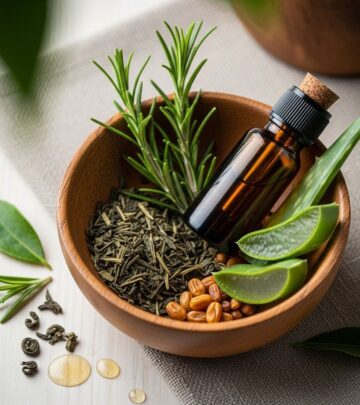
Hair loss—a condition affecting millions worldwide—can have considerable psychological and social impacts. While synthetic drugs like minoxidil and finasteride have long been the mainstay of therapy, concerns over side effects and limited efficacy have prompted increased interest in alternative solutions. Recent research reveals that natural remedies—including plant extracts, oils, and supplements—may offer effective, gentler options for managing and even reversing hair loss.
This article explores the science behind natural hair loss treatments, their mechanisms, evidence of effectiveness, safety profiles, and tips for practical use.
Understanding the Causes of Hair Loss
- Genetic factors (e.g., hereditary androgenetic alopecia)
- Hormonal changes (e.g., thyroid imbalance, pregnancy)
- Nutritional deficiencies (e.g., iron, zinc)
- Chronic disease and medications
- Stress and lifestyle factors
While genetic and hormonal causes predominate, environmental factors such as diet, stress, and chemical exposure also play major roles in hair thinning and loss. For many, the underlying cause may be multifactorial, which is why a holistic treatment strategy often yields the best results.
The Limitations and Risks of Conventional Hair Loss Treatments
Conventional therapies—most notably minoxidil (a topical vasodilator) and finasteride (an oral 5-alpha reductase inhibitor)—can slow hair loss and stimulate regrowth. However, their use may be associated with unpleasant side effects such as scalp irritation, dizziness, allergic reactions, and in the case of finasteride, sexual dysfunction and mood changes.
As the demand grows for safer alternatives, research has increasingly focused on the potential for plant-based and natural remedies.
Promising Natural Remedies for Hair Loss
Many medicinal plants and natural compounds have demonstrated anti-inflammatory, antioxidant, and metabolic benefits that may support hair follicle health and promote regrowth. Below we examine notable natural agents showing therapeutic potential, their mechanisms, and supporting evidence.
Herbal Extracts and Oils with Evidence for Hair Growth
| Natural Remedy | Key Mechanism | Main Evidence | Notable Pros | Limitations |
|---|---|---|---|---|
| Rosemary Oil | Boosts scalp circulation, stimulates follicles | Comparable to 2% minoxidil in studies | Reduces dandruff, soothes itch | Requires long-term consistency |
| Pumpkin Seed Oil | Inhibits 5-alpha reductase, anti-inflammatory | Animal studies support efficacy for androgenic alopecia | Generally well-tolerated | Human trials limited |
| Stinging Nettle | Stimulates dermal papilla cells, improves scalp nutrition | Rich in beta-sitosterol, promotes growth factors | Supports vitamin-deficient individuals | Quality human studies lacking |
| Red Clover | Blocks enzyme converting testosterone to DHT | Reduces inflammation, supports growth in trials | Anti-inflammatory properties | May require combined use with peptides |
| Lavender & Peppermint | Improves scalp health, anti-itch | Preliminary studies suggest benefit | Safe; pleasant aroma | Long-term effects unknown |
| Topical Caffeine | Stimulates follicle metabolism | Shown to enhance growth in topical forms | Enhances energy locally | Product availability variable |
| Melatonin | Antioxidant, may regulate hair growth cycles | Strong evidence for topical use | Minimal side effects | Exact mechanisms not fully understood |
Other Botanicals and Nutrients
- Sage: Antimicrobial, may soothe scalp irritation.
- Hibiscus: Rich in vitamins A and C, evidence for hair strength.
- Aloe Vera: Hydrates scalp, supports healing.
- Tea Tree Oil: Antifungal, reduces dandruff.
Science Behind Natural Remedies: How They Work
Natural remedies for hair loss are thought to help by:
- Stimulating hair follicles for new growth.
- Balancing hormonal activity, such as limiting dihydrotestosterone (DHT) production which causes follicle shrinkage.
- Improving scalp conditions by reducing inflammation and encouraging circulation.
- Supplying antioxidant protection from plant phenolics, vitamins, and minerals.
- Providing antimicrobial and antiallergenic effects to address scalp irritation and infection.
What sets these remedies apart is their ability to work synergistically—improving overall scalp and follicle health and mitigating a wide spectrum of hair loss causes, not just the genetic or androgenic factors.
The Holistic Approach: Combining Remedies for Better Results
Experts advocate a holistic strategy to maximize outcomes, leveraging synergy between oils, botanicals, gentle scalp stimulation, and nutrition. Practical recommendations include:
- Mix rosemary oil with a carrier oil like jojoba or coconut for routine scalp massage.
- Supplement diet with zinc, iron, or biotin if blood tests reveal deficiencies.
- Alternate botanicals such as saw palmetto and pumpkin seed oil through weekly cycles for comprehensive coverage.
- Maintain consistency—several months of routine application are needed to detect visible changes.
Safety Profiles: Fewer Side Effects and Who Should Avoid Them
Natural remedies may offer superior safety compared to synthetic drugs, but they are not entirely risk-free. Most plant-based oils and extracts have a high margin of safety, causing only mild local side effects like irritation when used topically. However, allergic reactions are possible, and improper use may cause contact dermatitis or worsen scalp conditions.
- Individuals with known allergies: Always patch-test before full application.
- Pregnant or breastfeeding individuals: Consult healthcare providers before using new botanicals, as not all are tested for safety in pregnancy.
- People with chronic skin diseases: Seek guidance from a dermatologist prior to starting new topical therapies.
- Medication interactions: Herbal supplements may interact with blood thinners or other drugs—medical advice required.
If in doubt, always consult a medical professional or dermatologist who understands both mainstream and integrative approaches.
Popular Application Methods and Practical Tips
- Scalp massage: Increases blood flow, optimizes absorption of oils.
How: Gently massage selected oils into the scalp for 5–10 minutes daily. - Topical serums and creams: Ready-to-use botanical blends for convenience.
- Dietary supplementation: Incorporate hair-supportive nutrients like vitamin D, biotin, and omega-3 fatty acids through diet or supplements.
- Regular cleansing: Maintain a clean scalp with gentle, sulfate-free products to prevent buildup and irritation.
Frequently Asked Questions (FAQs)
Q: Are natural remedies truly effective for hair loss?
A: Some natural remedies, most notably rosemary oil, show effects comparable to minoxidil in clinical studies, but individual results vary. Consistency and correct application are crucial.
Q: What are the side effects of herbal hair loss treatments?
A: Most are well-tolerated but can cause mild irritation or allergic reactions. Always trial a small skin patch first.
Q: Can diet alone resolve hair loss?
A: Nutritional deficiencies can contribute to hair thinning; correcting these can improve outcomes. However, holistic strategies combining nutrition, topical herbs, and gentle scalp care yield better results.
Q: How long does it take for natural remedies to work?
A: Visible effects typically require at least 3–6 months of regular, consistent use, as hair growth cycles are slow.
Q: Should I stop my current medication to use natural remedies?
A: Never discontinue prescribed medical treatments without consulting your doctor. Natural and medical therapies can sometimes be combined for synergistic benefit.
Key Takeaways: Natural Hair Loss Solutions
- Herbal and plant-based treatments (rosemary, pumpkin seed oil, stinging nettle) show emerging scientific support for promoting hair growth.
- Safety profile: Natural remedies tend to offer gentler, fewer side effects than prescription drugs.
- Success depends on consistency, proper technique, and a holistic approach including nutrition, stress management, and scalp health.
- Consultation with a dermatologist is advised before starting new regimens, especially for those with existing conditions or medications.
- New research and evolving clinical practice are helping natural remedies shift from tradition to science-backed solutions for hair loss.
References
- Key facts and studies were referenced from PubMed, WebMD, GoodRx, MyFreeBird Health, ABC News, Karger, and the Mayo Clinic.
References
- https://www.webmd.com/skin-problems-and-treatments/hair-loss/herbs-help-hair-growth
- https://www.myfreebird.com/blogs/health/natural-remedies-hair-loss
- https://www.goodrx.com/well-being/alternative-treatments/natural-hair-growth-products-remedies
- https://pubmed.ncbi.nlm.nih.gov/37151166/
- https://pmc.ncbi.nlm.nih.gov/articles/PMC11549889/
- https://abcnews.go.com/GMA/Wellness/6-natural-remedies-hair-loss/story?id=104253823
- https://www.mayoclinic.org/diseases-conditions/hair-loss/diagnosis-treatment/drc-20372932
- https://karger.com/sad/article/11/4/360/919386/Herbal-Remedies-for-Hair-Loss-A-Review-of-Efficacy
Similar Articles




Read full bio of Sneha Tete


