
Natural Remedies for Psoriasis
Explore Natural Solutions to Manage Psoriasis Symptoms Effectively
Understanding Psoriasis
Psoriasis is a chronic autoimmune condition characterized by red, scaly patches on the skin, commonly affecting areas such as the elbows, knees, and scalp. It arises when the immune system triggers rapid skin cell growth, leading to an accumulation of dead cells forming scales and plaques.
Traditional Treatment Options
While traditional treatments for psoriasis include topical creams, ultraviolet light therapy, and systemic medications, many people also seek natural remedies to complement these treatments. These natural remedies often focus on reducing inflammation, soothing symptoms, and promoting skin health.
Colloidal Oatmeal
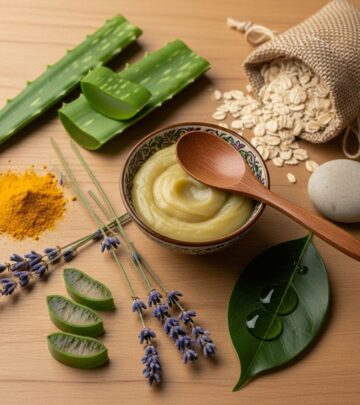
Colloidal oatmeal is a finely ground oatmeal that can be added to bath water or applied as a paste directly to the skin. It is known for its soothing properties and ability to relieve itching and redness associated with psoriasis.
Aloe Vera
Aloe vera gel is renowned for its anti-inflammatory properties and can help reduce redness and scaling associated with psoriasis. It is recommended to use aloe products containing 0.5% aloe vera.
Epsom Salt Baths
Soaking in a warm bath with Epsom salts can help reduce inflammation and remove scales. The magnesium in Epsom salts is believed to aid in this relief.
Tea Tree Oil
Some people find relief from scalp psoriasis by using shampoos with tea tree oil. However, it’s essential to use it cautiously as some individuals may be allergic.
Turmeric
Turmeric, with its active ingredient curcumin, has potent anti-inflammatory and antioxidant properties. It can help minimize psoriasis flares by altering specific cytokine expressions.
Fish Oil and Omega-3 Fatty Acids
Omega-3 fatty acids found in fish oil may help reduce inflammation and promote healthier skin. While not a direct treatment, they support overall skin health.
Apple Cider Vinegar
For scalp psoriasis, apple cider vinegar can be applied to relieve itchiness. It should be diluted with water and applied several times a week to avoid irritation.
Dead Sea Salts
Similar to Epsom salts, Dead Sea salts can be added to baths to ease itching and remove scales from the skin. After bathing, apply moisturizer to prevent dryness.
Capsaicin
Capsaicin, found in chili peppers, can help block pain and reduce inflammation. However, more research is needed to confirm its effectiveness for psoriasis.
Indigo Naturalis
Studies have shown that indigo naturalis, derived from traditional Chinese medicine, can significantly alleviate psoriasis symptoms by reducing inflammation and scaling.
Mahonia Aquifolium (Oregon Grape)
Topical creams containing 10% mahonia are effective in treating mild to moderate psoriasis due to their antimicrobial properties. However, they should be used under medical supervision.
Benefits of Natural Remedies for Psoriasis
Natural remedies offer several benefits, including gentler treatment options, fewer side effects compared to traditional medications, and the potential to complement existing treatments effectively. However, it’s crucial to consult with a healthcare professional before starting any new remedy, especially if you’re currently undergoing medical treatment.
Challenges and Considerations
While natural remedies can be beneficial, they may not be as effective for severe cases of psoriasis. Additionally, some remedies might interact with medications or cause allergic reactions, highlighting the importance of consulting a healthcare provider.
Frequently Asked Questions (FAQs)
Q: What are the most effective natural remedies for psoriasis?
A: Colloidal oatmeal, aloe vera, Epsom salts, and turmeric are among the most effective natural remedies for managing psoriasis symptoms.
Q: How often should I use natural remedies for psoriasis?
A: It depends on the remedy. For example, aloe vera can be applied up to three times a day, while oatmeal baths are typically used once or twice a week. Consult a healthcare provider for personalized advice.
Q: Can natural remedies replace medical treatment for psoriasis?
A: While natural remedies can complement medical treatment, they may not be sufficient for severe cases. Always consult with a healthcare provider to ensure a comprehensive treatment plan.
References
- https://health.clevelandclinic.org/home-remedies-for-psoriasis
- https://www.medicalnewstoday.com/articles/314525
- https://www.mayoclinic.org/diseases-conditions/psoriasis/diagnosis-treatment/drc-20355845
- https://www.dulyhealthandcare.com/health-topic/at-home-natural-remedies-for-psoriasis
- https://www.psoriasis.org/integrative-approaches-to-care/
- https://pmc.ncbi.nlm.nih.gov/articles/PMC10229448/
- https://www.nhs.uk/conditions/psoriasis/treatment/
Similar Articles




Read full bio of Sneha Tete


