
Natural Remedies for Constipation: Relief That Works
Discover proven natural solutions to relieve constipation and restore digestive comfort
Constipation affects millions of people worldwide, causing discomfort, bloating, and frustration. While over-the-counter medications are readily available, many individuals prefer natural approaches to restore digestive regularity. Understanding how to relieve constipation naturally empowers you to take control of your digestive health without relying on pharmaceutical interventions.
This comprehensive guide explores proven natural remedies that can help alleviate constipation and promote healthy bowel movements. From dietary modifications to lifestyle adjustments, these strategies work with your body’s natural processes to restore digestive comfort and prevent future episodes.
Understanding Constipation
Constipation occurs when bowel movements become infrequent or difficult to pass, typically defined as having fewer than three bowel movements per week. The condition manifests through various symptoms including hard or lumpy stools, straining during bowel movements, a sensation of incomplete evacuation, and abdominal discomfort or bloating.
Several factors contribute to constipation, including inadequate fiber intake, insufficient fluid consumption, lack of physical activity, certain medications, and ignoring the urge to have a bowel movement. Pregnancy, aging, and specific medical conditions can also increase susceptibility to constipation. Recognizing these contributing factors helps identify which natural remedies will be most effective for your situation.
The Power of Dietary Fiber
Dietary fiber stands as one of the most effective natural remedies for constipation relief and prevention. Fiber adds bulk to stool and helps it retain moisture, making bowel movements softer and easier to pass. Despite its importance, only approximately 3% of people consume the recommended daily fiber intake of 22 to 34 grams.
Soluble fiber dissolves in water and forms a gel-like substance that softens stool and promotes smooth passage through the digestive tract. Excellent sources include oatmeal, which allows more water to remain in the stool, making it larger and easier to pass. Chia seeds provide another powerful option, packed with soluble fiber along with calcium and omega-3 fatty acids. Adding two tablespoons of chia seeds to smoothies, yogurt, or oatmeal can significantly improve digestive function.
Insoluble fiber doesn’t dissolve in water but adds bulk to stool and helps it move through the intestines more efficiently. Whole-wheat pasta, whole-wheat bread, vegetables, and certain nuts and seeds provide abundant insoluble fiber. Beans deserve special mention as they contain both soluble and insoluble fiber, creating an ideal combination that helps stool move through the intestines effectively.
When increasing fiber intake, proceed gradually to allow your digestive system to adjust. Aim to incorporate 5 to 10 grams of fiber at each meal, working up to approximately 25 grams daily for women and 30 grams for men. Sudden dramatic increases in fiber consumption can cause bloating and gas, so patience and consistency yield the best results.
Hydration: The Essential Component
Water consumption works hand in hand with fiber to promote healthy bowel movements. Adequate hydration ensures that fiber can perform its function effectively, as fiber needs fluid to create soft, bulky stools that pass easily through the digestive system. Without sufficient water, increased fiber intake can actually worsen constipation.
Aim to drink at least 64 ounces of water daily, though individual needs vary based on body size, activity level, and climate. Plain water provides the best hydration, but other beverages contribute to your daily fluid intake as well. Coffee and tea, despite their diuretic properties, still provide net hydration benefits. Fresh juices and water-rich fruits and vegetables also count toward your hydration goals.
Consider starting your day with a glass of water mixed with the juice of half a lemon. This cleansing combination encourages bowel movements and provides vitamin C. If you choose this remedy, drinking through a straw protects tooth enamel from acidic erosion with regular use. Some people find that warm or hot beverages stimulate bowel activity more effectively than cold drinks.
Fruit-Based Natural Remedies
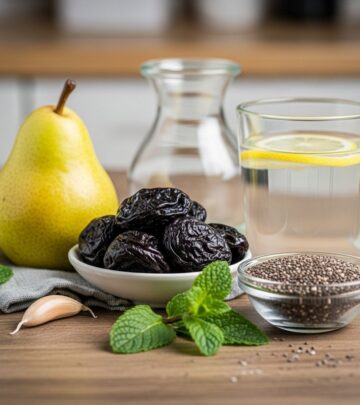
Prunes and prune juice have earned their reputation as traditional constipation remedies through proven effectiveness. Each prune contains approximately 1 gram of fiber, making them a concentrated fiber source. More importantly, prunes contain high levels of sorbitol and fructans, natural compounds that have laxative effects. Sorbitol passes through the gut undigested, drawing water into the intestines, which bulks up stool and stimulates bowel movements. While prune juice lacks the fiber content of whole dried prunes, both options effectively relieve constipation.
Apples and pears contain impressive levels of fiber, fructose, and sorbitol, making them popular choices for promoting bowel movements. Their high water content further aids digestion and prevents constipation. For maximum benefit, consume these fruits raw with their skins intact, as the peel contains concentrated fiber.
Kiwis offer unique digestive benefits through their content of actinidin, an enzyme that promotes movement in the upper gastrointestinal tract. This mild natural remedy is generally well-tolerated and provides vitamin C alongside digestive support.
Berries, particularly raspberries and blackberries, combine high fiber and water content to ease constipation effectively. One cup of raspberries delivers 8 grams of fiber, double the amount found in strawberries. These versatile fruits can be sprinkled on yogurt, blended into smoothies, added to salads, or enjoyed as a standalone snack. Always wash berries thoroughly before consuming them raw.
Stewed apricots provide a delicious and effective constipation remedy. Prepare them by de-stoning and halving fresh apricots, then cooking them in a saucepan with 2-3 tablespoons of brown sugar and two tablespoons of water over low-medium heat. Stew until softened, remove from heat, and allow to cool with the lid on. These make an excellent breakfast accompaniment to yogurt and granola.
Grapes serve as both a delicious snack and natural fiber source, containing compounds that support digestive health and regular bowel movements.
Oils and Fats for Digestive Lubrication
Olive oil acts as a natural lubricant in the digestive system, helping solids slide through more easily while softening stool for complete bowel emptying. Consuming one teaspoon of olive oil on an empty stomach in the morning can encourage stool flow through the gut. This simple remedy has been used for generations with consistent results.
Omega-3 oils provide similar lubrication benefits for intestinal walls. These beneficial fats are found in fish oil, flaxseed oil, and hemp seed oil. Incorporating omega-3-rich foods into your diet—including fatty fish, avocados, hemp products, and flaxseed—naturally increases your intake of these helpful oils. If dietary sources prove insufficient, omega-3 supplements are widely available and can effectively address constipation while providing numerous other health benefits.
Fermented Foods and Probiotics
Yogurt and kefir contain probiotics—beneficial bacteria that support digestive health and help relieve constipation by softening stools. These fermented dairy products improve overall gut health, creating an environment conducive to regular bowel movements. Choose products with live active cultures for maximum probiotic benefit.
Sauerkraut represents a less commonly known but highly effective natural remedy for constipation. This fermented cabbage contains probiotic bacteria that may help reduce constipation while supporting overall digestive function. The fermentation process creates beneficial compounds that promote a healthy gut microbiome.
Seeds, Legumes, and Whole Grains
Pulses—including lentils, beans, peas, and chickpeas—provide exceptional fiber content alongside other nutrients that encourage bowel movements. These nutrient-dense foods contain zinc, folate, potassium, and vitamin B6, all of which support digestive health. Aim to include three servings of beans weekly to prevent constipation and maintain regularity.
Oatmeal delivers substantial soluble fiber that creates softer, larger stools that pass more easily. Starting your day with a bowl of oatmeal establishes a foundation for digestive health while providing sustained energy.
Whole grains generally contain more fiber than their refined counterparts. Choose whole-wheat bread and pasta over white varieties, and select brown rice instead of white rice. These simple substitutions significantly increase daily fiber intake without requiring dramatic dietary changes.
Herbs and Natural Stimulants
Fennel serves as a mild, pleasant-smelling natural laxative. Fennel seeds help stools move through the colon by increasing gastric enzymes in the digestive system. You can add roasted fennel to warm water for a soothing evening drink that promotes morning bowel movements.
Lemon juice provides a gentle cleansing effect that encourages digestive activity. The combination of warm water and fresh lemon juice stimulates the digestive system, particularly when consumed first thing in the morning and before bed. The acidic nature of lemon juice may help break down food more efficiently and promote peristalsis—the wave-like muscle contractions that move food through the digestive tract.
Lifestyle Modifications for Constipation Relief
Beyond dietary changes, several lifestyle modifications can significantly impact bowel regularity. Physical activity plays a crucial role in maintaining healthy digestion. Your gut is a muscle that needs movement to function optimally. Regular exercise stimulates intestinal contractions and helps move stool through the digestive system more efficiently. Even moderate activity like walking for 20-30 minutes daily can make a substantial difference.
Establishing a bathroom routine helps train your body to have regular bowel movements. Many people find success by setting aside time after breakfast when the gastrocolic reflex—the body’s natural urge to have a bowel movement after eating—is strongest. Never ignore the urge to go, as postponing bowel movements can worsen constipation over time.
Proper positioning during bowel movements can also facilitate easier passage. Using a footstool to elevate your feet while sitting on the toilet creates a squatting position that aligns the rectum more favorably for elimination. This simple adjustment can make a noticeable difference in bowel movement ease and completeness.
Stress management shouldn’t be overlooked, as stress and anxiety can significantly impact digestive function. The gut-brain connection means that emotional stress often manifests as digestive disturbances, including constipation. Incorporating relaxation techniques such as deep breathing, meditation, or yoga can help regulate both stress levels and digestive function.
When to Seek Medical Attention
While natural remedies effectively address most cases of occasional constipation, certain situations warrant professional medical evaluation. Consult a healthcare provider if constipation persists despite trying natural remedies, if you experience severe abdominal pain, if you notice blood in your stool, or if constipation alternates with diarrhea. Unexplained weight loss, persistent bloating, or a significant change in bowel habits should also prompt medical consultation.
Chronic constipation may indicate underlying conditions such as irritable bowel syndrome, hypothyroidism, or other digestive disorders that require specific treatment approaches. Additionally, certain medications can cause constipation as a side effect, and your healthcare provider may be able to adjust your prescriptions or recommend appropriate interventions.
Creating Your Constipation Relief Plan
Successfully managing constipation requires a comprehensive approach that combines multiple natural strategies. Begin by assessing your current fiber and fluid intake, then gradually increase both while monitoring your body’s response. Introduce one or two new remedies at a time to identify which approaches work best for your individual needs.
Keep a food and symptom diary to track what you eat, how much water you drink, your physical activity level, and your bowel movement patterns. This information helps identify effective strategies and potential triggers that worsen constipation. Remember that consistency matters more than perfection—small daily improvements in diet and lifestyle accumulate into significant long-term benefits.
Most people notice improvement within a few days to a week of implementing natural constipation remedies, though individual results vary. Patience and persistence are essential, as your digestive system needs time to adjust to dietary and lifestyle changes. If one remedy doesn’t provide relief, don’t become discouraged—try different combinations until you find the approach that works for your body.
Frequently Asked Questions
Q: How quickly do natural remedies work for constipation?
A: Most natural remedies begin working within 12 to 72 hours, though timing varies based on the individual and the specific remedy used. Prunes and prune juice often produce results within 12-24 hours, while dietary fiber increases may take several days to show full effects.
Q: Can I use multiple natural remedies together?
A: Yes, combining natural remedies often produces better results than using a single approach. Pairing increased fiber intake with adequate hydration, for example, creates synergistic effects. However, introduce changes gradually to avoid digestive discomfort.
Q: How much prune juice should I drink for constipation?
A: Start with 4-8 ounces of prune juice daily, preferably in the morning. You can adjust the amount based on your response, but avoid excessive consumption as this may cause diarrhea or abdominal cramping.
Q: Are natural remedies safe during pregnancy?
A: Most natural remedies including increased fiber, hydration, and safe fruits are appropriate during pregnancy. However, pregnant women should consult their healthcare provider before using any new remedies, as some herbs and supplements may not be suitable.
Q: Why do I still have constipation despite drinking lots of water?
A: Water alone may not resolve constipation if you’re not consuming adequate fiber. Fiber and fluids work together—fiber needs water to create soft, bulky stools. Ensure you’re getting 25-30 grams of fiber daily along with proper hydration.
Q: Can too much fiber cause constipation?
A: Yes, dramatically increasing fiber intake too quickly, especially without adequate hydration, can worsen constipation. Increase fiber gradually over several weeks and ensure you’re drinking plenty of water to help fiber work effectively.
Q: How long should I try natural remedies before seeing a doctor?
A: If natural remedies don’t provide relief within one to two weeks, or if you experience severe symptoms like intense pain or blood in your stool, consult a healthcare provider. Chronic constipation lasting more than three weeks warrants medical evaluation.
Q: Do probiotics really help with constipation?
A: Yes, probiotics found in yogurt, kefir, and sauerkraut can help relieve constipation by improving gut health and softening stools. Regular consumption of probiotic-rich foods supports overall digestive function and may prevent future constipation episodes.
References
- https://www.bladderandbowel.org/bowel/bowel-treatments/8-remedies-to-relieve-constipation-bladder-bowel-community/
- https://www.templehealth.org/about/blog/doctor-approved-home-remedies-constipation
- https://www.cedars-sinai.org/blog/constipation-relief.html
- https://www.piedmont.org/living-real-change/5-foods-that-relieve-constipation
- https://www.medicalnewstoday.com/articles/318694
- https://www.mayoclinic.org/diseases-conditions/constipation/diagnosis-treatment/drc-20354259
- https://www.health.harvard.edu/newsletter_article/natural-ways-to-relieve-constipation
- https://www.nhs.uk/conditions/constipation/
- https://www.youtube.com/watch?v=wsGIohrVfrU
Similar Articles





Read full bio of Sneha Tete


