
Natural Home Remedies for Fevers: Safe Ways to Bring Down a Fever
Discover science-backed and traditional home remedies for managing fevers safely, naturally, and effectively for optimal recovery.

Fever, while uncomfortable, is a natural immune response to infection or illness. Most fevers resolve on their own as the body fights off viruses or bacteria, but their symptoms can cause discomfort and disrupt daily life. This comprehensive guide explores proven natural and home remedies to lower fever, ease discomfort, and support recovery—while highlighting when to seek medical help.
Understanding Fever: What Does Having a Fever Mean?
A fever is typically defined as a temporary increase in body temperature, often due to an infection. Most healthy individuals have a body temperature between 36.5°C and 37.5°C (97.7°F and 99.5°F). A temperature above 38°C (100.4°F) is generally considered a fever.
Fever itself is a sign that your body is defending against pathogens. Most fevers are not dangerous but can signal underlying illness that needs monitoring.
Symptoms That Often Accompany a Fever
- Chills or shivering
- Sweating
- Headache
- Muscle aches
- Loss of appetite
- Dehydration
- General weakness or fatigue
Essential First Steps for Managing a Fever at Home
- Monitor your temperature. Use a reliable digital thermometer to track your fever.
- Assess for serious symptoms. Seek medical attention if you experience chest pain, breathing difficulties, confusion, seizures, or the fever lasts more than 3 days in adults or 1 day in infants.
Proven Natural Remedies to Reduce Fever
1. Hydration: Drink Plenty of Fluids
Hydration is the foundation of fever management. When your body temperature rises, you lose fluids through sweat—potentially leading to dehydration. Drinking ample water, herbal teas, clear broths, and diluted juices can help regulate temperature, replace lost fluids, and accelerate your recovery.
Tips:
- Sip small amounts of water frequently, especially for children or those with nausea.
- Include electrolyte-rich fluids like oral rehydration solutions or coconut water if sweating is profuse.
- Avoid caffeinated, alcoholic, or sugary drinks, which can worsen dehydration.
2. Herbal Teas: Traditional Remedies to Promote Sweating & Comfort
Certain herbal teas have long been used to gently manage fevers and their symptoms:
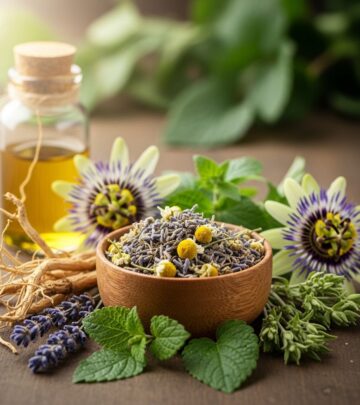
- Yarrow Tea: Yarrow is said to open pores and encourage sweating, potentially speeding up fever resolution.
Recipe: Steep 1 tablespoon of dried yarrow in a cup of boiling water for 10 minutes. Let cool, then drink one or two cups until sweating begins. - Elderflower Tea: Elderflower tea not only promotes sweating but also helps with excess mucus, making it useful during colds and flu.
Recipe: Steep 2 teaspoons of dried elderflower in a cup of boiling water for 15 minutes. Strain and drink up to three times a day during fever. - Elderberry: Elderberries are rich in antioxidants and immune-boosting compounds. While usually taken as syrups or extracts for flu symptoms, their tea can also be soothing.
Note: Always consult with a healthcare professional before trying new herbs, especially for pregnant people, children, or those on medications.
3. Cooling Measures: Lukewarm Baths, Sponging, and Wet-Sock Treatment
- Lukewarm Bath: Soaking in a lukewarm bath for 10–15 minutes can gently lower body temperature. Avoid cold water, as it can cause chills and discomfort.
- Sponging: Use a soft washcloth or sponge dampened with lukewarm water (not ice-cold) to wipe the forehead, neck, armpits, and groin. This helps dissipate heat from major blood vessels and can be especially useful for confined or bed-bound individuals.
- Wet-Sock Treatment: A long-standing naturopathic remedy. Soak a thin pair of cotton socks in cold water, wring them out, then put them on just before bed. Cover with dry wool socks. This method is believed to draw blood to the feet, improve circulation, and encourage the body’s natural fever-fighting efforts.
- Mustard Footbath: Add 2 teaspoons of mustard powder to a basin of 4 cups hot water and soak your feet. Mustard draws blood to the feet, increasing circulation and potentially reducing body temperature.
4. Create a Cool and Comfortable Environment
- Wear lightweight, breathable clothing.
- Use light bedding or a single sheet, even if you have chills. Over-bundling can trap heat and worsen fever.
- Keep your room cool and well-ventilated. A fan may help if the air is stagnant.
- Apply a cool compress to your forehead or the back of your neck for short-term relief.
5. Rest: Let Your Immune System Work
Your body fights infections most efficiently when it receives ample rest. Prioritize sleep, minimize strenuous activities, and allow your body to direct its energy toward recovery. Taking frequent naps and resting with eyes closed can make a significant difference.
6. Eat Light, Nutritious Foods as Tolerated
Appetite typically decreases during fever. Eat small, easy-to-digest meals when you feel hungry. Ideal foods include:
- Chicken or vegetable broth
- Oatmeal
- Plain rice or rice porridge
- Boiled or steamed vegetables
- Soft fruits (bananas, applesauce)
Do not force large meals; focus on hydration if eating feels difficult.
7. Try Cautious Use of Herbal and Alternative Remedies
- Moringa: Preliminary animal research suggests that moringa bark may have fever-reducing effects, but human evidence is limited. Avoid moringa if pregnant or on certain medications.
- Kudzu root: Widely used in traditional Chinese medicine for its anti-inflammatory and fever-reducing properties; consult a healthcare provider before use, especially if on other medications or managing chronic conditions.
Table: Quick Reference of Natural Fever Remedies
| Remedy | Benefits | Precautions |
|---|---|---|
| Hydration (water, herbal teas, broths) | Prevents dehydration, helps regulate temperature | Avoid sugary/diuretic drinks |
| Lukewarm bath/sponging | Lowers temperature, comfort | Never use cold/ice water |
| Yarrow/Elderflower tea | Encourages sweating, soothes symptoms | Consult doctor if pregnant, breastfeeding, or on medication |
| Wet-sock remedy | Draws blood to feet, increases circulation | Ensure feet are warmed before applying |
| Rest | Optimizes immune response | Limit activities until fever subsides |
| Moringa/Kudzu root | Traditional herbal fever relief (anecdotal/early research) | Consult physician before use |
Expert Tips for Managing a Fever at Home
- Take your temperature regularly with a digital thermometer to monitor changes and guide decisions about treatment.
- If fever persists more than 3 days in adults (or more than 24 hours in young children), or if symptoms worsen, consult a doctor.
- Do not use cold baths, ice packs, or alcohol rubs—these may lower skin temperature too rapidly, leading to chills or other risks.
- Avoid over-bundling or heavy clothing, even if chilly, as it may trap body heat and prolong fever.
- Never give aspirin to children or adolescents due to the risk of Reye’s syndrome. Use child-appropriate, doctor-recommended medications if needed.
When to Seek Medical Attention
- Infants under 3 months with a rectal temperature above 38°C (100.4°F)
- Children with persistent fever, lethargy, vomiting, dehydration, or convulsions
- Adults with fever above 39.4°C (103°F) lasting longer than three days, or accompanied by complications (confusion, difficulty breathing, chest pain, seizures)
- Any severe or worsening symptoms, regardless of age
Frequently Asked Questions (FAQs)
Q: Can a fever be helpful for my body?
A: Yes. Fever is a natural immune response. It helps the body fight infections, though high fevers or prolonged fever can be dangerous, especially for the very young, elderly, or chronically ill.
Q: What drinks are best to manage dehydration during fever?
A: Water, electrolyte solutions, herbal teas, clear broths, and diluted fruit juices are effective. Avoid diuretic drinks or excessive caffeine.
Q: Are herbal teas safe for children with fever?
A: Herbal teas should be used cautiously in children. Always consult with a pediatrician before giving any new herbal remedies to children.
Q: Should I try to sweat out a fever?
A: While some herbal teas may encourage gentle sweating, deliberately overheating your body with heavy blankets or extra clothing is not advised. Focus instead on hydration and comfort.
Q: When should I use medication for fever?
A: Over-the-counter medications like acetaminophen or ibuprofen may help lower fever and provide comfort if fever is high or causing discomfort. Do not exceed recommended doses, and consult a doctor if unsure.
Key Takeaways
- Fever is a common symptom indicating the body’s immune response, often not requiring medication unless severe or prolonged.
- Natural fever remedies focus on hydration, rest, gentle cooling, herbal teas (evidence is limited), and comfort measures.
- Do not use ice baths, alcohol rubs, or excessive heat to manage fever.
- Always seek professional help if fever is persistent, especially in children, the elderly, or those with chronic illness.
References
- Based on medical and wellness advice from Best Health Magazine, Mayo Clinic, Healthline, and other reputable health sources.
References
- https://www.besthealthmag.ca/article/natural-home-remedies-for-fevers/
- https://www.henryford.com/Blog/2024/01/Home-Remedies-For-A-Fever
- https://www.besthealthmag.ca/article/natural-home-remedies-colds-and-flu/
- https://www.healthline.com/health/viral-fever-home-remedies
- https://www.bswhealth.com/blog/how-to-break-a-fever
- https://newsnetwork.mayoclinic.org/discussion/home-remedies-fighting-a-fever/
- https://www.piedmont.org/living-real-change/9-natural-cold-and-flu-remedies
- https://www.medicinenet.com/how_do_you_break_a_fever_naturally/article.htm
- https://www.pihealthcancerhospital.com/blog/top-home-remedies-to-reduce-fever-naturally/
- https://www.mayoclinic.org/diseases-conditions/common-cold/in-depth/cold-remedies/art-20046403
Similar Articles





Read full bio of medha deb


