
How to Get a Smooth Face Using Home Remedies
Discover natural, effective home remedies for achieving silky smooth facial skin
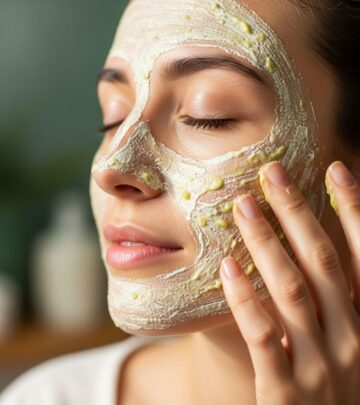
Achieving smooth, radiant facial skin doesn’t always require expensive spa treatments or high-end skincare products. Your kitchen and bathroom likely contain powerful natural ingredients that can transform rough, uneven skin into a silky-smooth complexion. Home remedies have been used for centuries across different cultures, and modern science continues to validate many of these traditional treatments. This comprehensive guide explores proven methods to achieve smooth facial skin using accessible, natural ingredients and simple techniques.
Understanding What Causes Rough Skin Texture
Before diving into remedies, it’s important to understand why skin becomes rough or uneven. Several factors contribute to textural issues including dead skin cell buildup, dehydration, sun damage, pollution exposure, and natural aging processes. Environmental stressors create free radicals that damage skin cells, while lifestyle factors like poor nutrition, inadequate sleep, and chronic stress accelerate these problems. When dead skin cells accumulate on the surface without proper exfoliation, they create a dull, rough appearance. Additionally, reduced collagen production as we age leads to loss of firmness and smoothness. Understanding these underlying causes helps you choose the most effective remedies for your specific concerns.
Building a Foundation for Smooth Skin
Achieving smooth facial skin starts with establishing healthy lifestyle habits that support skin health from within. Your skin reflects your overall health, with research showing that dietary and lifestyle factors account for up to 40% of visible skin texture issues. A comprehensive approach addresses nutrition, hydration, sleep quality, and stress management simultaneously for optimal results.
Nutrition plays a crucial role in skin smoothness. Consuming antioxidant-rich foods daily, including berries, leafy greens, and colorful vegetables, protects against free radical damage that roughens skin texture. Incorporating omega-3 fatty acids from wild salmon, walnuts, chia seeds, and flaxseeds reduces inflammation and strengthens the skin barrier function. Proper hydration is equally important—aim for half your body weight in ounces of water daily to maintain skin moisture from the inside out. Meanwhile, limiting inflammatory foods like ultra-processed items, added sugars, and excessive alcohol prevents additional stress on your skin.
Sleep and stress management are often overlooked but essential components. During 7-9 hours of quality sleep each night, your skin undergoes repair and regeneration processes that directly impact texture. Regular moderate exercise increases blood flow, delivering vital nutrients to skin cells while removing toxins. Managing chronic stress is equally critical, as elevated cortisol levels break down collagen, the protein responsible for skin firmness and smoothness. You’ll typically notice improvements in skin texture within 2-3 weeks of maintaining these consistent healthy habits.
Natural Ingredients That Transform Skin Texture
Aloe Vera for Smoothing and Healing
Aloe vera stands as one of nature’s most powerful skin-smoothing ingredients. This succulent plant contains bioactive compounds that promote healing, reduce inflammation, and stimulate collagen production. Research demonstrates that aloe vera extract supplements combined with lactic acid can smooth wrinkles and boost collagen production by up to 140%. Studies involving women aged 30-55 found that 12 weeks of daily aloe vera gel extract supplementation improved skin moisture and collagen production significantly.
To harness aloe vera’s benefits, extract fresh gel from an aloe vera leaf and apply it directly to your face. Leave the gel on for 10-15 minutes before rinsing with cool water. For enhanced results, combine aloe vera with other complementary ingredients. A cucumber and aloe vera mask provides exceptional hydration—blend half an unpeeled cucumber, strain the juice, mix with 2 tablespoons of aloe vera gel, apply to your face for 15 minutes, then rinse with cold water. This combination soothes irritation while delivering deep moisture for noticeably smoother skin.
Honey for Moisture Retention and Anti-Aging
Honey functions as a natural humectant, meaning it attracts and retains moisture in the skin, creating a softer, more supple texture. Beyond hydration, honey contains powerful antioxidants that reduce inflammation and combat visible signs of aging. Its antimicrobial properties also help prevent breakouts that can create uneven skin texture. Raw, unprocessed honey offers the highest concentration of beneficial enzymes and nutrients.
Apply a thin layer of raw honey directly to clean facial skin and leave it on for 10-15 minutes before rinsing with warm water. For a more intensive treatment, mix 1 tablespoon of raw honey with 3-4 drops of grapeseed oil and 1 tablespoon of shea butter. This combination creates an overnight moisture mask particularly effective during dry winter months. Shea butter, enriched with vitamins A and E, locks in moisture while honey nourishes and smooths the skin surface.
Lemon Juice for Brightness and Tightening
Lemon juice acts as a natural astringent that tightens and brightens skin while addressing texture irregularities. Rich in vitamin C, lemon juice boosts collagen production and reduces the appearance of fine lines and wrinkles that create uneven texture. However, lemon juice is highly acidic and must be diluted to prevent irritation. Mix fresh lemon juice with equal parts water and apply to your face using a cotton ball. Leave on for 10-15 minutes maximum before rinsing thoroughly with cool water. Always apply sunscreen after using lemon juice, as it can increase photosensitivity. This treatment works best when used once or twice weekly rather than daily.
Yogurt for Gentle Exfoliation
Yogurt contains lactic acid, an alpha hydroxy acid that gently exfoliates dead skin cells while brightening the complexion. It also provides probiotics that promote a healthy skin microbiome, which contributes to overall skin health and smooth texture. The creamy texture of yogurt makes it easy to apply and soothing on sensitive skin. Apply a thin layer of plain, unsweetened yogurt to your face and leave it on for 10-15 minutes before rinsing with warm water. For enhanced exfoliation, mix yogurt with a small amount of ground oatmeal to create a gentle scrub that buffs away dead cells without causing micro-tears in the skin.
Powerful Face Masks for Smooth Skin
Banana Mask for Nourishment
Bananas contain natural oils and essential nutrients including potassium, vitamin B6, vitamin C, and traces of vitamin A that collectively boost skin health and smoothness. The soft texture of mashed banana makes it an ideal base for face masks. To create a banana mask, mash one quarter of a ripe banana until it becomes a smooth, lump-free paste. Apply a thin, even layer to clean facial skin and allow it to sit for 15-20 minutes. The nutrients penetrate the skin while the paste gently tightens pores. Rinse thoroughly with warm water and follow with your regular moisturizer. This treatment can be repeated 2-3 times weekly for best results.
Avocado Mask for Deep Hydration
Avocado delivers vitamins, antioxidants, and healthy fats that nourish and rejuvenate skin while addressing dryness that contributes to rough texture. The oleic acid in avocado penetrates deeply to hydrate and plump the skin, reducing the appearance of fine lines and creating a smoother surface. Mash one-quarter to one-half of a ripe avocado until completely smooth with no chunks remaining. Apply the creamy paste to your face, avoiding the eye area, and leave on for 10-15 minutes. The natural oils absorb into your skin, delivering moisture and nutrients. Rinse with warm water and gently pat dry. This intensely hydrating treatment particularly benefits dry or mature skin types.
Turmeric and Yogurt Mask
Turmeric functions as a natural anti-inflammatory that reduces redness and irritation while protecting skin against free radical damage through its antioxidant properties. Combined with yogurt’s exfoliating lactic acid, this mask addresses multiple texture concerns simultaneously. Mix a small amount of turmeric powder (approximately 1/4 teaspoon) with 2 tablespoons of plain yogurt to form a smooth paste. Apply to your face and leave on for 10-15 minutes. Be aware that turmeric can temporarily stain skin yellow, so use sparingly and rinse thoroughly. This mask brightens dull skin, evens tone, and smooths texture through gentle exfoliation and anti-inflammatory action.
The Art of Proper Exfoliation
Regular exfoliation removes the buildup of dead skin cells that creates rough texture while stimulating healthy cell turnover for naturally smoother skin. However, over-exfoliation or using harsh methods can damage your skin barrier and worsen texture problems. The key lies in finding the right balance for your skin type.
Frequency matters significantly—limit exfoliation to 1-2 times per week maximum. More frequent exfoliation can strip natural oils and compromise your skin’s protective barrier. Choose between gentle physical exfoliants or mild chemical exfoliants containing alpha hydroxy acids (AHAs) or beta hydroxy acids (BHAs). When using physical exfoliation, employ light circular motions for no more than 30 seconds, avoiding any scrubbing or harsh pressure.
Technique determines results. Always exfoliate clean, damp skin using gentle pressure. Avoid harsh scrubs containing jagged particles like crushed walnut shells, which create micro-tears that actually worsen skin texture over time. Instead, opt for fine-grain scrubs or sugar-based exfoliants. After exfoliating, immediately apply moisturizer to lock in hydration and support the newly exposed skin cells. If you have sensitive skin, start with exfoliation once every 10 days and gradually increase frequency as your skin adapts. Noticeable improvements in skin smoothness typically appear after 3-4 weeks of consistent, proper exfoliation.
Essential Oils and Natural Moisturizers
Coconut Oil for Deep Nourishment
Coconut oil contains medium-chain fatty acids that hydrate and nourish skin while delivering antioxidants that reduce inflammation and combat aging signs. Its molecular structure allows it to penetrate deeply, providing lasting moisture that improves texture. Apply a small amount of virgin coconut oil to your face and massage gently for a few minutes using circular motions. Leave on for 10-15 minutes before rinsing with warm water, or use as an overnight treatment for extremely dry skin. Note that coconut oil may be comedogenic for some skin types, so test on a small area first if you’re prone to breakouts.
Green Tea Treatment
Green tea provides powerful antioxidants that reduce inflammation and protect skin against free radical damage. It contains caffeine that stimulates circulation and reduces puffiness, contributing to improved skin texture and tone. Steep a green tea bag in hot water for several minutes, remove and allow it to cool completely. Apply the cooled tea bag directly to your face and leave on for 10-15 minutes, or use the cooled tea as a facial toner by applying with a cotton pad. The polyphenols in green tea support collagen production and protect against environmental damage that roughens skin texture.
Lifestyle Habits That Support Smooth Skin
Beyond topical treatments, certain daily habits significantly impact facial skin smoothness. Protecting your skin from sun damage is paramount—UV exposure breaks down collagen and elastin, creating rough texture and premature aging. Apply broad-spectrum sunscreen daily, even on cloudy days, and reapply every two hours when outdoors. Wear protective clothing and seek shade during peak sun hours.
Managing stress through meditation, yoga, or other relaxation techniques prevents cortisol-induced collagen breakdown. Regular exercise increases blood flow to skin cells, delivering oxygen and nutrients while removing waste products. Aim for at least 30 minutes of moderate activity most days of the week. Avoid smoking and limit alcohol consumption, as both dehydrate skin and accelerate aging processes that roughen texture.
Maintaining consistent skincare routines maximizes results. Cleanse your face twice daily with a gentle cleanser appropriate for your skin type. Pat skin dry rather than rubbing, which can cause irritation and inflammation. Apply treatments and moisturizers to slightly damp skin to seal in hydration. Change pillowcases regularly to prevent bacterial buildup that can cause breakouts and textural issues.
Creating Your Personalized Smooth Skin Routine
Developing an effective routine requires understanding your specific skin type and concerns. Dry skin benefits most from hydrating ingredients like honey, avocado, and coconut oil. Oily skin responds well to astringent treatments like lemon juice and clay-based masks. Sensitive skin requires gentler approaches using soothing ingredients like aloe vera and cucumber. Combination skin may need different treatments for various facial zones.
Start with a basic routine and gradually introduce new remedies, testing each for at least two weeks before adding another. This approach helps you identify which treatments work best for your skin. A sample weekly routine might include: cleansing morning and night daily, exfoliating twice weekly, applying a nourishing mask once or twice weekly, and using targeted treatments like aloe vera or honey 3-4 times weekly. Always follow treatments with appropriate moisturizer and daily sunscreen application.
Track your progress by taking photos under consistent lighting conditions every two weeks. This documentation helps you objectively evaluate which remedies produce the best results for your skin. Be patient—natural remedies typically require 4-6 weeks of consistent use before delivering optimal results. Most people notice initial improvements within 2-3 weeks, with continued enhancement over subsequent months.
Superfoods for Smooth Skin from Within
What you eat directly impacts your skin’s appearance and texture. Research examining the diets of older adults found that men with healthy eating habits had fewer wrinkles, while women who consumed more fruit had fewer wrinkles than those eating more meat and snack foods. Incorporating superfoods into your daily diet supports smooth skin from within.
Key superfoods for smooth skin include: artichokes, which contain antioxidants that protect against cellular damage; avocados, providing healthy fats and vitamin E; chia seeds, delivering omega-3 fatty acids; cinnamon, which has anti-inflammatory properties; egg whites, offering protein for collagen production; ginger, reducing inflammation; oatmeal, providing zinc and silicon; salmon and sardines, supplying omega-3s and astaxanthin; sweet potatoes, rich in beta-carotene; tomatoes, containing lycopene; and walnuts, offering omega-3s and vitamin E.
Incorporate these foods regularly rather than consuming them sporadically. Create smoothies combining berries, chia seeds, and leafy greens. Prepare salmon or sardines twice weekly. Snack on walnuts and have sweet potato as a side dish. These dietary changes work synergistically with topical treatments to produce comprehensive improvements in skin smoothness and overall appearance.
Frequently Asked Questions
Q: How long does it take to see results from home remedies for smooth skin?
A: Most people notice initial improvements within 2-3 weeks of consistent application, with optimal results appearing after 4-6 weeks. Lifestyle changes like improved nutrition and hydration may show effects within 2-3 weeks, while exfoliation typically produces visible smoothness after 3-4 weeks of regular use.
Q: Can I use multiple home remedies together?
A: Yes, combining remedies often produces better results than using just one. However, introduce new treatments gradually, testing each for about two weeks before adding another. This approach helps identify which combinations work best for your specific skin type and prevents overwhelming your skin.
Q: Are home remedies safe for sensitive skin?
A: Many home remedies are gentle enough for sensitive skin, including aloe vera, cucumber, honey, and oatmeal. However, always perform a patch test on a small area before applying any new ingredient to your entire face. Avoid potentially irritating ingredients like undiluted lemon juice or harsh physical exfoliants if you have sensitive skin.
Q: How often should I exfoliate for smooth skin?
A: Exfoliate 1-2 times per week maximum. More frequent exfoliation can damage your skin barrier and worsen texture. If you have sensitive skin, start with once every 10 days and gradually increase frequency as your skin adapts to the treatment.
Q: What’s the difference between physical and chemical exfoliation?
A: Physical exfoliation uses granular substances to manually buff away dead skin cells, while chemical exfoliation uses acids (AHAs or BHAs) to dissolve the bonds between dead cells. Both can be effective when used properly. Choose fine-grain physical exfoliants without jagged particles, or mild chemical exfoliants appropriate for your skin type.
Q: Can diet really affect facial skin smoothness?
A: Absolutely. Research shows that dietary and lifestyle factors account for up to 40% of visible skin texture issues. Consuming antioxidant-rich foods, omega-3 fatty acids, and staying properly hydrated while limiting inflammatory foods significantly impacts skin smoothness and overall appearance.
Q: Should I moisturize after using home remedies?
A: Yes, always follow home remedies with appropriate moisturizer, especially after exfoliation or treatments that might temporarily dry the skin. Applying moisturizer to slightly damp skin helps seal in hydration and supports the newly treated skin cells.
Q: Are natural remedies as effective as commercial products?
A: Many natural ingredients have scientific backing for their effectiveness. Studies confirm that aloe vera, honey, yogurt, and other natural ingredients deliver measurable improvements in skin texture and appearance. While some commercial products may contain higher concentrations of active ingredients, natural remedies offer effective, affordable alternatives with minimal side effects when used correctly.
References
- https://pharmeasy.in/blog/simple-home-remedies-for-glowing-skin/
- https://resources.healthgrades.com/right-care/skin-hair-and-nails/12-favorite-home-remedies-for-younger-looking-skin
- https://www.shoprootscience.com/blog/smooth-skin-texture
- https://www.healthline.com/health/home-remedies-for-wrinkles
- https://www.vinmec.com/eng/blog/10-home-remedies-for-bright-glowing-skin-en
- https://vincebeauty.com/blogs/vince-blog/how-to-cure-dry-skin-on-face-overnight-home-remedies
- https://www.simpleskincare.in/blogs/tips/how-to-get-smooth-skin-with-skincare
- https://uncover.co.in/post/8-effective-home-remedies-to-rejuvenate-your-skin
Similar Articles




Read full bio of Sneha Tete


