
Home Remedies for Eye Stye: Effective Treatments & Prevention
Discover safe, proven ways to relieve, treat, and prevent styes from home while knowing when to see a doctor.
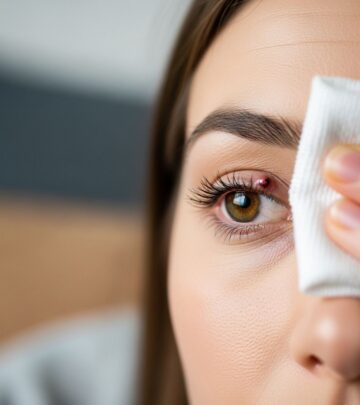
Eye styes—those painful, red bumps that appear on or around the eyelid—can be an uncomfortable and unsightly nuisance. Fortunately, most styes improve with simple home remedies and self-care routines. This guide covers the causes of styes, popular home treatments, aftercare, prevention tips, and signs you may need to see a doctor.
What Is an Eye Stye?
An eye stye (medical term: hordeolum) is a small, painful bump on the eyelid caused by a bacterial infection in an oil gland or hair follicle near the eyelashes. Styes can develop on the inside or outside edge of the eyelid and often resemble a pimple or boil. The underlying infection usually involves common skin bacteria, such as Staphylococcus aureus.
Key stye symptoms include:
- Redness and swelling of the eyelid
- Pain or tenderness in the affected area
- A visible bump, sometimes with a yellowish spot indicating pus
- Tearing or watery eyes
- Sensitivity to light
Most styes resolve on their own within 7–10 days, but safe home treatments can speed healing and provide relief from discomfort.
Common Causes and Risk Factors
Styes are caused when the oil glands in the eyelid or the base of the lashes become blocked by dead skin, debris, or excess oil. This blockage creates an environment for bacteria to grow, leading to infection and the characteristic bump. Major risk factors for developing a stye include:
- Poor eyelid hygiene
- Touching eyes with unclean hands
- Using expired or contaminated eye makeup
- Reusing or sharing makeup applicators
- Pre-existing eye conditions (like blepharitis or meibomian gland dysfunction)
- Chronic skin conditions, such as rosacea
Best Home Remedies for Eye Stye
Several at-home treatments help to relieve pain, reduce swelling, and encourage the stye to drain naturally. Never attempt to pop or squeeze a stye, as this can worsen the infection and increase the risk of complications.
1. Warm Compress
A warm compress is the most effective first-line home remedy for styes. The heat encourages the pus to come to the surface, softening the blockage and helping the stye drain and heal faster.
- Soak a clean washcloth in warm (not hot) water and wring it out until damp.
- Gently place the compress over your closed eye for 10–15 minutes.
- Repeat this process 3–5 times a day.
- Reheat the compress as needed to maintain warmth, and always use a clean cloth for each application.
Alternatively, some people use warm tea bags—especially black tea, which has natural antibacterial properties. Steep a tea bag, let it cool to a safe temperature, then place it over the closed eye for 5–10 minutes.
DIY Heated Compress Tips
- Fill a clean sock with dry, uncooked rice and heat it in the microwave for 15–20 seconds. Ensure it’s warm—not too hot—before placing it over the eye as a dry compress.
- Never use very hot compresses, and test temperature on your inner wrist first to avoid burns.
2. Keep Eyelids Clean
Gently cleaning the eyelids can help to remove oil, debris, and bacteria, reducing irritation and supporting healing.
- Mix a small amount of tear-free baby shampoo with warm water.
- Dip a clean cotton swab or pad in the solution and gently cleanse the eyelid and lashes.
- Repeat daily, but avoid rubbing or tugging the eyelid.
- Alternatively, use a pre-packaged gentle eyelid cleanser recommended for ocular use.
Maintaining eyelid hygiene also helps prevent future stye outbreaks.
3. Avoid Eye Makeup and Contact Lenses
- Do not use eye makeup (mascara, eyeliner, eyeshadow) while you have a stye.
- Makeup and applicators can introduce more bacteria and worsen the infection.
- Replace makeup products and brushes used during the stye episode after recovery to prevent reinfection.
- Avoid wearing contact lenses until the stye has healed completely. Use glasses instead.
4. Use Over-the-Counter Pain Relief
Styes can be tender. Non-prescription pain relievers such as acetaminophen (Tylenol) or ibuprofen (Advil) can help ease discomfort. Always follow dosage instructions as indicated on the packaging.
5. Saline Solution Cleansing
Saline solutions can help to encourage drainage and break down bacterial membranes:
- Rinse the eye gently with a sterile saline solution to keep the area clean and promote healing.
Do not use homemade saline solutions unless you are certain they are sterile, as contamination can worsen infection.
6. Do Not Attempt to Pop or Squeeze the Stye
While you may be tempted to pop a stye for quick relief, this is strongly discouraged. Squeezing the bump can push bacteria deeper into the eyelid, leading to more severe infections.
How to Prevent Eye Styes
Prevention involves maintaining good eye and eyelid hygiene. Here are actionable steps to keep styes at bay:
- Wash your hands thoroughly before touching your face or eyes.
- Remove all eye makeup before sleeping.
- Regularly clean your makeup brushes and applicators.
- Do not share eye makeup or personal care items.
- Replace eye cosmetics every three months to prevent bacterial growth.
- Manage underlying eyelid conditions such as blepharitis or dry eye under a doctor’s care.
When to See a Doctor
Most styes clear with home care, but some situations require medical attention. See your doctor if:
- The stye persists for longer than two weeks.
- You experience significant pain or swelling that impairs vision.
- The redness and swelling spread to other parts of your face.
- The stye is recurrent or associated with additional symptoms like fever or chills.
- The bump bleeds, increases in size rapidly, or does not improve despite self-care.
Your doctor may prescribe antibiotic ointments, oral antibiotics, or—rarely—a minor surgical incision to drain the stye.
Frequently Asked Questions (FAQs)
How long does it take for a stye to heal?
The majority of styes resolve on their own within 7–10 days with appropriate self-care. If a stye persists beyond two weeks, consult your healthcare provider.
Can I wear contact lenses if I have a stye?
No, you should avoid contact lenses while you have a stye to reduce the risk of further irritation or spreading bacteria. Switch to glasses until the eye has healed.
Is it safe to pop or drain a stye at home?
No, popping or squeezing a stye can worsen the infection and may lead to complications. Always allow the stye to drain naturally with the help of warm compresses.
Can styes be prevented?
Practicing good eyelid hygiene, avoiding touching your eyes with dirty hands, and discarding old or contaminated eye makeup are simple, effective steps to reduce your risk.
Are styes contagious?
While the bacteria causing styes can spread, styes themselves are not highly contagious. However, avoid sharing towels, makeup, or washcloths during an outbreak.
Summary Table: Home Care Tips for Stye Management
| Remedy | How To Apply | Frequency | Safety Tips |
|---|---|---|---|
| Warm Compress | Place warm, damp cloth or tea bag on closed eye for 10–15 minutes | 3–5 times daily | Ensure compress is clean and not too hot; do not reuse between eyes |
| Eyelid Cleaning | Clean lashes and eyelid margins with baby shampoo solution | Once or twice daily | Use only gentle, tear-free solutions |
| OTC Pain Relievers | Oral acetaminophen or ibuprofen as directed | As needed | Follow package instructions; do not exceed dosage |
| Saline Solution | Rinse eye with sterile saline | Once daily or as recommended | Use sterile solution; avoid homemade rinses unless properly prepared |
| Avoid Makeup & Lenses | Do not use eye cosmetics or contacts during infection | Until stye heals | Replace products and applicators post-recovery |
Top Myths and Misconceptions About Eye Styes
- Myth: Styes are caused by poor vision or using glasses.
Fact: Styes arise from bacterial infection in oil glands, not by wearing glasses. - Myth: You should squeeze a stye to help it heal faster.
Fact: Direct squeezing can spread infection. Use compresses and time instead. - Myth: Styes are always a sign of a serious condition.
Fact: Most styes are minor, self-limiting infections. Persistent or recurring styes may indicate underlying issues like blepharitis and should be evaluated by a doctor. - Myth: You can catch a stye from someone else easily.
Fact: Direct person-to-person infection is rare but good hygiene is important to prevent passing bacteria.
Conclusion
Eye styes are a common and generally minor eyelid issue. Early intervention with proven remedies, such as warm compresses and gentle eyelid cleaning, brings fast relief and prevents complications. By maintaining eyelid hygiene and following the prevention strategies outlined above, you can minimize your risk of developing styes in the future. If in doubt, or if symptoms worsen, seek prompt medical advice to preserve your eye health.
References
- https://www.healthline.com/health/beauty-skin-care/best-stye-remedies
- https://www.health.harvard.edu/diseases-and-conditions/stye-treatment
- https://www.webmd.com/eye-health/remedies-stye
- https://healthcare.utah.edu/healthfeed/2024/09/how-heal-stye-home
- https://my.clevelandclinic.org/health/diseases/17658-stye
- https://www.youtube.com/watch?v=JKkAXnp7qv8
- https://www.mayoclinic.org/diseases-conditions/sty/diagnosis-treatment/drc-20378022
- https://temeculacreekoptometrist.com/the-best-treatment-for-an-eye-stye/
Similar Articles







Read full bio of Sneha Tete


