
Effective Home Remedies for Gout: Natural Solutions for Relief and Prevention
Combining hydration, dietary changes, and gentle therapies to soothe aching joints.

Gout is a type of inflammatory arthritis known for causing sudden, intense pain, swelling, and redness, often in the big toe or lower limbs. It develops from the buildup of uric acid crystals in the joints. Recurring gout attacks can significantly affect quality of life, but with the right blend of natural home remedies, dietary approaches, and lifestyle changes, gout symptoms can be managed, and future flare-ups minimized.
What Is Gout?
Gout arises from increased uric acid levels(hyperuricemia) that the body fails to eliminate efficiently. The excess forms needle-like crystals in the joints, leading to excruciating pain and inflammation. Gout attacks often start suddenly, typically at night, lasting several days or up to a week. Though there is no cure, gout can be effectively managed with proper care.
12 Home Remedies to Help Relieve Gout
Several natural and practical remedies can help soothe gout pain, reduce inflammation, and aid in uric acid control. The following home-based remedies are supported by traditional use, emerging research, or medical recommendations:
1. Drinking Plenty of Water
Staying hydrated supports the kidneys in flushing out excess uric acid, which may ease gout symptoms and reduce the risk of future flare-ups. Aim to drink at least 8 to 16 cups of water daily, especially during an acute attack. Herbal teas and clear broths can be included, but alcohol and sweetened sodas should be avoided due to their high purine content and uric acid-elevating properties.
Note: People with kidney disease or heart failure should consult a doctor before increasing fluid intake.
2. Applying Ice Packs
Cold therapy can numb acute pain, lower inflammation, and reduce swelling. Apply an ice pack or a cold compress wrapped in a towel to the affected joint for 15–20 minutes, several times a day.
- Do not apply ice directly to the skin to avoid frostbite
- Ideal for reducing pain during acute flare-ups
3. Elevating the Affected Joint
Keeping the swollen limb raised above heart level encourages fluid and blood to drain away from the joint, easing swelling. Elevate your foot or hand with pillows whenever possible, especially during acute episodes.
4. Resting and Protecting Joints
During a gout attack, minimize movement of the affected joint to reduce irritation. Resting speeds healing, but gentle, pain-free movement can help prevent stiffness after the acute phase subsides.
5. Taking Over-the-Counter Pain Relievers
- Ibuprofen and naproxen sodium (not aspirin) help reduce inflammation and pain. Always follow the recommended dose and ask your doctor about possible medication interactions.
- If these medications do not bring relief, consult your healthcare provider for prescription options.
6. Reducing Stress
Stress can trigger gout flares and worsen symptoms. Stress reduction techniques include:
- Meditation or deep breathing exercises
- Gentle activities like reading, journaling, or listening to music
- Spending time outdoors in fresh air
- Ensuring adequate sleep and rest
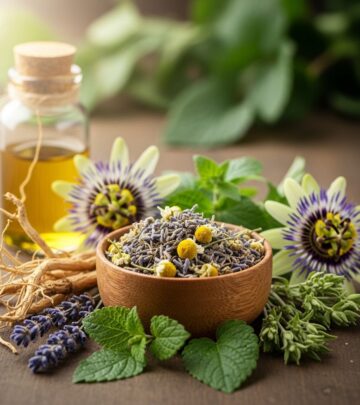
7. Using Herbal Remedies
Several natural remedies from herbal medicine have traditionally been used to lower uric acid levels or relieve pain and inflammation. Always consult your healthcare provider before adding new supplements or herbs, especially alongside conventional medications.
- Cherries and cherry juice are reported to help lower uric acid and reduce gout attacks. Try consuming a handful of cherries or a glass of unsweetened tart cherry juice daily.
- Celery seed extract: May possess anti-inflammatory and uric acid-lowering effects.
- Pineapple (bromelain) contains an enzyme with anti-inflammatory properties.
- Tumeric and ginger can be consumed as teas or capsules to help moderate inflammation.
- Devil’s claw, burdock root, and nettle tea are also used in traditional medicine for joint support.
8. Applying Castor Oil Packs
Castor oil may help alleviate localized inflammation and pain. Warm a small amount, apply it to the affected joint, and cover with a soft cloth or wrap. Avoid using on broken skin.
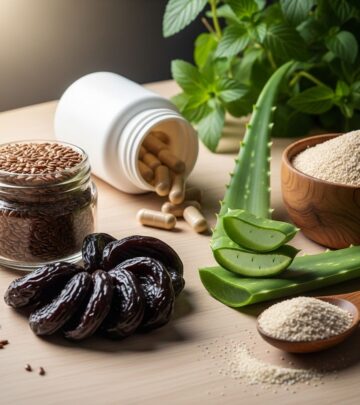
9. Taking Dietary Supplements
Some supplements show promise in the management of gout symptoms:
- Vitamin C: 500 mg per day may help lower uric acid (especially helpful for people with low dietary intake).
- Quercetin: A flavonoid with anti-inflammatory potential.
- Folic acid: Sometimes used to help lower uric acid formation.
- Ashwagandha: An adaptogenic herb known for its ability to reduce inflammation and support stress response.
- Pine bark & grape seed extract: Both contain antioxidants and may lower oxidative stress in joints.
Always check with your physician before starting any new supplement regimen.
10. Using Probiotics
Emerging research suggests that people with gout tend to have less gut bacterial diversity. Probiotics can support healthy digestion and immune function, assisting overall inflammation management.
11. Acupuncture and Physical Therapies
Complementary therapies such as acupuncture, massage, or gentle stretching may support pain relief and joint mobility.
12. Lifestyle Modifications
In addition to acute remedies, ongoing lifestyle improvements are key to reducing the risk and severity of gout symptoms:
- Maintain a healthy weight
- Quit smoking
- Limit alcohol intake (beer and spirits are major risk factors)
- Exercise regularly (see below for gout-friendly activities)
Dietary Strategies for Gout Management
What you eat plays a critical role in controlling gout. Uric acid is produced when the body metabolizes purines, which are found in many foods.
Foods to Eat
- Low-purine foods: Most fruits and non-starchy vegetables (e.g., berries, cherries, citrus, leafy greens, sweet potatoes, squash)
- Whole grains (brown bread, oats, rice)
- Nuts and seeds (especially flaxseed, walnuts)
- Low-fat dairy products
- Lean proteins like eggs or chicken (in moderation)
- Substitute high-purine meats with plant-based proteins (lentils, chickpeas)
Foods to Avoid or Limit
- Organ meats (liver, kidney), red meats, certain seafoods (anchovies, mackerel, sardines, mussels)
- Alcoholic beverages—especially beer and spirits
- Sugary drinks containing fructose or high-fructose corn syrup
- Excessive refined carbohydrates (white bread, pasta)
- Full-fat dairy and high-fat processed foods
Dietary Substitutions Table
| Instead of… | Try… |
|---|---|
| White bread | Brown bread or whole grains |
| Red meat & organ meats | Eggs, lentils, chickpeas |
| Cherries | Blueberries, strawberries |
| Sweetened soda | Herbal tea, lemon water |
| Coffee | Green tea |
| Pasta | Rice |
Sample Daily Gout-Friendly Diet Plan
- Breakfast: Oatmeal with blueberries, walnuts, and low-fat yogurt
- Lunch: Spinach and roasted vegetable salad with lemon dressing
- Snack: Carrot sticks and hummus
- Dinner: Grilled chicken breast, brown rice, and steamed broccoli
- Dessert: Cherries or strawberries
Exercise and Physical Activity for Gout
Lack of exercise can worsen gout symptoms and raise uric acid. Safe, low-impact exercises improve joint health, support weight control, and minimize future attacks. Check with your doctor before beginning a new exercise routine during or just after an acute attack.
- Walking
- Cycling
- Swimming
- Yoga
- Stretching
- Light dancing or stair climbing
- Strength training with low resistance
Maintain consistency for best results, and monitor joints for pain or swelling after activity.
Frequently Asked Questions (FAQs)
Q: What triggers gout flare-ups?
Common triggers include consuming high-purine foods (organ meats, shellfish), drinking alcohol (especially beer and spirits), dehydration, sudden dieting or fasting, and physical trauma to the joint. Stress and certain medications can also contribute.
Q: Can gout be cured completely?
There is no permanent cure, but gout can be effectively managed with medication, lifestyle improvement, and natural remedies focusing on diet, hydration, and prevention of attacks.
Q: Are cherries really effective for gout?
Cherries and cherry juice are rich in antioxidants and have shown promise in lowering uric acid levels and reducing flare-ups in several studies, though results can vary from person to person.
Q: Should vitamin C and other supplements be used routinely?
Vitamin C supplements may help reduce uric acid but should be used under medical supervision, especially if you have kidney problems or other health conditions. Consult your healthcare provider before starting any new supplement.
Q: When should I see a doctor for gout?
If you experience severe pain or swelling, cannot move a joint, or have recurrent attacks, consult your healthcare provider within 24 hours. Early treatment can help prevent joint damage and complications.
When to Seek Professional Help
While most home remedies can support your overall management plan, some situations warrant immediate medical attention:
- Severe, unrelenting joint pain
- Very swollen, red, or hot joints (signs of infection)
- Fever accompanying joint pain
- First gout attack or uncertain diagnosis
Final Thoughts
With the right combination of hydration, dietary improvements, home remedies, supplements, and lifestyle adjustments, most people with gout can manage symptoms, improve joint health, and reduce the frequency of painful attacks. Always consult with your healthcare professional before starting new supplements or therapies, and prioritize an individualized management plan.
References
- https://www.medicalnewstoday.com/articles/324972
- https://www.stylecraze.com/articles/uric-acid-diet-how-does-it-help-to-counter-your-gout/
- https://naturemed.org/natural-remedies-for-treating-gout/
- https://www.pharmacytimes.com/view/6-natural-gout-remedies-pharmacists-can-recommend
- https://www.stylecraze.com/articles/top-10-purine-rich-foods/
- https://pmc.ncbi.nlm.nih.gov/articles/PMC9586733/
- https://pmc.ncbi.nlm.nih.gov/articles/PMC6759140/
- https://www.hvfa.com/post/home-remedies-for-gout
- https://www.arthritis.org/diseases/more-about/managing-a-gout-attack
- https://arthritis.ca/about-arthritis/arthritis-types-(a-z)/types/gout/gout-treatment
Similar Articles





Read full bio of Sneha Tete


