
Black Seed Oil for Hair: Complete Guide to Uses & Benefits
Unlock the ancient secret to healthier, stronger hair with black seed oil's proven benefits
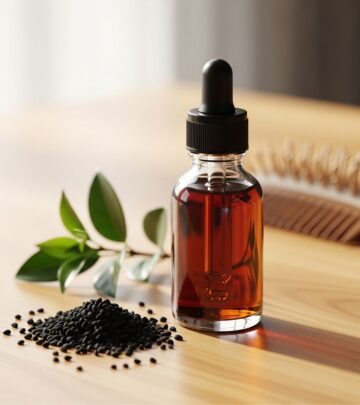
Black seed oil has emerged as one of the most promising natural remedies for hair care, backed by both ancient wisdom and modern scientific research. Extracted from the seeds of Nigella sativa, this powerful oil has been used for centuries across various cultures to promote hair health, combat hair loss, and nourish the scalp. Today, we’re exploring the comprehensive benefits of black seed oil for hair and how you can incorporate it into your hair care routine for optimal results.
What is Black Seed Oil?
Black seed oil is derived from the small black seeds of the Nigella sativa plant, a flowering plant native to Southwest Asia, the Middle East, and parts of Africa and Europe. These tiny seeds have been valued throughout history for their medicinal and cosmetic properties, earning them various names including black cumin, black caraway, kalonji, and nigella. The oil pressed from these seeds contains a rich concentration of beneficial compounds that make it particularly effective for hair and scalp health.
The therapeutic power of black seed oil comes primarily from its active compound called thymoquinone, which provides potent antioxidant and anti-inflammatory effects. Additionally, the oil contains essential fatty acids, vitamins, and minerals that work synergistically to nourish hair follicles and support healthy hair growth. The combination of these nutrients makes black seed oil a comprehensive solution for various hair concerns, from thinning and breakage to dandruff and scalp irritation.
The Science Behind Black Seed Oil’s Hair Benefits
Understanding how black seed oil works requires looking at its unique composition and properties. Research has identified several key characteristics that make this oil particularly beneficial for hair care. Black seed oil demonstrates antibacterial, antifungal, anti-inflammatory, and antioxidant properties, all of which contribute to maintaining a healthy scalp environment conducive to hair growth.
The antioxidant properties help combat oxidative stress, which is a significant contributor to premature hair aging and loss. Meanwhile, the anti-inflammatory effects soothe scalp irritation and reduce conditions that can interfere with normal hair growth cycles. The antimicrobial properties help keep the scalp clean and free from infections that could damage hair follicles or lead to conditions like dandruff.
Scientific studies have provided evidence supporting these traditional uses. A 2014 study demonstrated that a mixture containing coconut oil and black seed oil was effective enough in promoting hair growth to warrant further investigation. More impressively, a 2017 study showed that an herbal hair oil containing Nigella sativa resulted in hair fallout reduction of up to 76 percent, highlighting the oil’s significant potential in addressing hair loss concerns.
Key Benefits of Black Seed Oil for Hair
Promotes Hair Growth and Reduces Hair Loss
One of the most compelling reasons people turn to black seed oil is its ability to stimulate hair growth and reduce hair loss. The oil works by nourishing hair follicles with essential nutrients while improving blood circulation to the scalp. This enhanced circulation ensures that hair follicles receive adequate oxygen and nutrients needed for optimal growth. Research indicates that black seed oil may help regulate the hair growth cycle by extending the anagen (growth) phase and minimizing premature shedding during the telogen (resting) phase.
A particularly noteworthy 2013 study involving 20 women with telogen effluvium—a condition characterized by temporary hair thinning—showed significant improvement when treated with a lotion containing just 0.5 percent black seed oil. This demonstrates that even relatively low concentrations of the oil can produce measurable benefits for those experiencing hair loss.
Moisturizes Hair and Scalp
Black seed oil is rich in fatty amino acids that help seal moisture into individual hair shafts, preventing dryness and brittleness. This moisturizing effect extends to the scalp as well, helping to maintain proper hydration levels that are essential for healthy hair growth. A well-moisturized scalp is less prone to flaking, itching, and irritation, all of which can interfere with normal hair development.
The oil’s emollient properties make it particularly beneficial for individuals with dry, coarse, or damaged hair. By forming a protective barrier around each hair strand, black seed oil helps reduce moisture loss and protects against environmental stressors like pollution, UV radiation, and harsh weather conditions.
Addresses Scalp Conditions
Many scalp conditions can negatively impact hair health and growth. Black seed oil’s antibacterial and antifungal properties make it effective in addressing issues such as dandruff, scalp infections, and fungal conditions. Research has shown that the oil can suppress common scalp pathogens, including Malassezia furfur, which is associated with dandruff and seborrheic dermatitis.
The anti-inflammatory properties of thymoquinone help soothe irritated, inflamed scalps, providing relief from conditions like eczema and psoriasis that can affect the scalp. By creating a healthier scalp environment, black seed oil indirectly supports better hair growth and reduces problems like itching and flaking that can lead to hair damage through excessive scratching.
Strengthens Hair and Prevents Breakage
The nutritional profile of black seed oil includes proteins, vitamins, and minerals that strengthen hair from root to tip. Regular application can help fortify hair strands, making them more resistant to breakage and split ends. The oil penetrates the hair shaft, reinforcing its structure and improving elasticity, which allows hair to withstand styling stress and daily manipulation without damage.
This strengthening effect is particularly valuable for individuals with chemically treated, heat-damaged, or naturally fragile hair. By reducing breakage, black seed oil helps retain length and promotes the appearance of fuller, thicker hair over time.
Enhances Hair Texture and Shine
Beyond growth and health benefits, black seed oil can improve the aesthetic qualities of your hair. The oil’s nourishing properties contribute to softer, more manageable hair with enhanced shine and luster. The fatty acids in the oil smooth the hair cuticle, reflecting light more evenly and giving hair a naturally glossy appearance without the need for synthetic shine products.
How to Use Black Seed Oil for Hair Care
There are multiple effective methods for incorporating black seed oil into your hair care routine, each suited to different needs and preferences. Consistency is key regardless of which method you choose, as the benefits of black seed oil accumulate over time with regular use.
Direct Scalp Application Method
The most straightforward approach involves applying black seed oil directly to your scalp. Because pure black seed oil has a strong aroma and can be quite potent, it’s typically recommended to dilute it with a carrier oil. Mix equal parts black seed oil with coconut oil, olive oil, jojoba oil, or sweet almond oil. Apply this mixture to your scalp approximately one hour before washing your hair, using your fingertips to gently massage it in using circular motions for 5-10 minutes. This massage stimulates blood circulation and helps the oil penetrate more effectively.
Leave the oil treatment on for 30-45 minutes, or longer if desired. Some people prefer to leave it on overnight for maximum absorption, though this requires protecting your pillowcase with a towel or old pillowcase. After the treatment time, wash your hair thoroughly with your regular shampoo. For optimal results, perform this treatment 2-3 times per week.
Black Seed Oil Hair Mask
For a more intensive treatment that addresses multiple hair concerns simultaneously, create a nourishing hair mask. Combine 2 tablespoons of black seed oil with 1 tablespoon of coconut oil for moisture, 1 tablespoon of honey for its humectant and antibacterial properties, and 2 tablespoons of plain yogurt for protein and gentle exfoliation. Mix all ingredients thoroughly until you achieve a smooth, consistent paste.
Apply the mask to damp hair, working it through from roots to ends. Pay special attention to the scalp and any particularly dry or damaged areas. Cover your hair with a shower cap to create warmth and enhance absorption. Leave the mask on for 30-60 minutes before rinsing thoroughly with lukewarm water and shampooing as usual. This intensive treatment can be used once or twice weekly.
Leave-In Treatment
For ongoing nourishment throughout the day, you can create a lighter leave-in treatment. Add 5-10 drops of black seed oil to 2 tablespoons of a lightweight carrier oil like jojoba or argan oil. After washing your hair, apply this mixture sparingly to the length of towel-dried hair, focusing on the mid-lengths and ends while avoiding the roots if you have oily hair. This method provides continuous moisture and protection without weighing hair down or making it look greasy.
Adding to Existing Hair Products
Another convenient option is to enhance your existing hair care products with black seed oil. Add a few drops of the oil to your regular shampoo or conditioner just before use. This method allows you to enjoy the benefits of black seed oil without significantly changing your hair care routine. However, for more targeted benefits, the direct application methods tend to be more effective.
Best Practices and Application Tips
To maximize the benefits of black seed oil for your hair, consider these important guidelines. Always perform a patch test before using black seed oil extensively, especially if you have sensitive skin or a history of allergies. Apply a small amount of diluted oil to the inside of your wrist or behind your ear and wait 24 hours to check for any adverse reactions.
When applying black seed oil, remember that less is often more. Using too much oil can make hair look greasy and may be difficult to wash out completely. Start with small amounts and increase gradually as needed based on your hair’s response and texture.
The quality of the oil matters significantly. Choose cold-pressed, 100% pure black seed oil from reputable sources to ensure you’re getting the full spectrum of beneficial compounds without additives or dilution. Store your oil in a cool, dark place to preserve its potency, as heat and light can degrade its active ingredients over time.
Be patient and consistent with your application. While some people notice improvements within a few weeks, significant changes in hair growth and health typically become apparent after 2-3 months of regular use. Take photos and notes to track your progress, as changes often occur gradually and may not be immediately obvious.
Potential Side Effects and Precautions
While black seed oil is generally considered safe for topical use, it’s important to be aware of potential side effects and take appropriate precautions. Some individuals may experience allergic reactions such as contact dermatitis, characterized by redness, itching, or rash. This is why the patch test mentioned earlier is crucial before full application.
Black seed oil has a distinctive, strong aroma that some people find unpleasant. While this doesn’t indicate a safety concern, it’s worth considering, especially if you’re sensitive to scents. Mixing the oil with pleasantly scented carrier oils like lavender-infused coconut oil can help mask the smell.
If you’re pregnant, nursing, or taking medications, consult with your healthcare provider before using black seed oil, even topically. While topical application is generally safer than oral consumption, it’s always best to err on the side of caution during these sensitive periods.
Avoid getting black seed oil in your eyes, as it can cause irritation. If this occurs, rinse immediately with plenty of cool water. If irritation persists, seek medical attention.
Combining Black Seed Oil with Other Natural Ingredients
Black seed oil works synergistically with many other natural ingredients to enhance its benefits. Castor oil pairs exceptionally well with black seed oil, as both oils are known for promoting hair growth. Mix equal parts of each for a powerful growth-stimulating treatment.
Essential oils like rosemary, peppermint, and lavender can boost the effectiveness of black seed oil while adding pleasant aromatherapy benefits. Add 2-3 drops of essential oil per tablespoon of carrier oil mixture. Rosemary oil, in particular, has research-backed benefits for hair growth that complement those of black seed oil.
Aloe vera gel combined with black seed oil creates a soothing treatment that’s particularly beneficial for inflamed or irritated scalps. Mix 2 tablespoons of pure aloe vera gel with 1 tablespoon of black seed oil for a cooling, healing treatment.
Fenugreek seeds, when ground and mixed with black seed oil, create a protein-rich paste that strengthens hair and promotes growth. Soak 2 tablespoons of fenugreek seeds overnight, grind them into a paste, and mix with 1 tablespoon of black seed oil.
Who Should Use Black Seed Oil for Hair?
Black seed oil can benefit virtually anyone looking to improve their hair health, but it’s particularly valuable for specific groups. Individuals experiencing hair thinning or hair loss—whether due to stress, hormonal changes, nutritional deficiencies, or other factors—may find black seed oil especially helpful based on research showing significant reduction in hair fallout.
Those with dry, brittle hair prone to breakage can benefit from the oil’s moisturizing and strengthening properties. The fatty acids in black seed oil help restore moisture balance and improve hair elasticity.
People dealing with scalp conditions like dandruff, eczema, psoriasis, or fungal infections can leverage the oil’s antimicrobial and anti-inflammatory properties to improve scalp health and reduce symptoms.
Individuals seeking natural, chemical-free hair care alternatives will appreciate black seed oil as a versatile, multi-functional ingredient that addresses numerous hair concerns without synthetic additives.
Expected Results and Timeline
Understanding realistic expectations is important when incorporating any new hair care treatment. With black seed oil, initial improvements in scalp health and hair texture may become noticeable within 2-4 weeks of consistent use. Your scalp may feel less itchy or flaky, and your hair may become softer and more manageable.
Visible reduction in hair shedding typically occurs after 6-8 weeks of regular application. You may notice fewer hairs in your brush or shower drain, indicating that the oil is helping strengthen hair and reduce breakage.
Measurable hair growth and increased density usually become apparent after 2-3 months of consistent use. Remember that hair grows approximately half an inch per month on average, so patience is essential. Take progress photos under similar lighting conditions monthly to better track changes.
For individuals with conditions like telogen effluvium or other forms of temporary hair loss, improvements may occur more quickly, as suggested by the 2013 study showing significant results within three months.
Frequently Asked Questions
Q: Can I leave black seed oil in my hair overnight?
A: Yes, you can leave black seed oil in your hair overnight for deeper penetration and maximum benefits. However, be sure to protect your pillowcase with a towel or use an old pillowcase, as the oil may stain fabric. For those with fine or oily hair, overnight treatments might make hair appear greasy, so shorter application times may be preferable.
Q: How often should I use black seed oil on my hair?
A: For optimal results, apply black seed oil to your hair and scalp 2-3 times per week. This frequency allows your hair to benefit from the oil’s nutrients without causing buildup or making hair excessively oily. You can adjust the frequency based on your hair type and how your scalp responds.
Q: Can black seed oil help with alopecia or severe hair loss?
A: While black seed oil has shown promise in studies for reducing hair fallout and promoting growth, its effectiveness for severe conditions like alopecia areata varies. Some research suggests benefits, but individuals with diagnosed medical conditions causing hair loss should consult a dermatologist or trichologist for comprehensive treatment plans that may include black seed oil as a complementary therapy.
Q: Does black seed oil work for all hair types?
A: Yes, black seed oil can benefit all hair types, though application methods may need adjustment. Those with fine or oily hair should use it sparingly and dilute it well with lighter carrier oils. People with thick, coarse, or curly hair can typically use it more liberally. The oil’s versatility makes it suitable for straight, wavy, curly, and coily hair textures.
Q: Will black seed oil make my hair greasy?
A: When used properly, black seed oil should not make your hair excessively greasy. The key is using appropriate amounts and washing it out thoroughly. If you’re using it as a leave-in treatment, apply only small amounts to the ends and mid-lengths of hair, avoiding the scalp if you have naturally oily hair. Always start with less oil than you think you need—you can add more if necessary.
Q: Can I use black seed oil with other hair growth treatments?
A: Generally, yes. Black seed oil can complement other natural hair growth treatments like rosemary oil, castor oil, or minoxidil. However, if you’re using prescription medications or undergoing medical treatments for hair loss, consult your healthcare provider to ensure there are no contraindications or interactions.
Q: How long does black seed oil last once opened?
A: When stored properly in a cool, dark place in an airtight container, black seed oil typically maintains its quality for 6-12 months after opening. Signs that the oil has gone rancid include an off smell, changes in color, or altered consistency. Always check the manufacturer’s recommendations and expiration date on the bottle.
Final Thoughts
Black seed oil represents a powerful, natural solution for various hair concerns, from promoting growth and reducing shedding to improving scalp health and enhancing overall hair quality. Backed by both traditional use and modern scientific research, this versatile oil offers a compelling alternative or complement to conventional hair care products. The key to success with black seed oil lies in consistent application, appropriate dilution, quality sourcing, and patience as your hair responds to this nourishing treatment.
Whether you’re dealing with hair loss, dryness, scalp conditions, or simply seeking to enhance your hair’s natural beauty, black seed oil provides a comprehensive approach to hair care. By incorporating this ancient remedy into your routine using the methods outlined above, you can harness centuries of wisdom combined with contemporary research to achieve healthier, stronger, more vibrant hair naturally.
References
- https://www.healthline.com/health/food-nutrition/black-seed-oil-benefits
- https://www.hollandandbarrett.com/the-health-hub/natural-beauty/skincare/black-seed-oil-benefits-everything-you-need-to-know/
- https://www.healthline.com/health/black-seed-oil-for-hair
- https://wimpoleclinic.com/blog/does-black-seed-oil-work-for-hair-growth/
- https://www.webmd.com/diet/black-seed-health-benefits
- https://aventusclinic.com/black-seed-oil-for-hair-growth/
- https://health.clevelandclinic.org/black-seed-oil
Similar Articles




Read full bio of Sneha Tete


