
5 Natural Remedies to Manage Your Type 2 Diabetes
Discover safe, natural strategies for managing type 2 diabetes and supporting balanced blood sugar levels.

Type 2 diabetes is a chronic medical condition affecting millions worldwide. Characterized primarily by elevated blood sugar levels and insulin resistance, it requires ongoing management to minimize complications and improve quality of life. While conventional medical treatments play an essential role, there is growing interest in natural remedies and lifestyle changes that can complement medical therapy and support healthy blood sugar control.
This article explores five natural remedies for managing type 2 diabetes, including dietary modifications, regular exercise, herbal teas, stress reduction techniques, and improved sleep habits. Incorporating these strategies can help promote wellness, regulate blood sugar, and enhance overall wellbeing.
Table of Contents
- Understanding Type 2 Diabetes
- Remedy 1: Balance Your Diet
- Remedy 2: Get Active with Regular Exercise
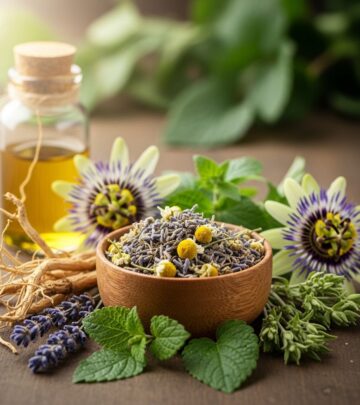
- Remedy 3: Harness the Power of Herbs and Teas
- Remedy 4: Manage Your Stress
- Remedy 5: Prioritize Sleep
- Integrating Natural Remedies Into Your Life
- Frequently Asked Questions (FAQs)
Understanding Type 2 Diabetes
Type 2 diabetes is a metabolic disorder marked by high levels of glucose (sugar) in the blood. This occurs when the body becomes resistant to the effects of insulin—a hormone that helps regulate blood sugar—or does not produce enough insulin to maintain healthy levels.
- Prevalence: The condition is increasingly common, especially among adults, but children are also affected.
- Complications: Type 2 diabetes can lead to nerve damage, kidney disease, cardiovascular issues, vision problems, and non-healing wounds.
- Symptoms: Common symptoms include fatigue, frequent urination, increased thirst, blurred vision, and slow-healing sores.
The good news is that many people with type 2 diabetes can effectively manage their blood sugar and reduce their reliance on medications by embracing natural lifestyle changes.
Remedy 1: Balance Your Diet for Better Blood Sugar
Diet is one of the cornerstones of diabetes management. Simple changes in eating habits can lead to significant improvements in blood sugar regulation and overall health.
Key Dietary Strategies
- Focus on Whole Foods: Prioritize whole grains, fresh vegetables, lean proteins, legumes, nuts, and seeds over processed or refined foods.
- Fiber-Rich Foods: Foods high in dietary fiber help stabilize blood sugar by slowing the absorption of glucose into the bloodstream. Examples include beans, lentils, whole grains, and leafy greens.
- Limit Simple Carbohydrates: Reduce intake of white bread, pastries, sugary beverages, and processed snacks that can spike blood sugar.
- Healthy Fats: Add sources of unsaturated healthy fats like avocado, olive oil, and fatty fish (such as salmon and sardines) for heart protection.
- Portion Control: Eating moderate portions and avoiding overeating are crucial to prevent spikes in blood sugar and assist with weight management.
Research supports the Mediterranean and DASH (Dietary Approaches to Stop Hypertension) diets for their effectiveness in improving blood sugar control and reducing the risk of diabetes-related complications.
Sample Balanced Plate for Diabetes
| Food Group | Ideal Portion | Examples |
|---|---|---|
| Vegetables (non-starchy) | Half of your plate | Broccoli, spinach, bell peppers, zucchini |
| Proteins | One quarter | Grilled chicken, fish, tofu, beans |
| Whole Grains | One quarter | Brown rice, quinoa, whole-wheat pasta |
| Healthy Fats | Small amount | Olive oil, avocado, nuts |
Remedy 2: Get Active with Regular Exercise
Physical activity is a safe and effective way to help regulate blood sugar, improve insulin sensitivity, and support a healthy weight. Regular exercise delivers multiple benefits for those with type 2 diabetes:
- Lowers Blood Sugar: Muscles use glucose for energy during activity, helping reduce blood sugar levels.
- Enhances Insulin Sensitivity: Exercise helps the body’s cells respond more effectively to insulin.
- Supports Weight Loss: Movement burns calories and assists in maintaining a healthy weight.
- Reduces Cardiovascular Risk: Physical activity helps lower blood pressure and improve cholesterol levels.
- Boosts Mood & Reduces Stress: Exercise can alleviate depression and anxiety, which are common in people managing diabetes.
Recommended Types of Exercise
- Brisk walking
- Cycling
- Swimming
- Yoga and stretching
- Strength training
Aim for at least 150 minutes of moderate aerobic exercise weekly, spread throughout the week. Even short bouts of 10-20 minutes can provide benefits. Always consult your healthcare provider before initiating a new exercise program, especially if you have medical complications.
Remedy 3: Harness the Power of Herbs and Teas
Herbal remedies and traditional teas have long been valued for their medicinal properties, and some are specifically recognized for supporting blood sugar control. Among these, Tego Diabetic Tea has garnered attention as an herbal tea formulated to help lower and stabilize blood sugar levels for individuals with diabetes or those at risk.
Key Herbal Ingredients for Blood Sugar Regulation
- Banarasi Amla (Indian Gooseberry): Rich in antioxidants and vitamin C, it supports healthy metabolic function and has shown potential in reducing blood sugar spikes.
- Fenugreek: A traditional herb used to improve insulin sensitivity and lower blood glucose.
- Turmeric (Curcumin): Contains powerful anti-inflammatory and antioxidant compounds.
- Karela (Bitter Melon): Contains bioactive compounds that mimic insulin and support blood sugar regulation.
- Gymnema Sylvestre: Known as “sugar destroyer” in Ayurveda, Gymnema may reduce sugar absorption and cravings.
- Cinnamon: Has shown the ability to improve fasting blood sugar levels in some studies.
Tego Diabetic Tea is caffeine-free and made with a blend of herbal ingredients that aim to regulate blood sugar naturally. It can be consumed as part of a daily regimen, ideally alongside dietary changes and regular physical activity. Many users report improved blood sugar levels and an enhanced sense of wellbeing.
How to Use Herbal Teas for Diabetes
- Follow instructions for brewing (often one cup before each meal, up to three times daily).
- Use only as part of a broader approach that includes diet, exercise, and, when necessary, prescribed medications.
- Consult your healthcare provider before commencing any new herbal supplement, especially if on medications or with co-existing conditions.
Besides teas, other supplements sometimes used for blood sugar support include aloe vera, berberine, chromium, and zinc. Individual results vary, and professional advice is essential before adding any supplement to your routine.
Remedy 4: Manage Your Stress
Chronic stress can wreak havoc on the body’s hormonal balance, with serious implications for blood sugar control. When stressed, the body releases cortisol and other stress hormones, which can cause increases in glucose production by the liver and worsen insulin resistance.
Effective Stress Reduction Techniques
- Mindfulness Meditation: Simple breathing and mindfulness exercises promote relaxation and lower stress.
- Yoga & Tai Chi: Gentle movement combined with breathing eases tension and calms the mind.
- Regular Physical Activity: Exercise doubles as a mood booster and stress reliever.
- Social Support: Staying connected to friends and loved ones guards against depression and anxiety.
- Creative Outlets: Art, music, and hobbies bring joy and relaxation.
Chronic stress is not just a mental health issue; it has direct physiological effects on blood sugar. Prioritizing self-care and mental wellness is a key, natural strategy for diabetes management.
Remedy 5: Prioritize Sleep and Rest
Quality sleep is vital for everyone but especially important for people with diabetes. Poor sleep has been linked to increased risk of insulin resistance, erratic blood sugar, and even weight gain.
Tips for Developing Healthy Sleep Habits
- Maintain a regular sleep schedule—even on weekends.
- Limit caffeine and alcohol, especially late in the day.
- Create a restful environment—keep your bedroom cool, quiet, and dark.
- Minimize screen time before bedtime; blue light can disrupt circadian rhythms.
- Address sleep disorders such as apnea in consultation with a healthcare professional.
Most adults should aim for 7–9 hours of quality sleep per night. Consistent, adequate rest is a powerful—even if often underestimated—remedy for stabilizing blood sugar and promoting resilience against setbacks.
Integrating Natural Remedies Into Your Life
Successfully managing type 2 diabetes often requires combining medical care with natural lifestyle modifications. The remedies discussed above—balanced nutrition, regular exercise, herbal teas, stress reduction, and sleep—work best when implemented together and tailored to the individual’s needs.
- Consult your primary healthcare provider before making significant changes, including adopting new herbs, supplements, or exercise routines.
- Remember that results vary. Monitor your progress by keeping a journal of symptoms, diet, and blood sugar readings.
- Avoid replacing prescribed medications with natural remedies unless directed by a qualified medical professional.
Sustainable changes, not quick fixes, provide lasting results in diabetes management. Start small, celebrate every success, and seek support from healthcare professionals, friends, and diabetes-focused communities.
Frequently Asked Questions (FAQs)
Q: Can natural remedies replace my diabetes medications?
A: No. Natural remedies complement but do not replace medical treatment. Always consult your doctor before making changes to your treatment plan.
Q: How soon can I expect to see results from lifestyle changes?
A: Some people may notice improvements within weeks, while others take longer. Consistency and patience are key.
Q: Are herbal teas like Tego Diabetic Tea safe for everyone?
A: While many people tolerate herbal teas well, some ingredients may interact with medications or cause allergies. Always start with physician guidance, especially if pregnant, nursing, or taking medications.
Q: What foods should I avoid to help control my blood sugar naturally?
A: Limit processed carbohydrates, sugary foods and drinks, and high-fat, fried items. Focus on whole, fiber-rich foods and healthy fats for best results.
Q: Is exercise necessary if I eat a healthy diet?
A: Yes, both exercise and diet are crucial. Movement enhances your body’s ability to process glucose and improves overall health.
These statements have not been evaluated by the Food and Drug Administration. This product is not intended to diagnose, treat, cure, or prevent any disease. Always consult your healthcare provider before beginning any new supplement or major lifestyle change.
References
- https://goteaglobal.com/diabetic-tea/
- https://www.tegotea.com/product-page/diabetes
- https://www.stamfordhealth.org/healthflash-blog/diabetes-and-endocrine/type-2-diabetes-natural-remedies
- https://www.tegotea.com
- https://www.tegotea.com/items/this-is-a-title-02
- https://www.tegotea.com/qr-code
- https://www.tegotea.com/shop
- https://www.tegotea.com/blog
Similar Articles





Read full bio of medha deb


