
5 Natural Remedies to Control Alcohol Shakes Effectively
Discover proven natural methods to manage alcohol withdrawal tremors safely

Alcohol shakes, medically known as tremors, represent one of the most visible and distressing symptoms of alcohol withdrawal. These involuntary shaking movements typically affect the hands but can extend to other parts of the body, creating significant discomfort and anxiety for individuals attempting to reduce or eliminate their alcohol consumption. While medical supervision remains essential for managing severe withdrawal symptoms, several natural remedies can provide supportive relief and help individuals navigate this challenging phase of recovery more comfortably.
Understanding how to manage alcohol shakes through natural methods offers multiple advantages, including fewer chemical interventions, increased accessibility to treatment options, and empowerment for individuals seeking to take an active role in their recovery journey. These natural approaches work by addressing the underlying physiological imbalances caused by chronic alcohol use, supporting the body’s natural healing processes, and providing symptomatic relief without introducing additional pharmaceutical substances into an already stressed system.
Understanding Alcohol Shakes and Their Causes
Before exploring natural remedies, it’s crucial to understand what causes alcohol shakes and why they occur. When someone consumes alcohol regularly over an extended period, the brain and nervous system adapt to the depressant effects of alcohol by increasing the production of excitatory neurotransmitters and reducing inhibitory ones. This compensatory mechanism allows the body to function despite the constant presence of alcohol in the system.
However, when alcohol consumption suddenly stops or decreases significantly, the brain finds itself in a state of hyperexcitability. The nervous system, no longer suppressed by alcohol’s depressant effects, becomes overactive, leading to various withdrawal symptoms including tremors, anxiety, sweating, and in severe cases, seizures. Alcohol shakes typically begin within six to ten hours after the last drink and can persist for several days, with severity varying based on factors such as the duration and intensity of alcohol use, overall health status, and individual physiological differences.
The hands are most commonly affected by these tremors because they contain a high concentration of nerve endings and fine motor control mechanisms that are particularly sensitive to neurological disruption. However, tremors can also affect the arms, legs, trunk, head, and even the voice. Understanding this physiological basis helps explain why certain natural remedies prove effective in managing these symptoms by targeting the underlying imbalances rather than simply masking the tremors.
Natural Remedy #1: Proper Hydration and Electrolyte Balance
The foundation of any natural approach to managing alcohol shakes begins with proper hydration and electrolyte restoration. Chronic alcohol consumption severely disrupts the body’s fluid balance through multiple mechanisms. Alcohol acts as a diuretic, increasing urine production and leading to dehydration. Additionally, heavy drinking often results in decreased fluid intake, vomiting, and diarrhea, all of which compound the dehydration problem.
Dehydration worsens withdrawal symptoms, including tremors, by impairing cellular function, reducing blood volume, and disrupting the delicate balance of electrolytes necessary for proper nerve and muscle function. When the body lacks adequate fluids and essential minerals like sodium, potassium, magnesium, and calcium, nerve signals become erratic, contributing to the involuntary muscle contractions that manifest as shakes.
To address this critical need, individuals experiencing alcohol shakes should prioritize consuming at least eight to twelve glasses of fluids daily. While water should form the primary source of hydration, incorporating electrolyte-rich beverages provides additional benefits. Coconut water naturally contains high levels of potassium and magnesium, making it an excellent choice for restoring mineral balance. Sports drinks formulated with electrolytes can also help, though those with lower sugar content are preferable to avoid blood sugar spikes that might worsen symptoms.
Bone broth represents another exceptional hydration option, offering not only fluids and electrolytes but also amino acids and minerals that support overall recovery. The sodium content in bone broth helps maintain blood pressure and cellular hydration, while the collagen and gelatin support gut healing, which is often compromised by chronic alcohol use. Herbal teas, particularly chamomile or peppermint, provide hydration along with calming properties that may help reduce anxiety accompanying withdrawal.
It’s important to avoid caffeinated beverages during the acute withdrawal phase, as caffeine can exacerbate tremors, increase anxiety, and contribute to dehydration. Similarly, sugary drinks should be limited, as they can cause rapid blood sugar fluctuations that may intensify shaking and other withdrawal symptoms. Establishing a consistent hydration routine, with fluids consumed at regular intervals throughout the day rather than in large quantities at once, optimizes absorption and maintains steady hydration levels.
Natural Remedy #2: Nutrient-Dense Diet and Targeted Nutrition
The second essential natural remedy for controlling alcohol shakes involves implementing a comprehensive nutritional strategy that addresses the widespread deficiencies created by chronic alcohol consumption. Alcohol interferes with nutrient absorption in the digestive tract, increases nutrient excretion through urine, and disrupts the metabolism of vitamins and minerals. These deficiencies directly contribute to the severity of withdrawal symptoms, including tremors.
A well-designed nutritional approach should focus on several key components. First, lean proteins provide the amino acids necessary for neurotransmitter production and tissue repair. Fish, particularly fatty fish like salmon and mackerel, offer omega-3 fatty acids that support brain health and reduce inflammation. Chicken, turkey, lean beef, eggs, beans, lentils, and Greek yogurt all supply high-quality protein without excessive saturated fat. Protein should be included at every meal to maintain stable blood sugar levels and provide a steady supply of building blocks for recovery.
Complex carbohydrates from whole grains, vegetables, and limited fruits provide sustained energy and help stabilize blood sugar, which is crucial for managing tremors. Refined sugars and simple carbohydrates should be avoided, as they cause rapid blood sugar spikes followed by crashes that can intensify shaking. Instead, focus on brown rice, quinoa, oats, sweet potatoes, and a variety of colorful vegetables that provide not only carbohydrates but also fiber, vitamins, and minerals.
Healthy fats play a vital role in recovery, particularly for brain health and hormone production. Avocados, nuts, seeds, olive oil, and fatty fish provide essential fatty acids that support cell membrane integrity and reduce inflammation throughout the body. These fats also help with the absorption of fat-soluble vitamins that are often depleted in individuals with alcohol use disorder.
Specific nutrients deserve special attention for their role in managing alcohol shakes. B vitamins, particularly thiamine (B1), are critically important. Chronic alcohol use severely depletes thiamine, and deficiency can lead to serious neurological complications. B vitamins support energy production, nerve function, and neurotransmitter synthesis. Food sources include whole grains, leafy greens, legumes, nuts, and fortified cereals.
Magnesium deficiency is extremely common in individuals withdrawing from alcohol and directly contributes to tremors and muscle spasms. This mineral regulates nerve and muscle function, and adequate levels can significantly reduce shaking. Magnesium-rich foods include spinach, almonds, cashews, black beans, dark chocolate, and pumpkin seeds. Consuming these foods regularly helps restore depleted stores and supports the nervous system’s recovery.
Natural Remedy #3: Herbal Supplements and Botanical Support
The third natural remedy category involves carefully selected herbal supplements that have demonstrated potential benefits for managing alcohol withdrawal symptoms and supporting the body’s detoxification processes. While research on some herbs remains ongoing, many have traditional use histories spanning centuries and emerging scientific evidence supporting their efficacy.
Milk thistle stands out as one of the most studied herbs for alcohol-related concerns. This botanical contains silymarin, a compound with powerful antioxidant and anti-inflammatory properties that specifically supports liver health. The liver bears the brunt of alcohol’s toxic effects, working overtime to metabolize and eliminate alcohol from the body. During withdrawal, the liver continues to process accumulated toxins while attempting to repair damage. Milk thistle helps protect liver cells from further damage, promotes regeneration of healthy liver tissue, and supports the organ’s detoxification functions. Typical dosages range from 140 to 420 milligrams of silymarin daily, divided into multiple doses.
Kudzu root has gained attention for its potential to reduce alcohol cravings and support withdrawal management. This climbing vine, used in traditional Chinese medicine for centuries, contains isoflavones that may influence neurotransmitter systems involved in addiction. Some studies suggest kudzu can reduce the desire to drink and may help moderate consumption. While more research is needed to fully understand its mechanisms, many individuals report beneficial effects. Kudzu is typically taken as a standardized extract at doses of 1,200 to 2,400 milligrams daily.
Chamomile offers gentle but meaningful support during withdrawal. This herb contains compounds that bind to the same brain receptors affected by benzodiazepines, producing mild calming and anti-anxiety effects without the risks associated with pharmaceutical interventions. Chamomile can help ease the anxiety and restlessness that often accompany alcohol shakes, promote better sleep quality, and provide gentle digestive support. Consuming chamomile as tea two to three times daily offers both hydration and therapeutic benefits.
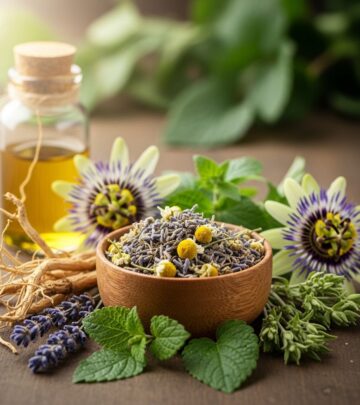
Passionflower represents another valuable herb for managing withdrawal-related anxiety and tremors. It increases levels of gamma-aminobutyric acid (GABA), an inhibitory neurotransmitter that helps calm excessive nerve activity. By supporting GABA function, passionflower may help counteract the nervous system hyperexcitability underlying alcohol shakes. It can be consumed as tea or taken in capsule form according to product directions.
Ashwagandha, an adaptogenic herb from Ayurvedic medicine, helps the body manage stress and may support recovery from alcohol dependence. It balances cortisol levels, supports thyroid function, and may help reduce anxiety while promoting restorative sleep. Ashwagandha’s neuroprotective properties make it particularly relevant for individuals recovering from alcohol’s effects on the brain.
Before incorporating any herbal supplements, consultation with a healthcare provider is essential. Even natural substances can interact with medications, produce side effects, or prove contraindicated for certain health conditions. A knowledgeable practitioner can recommend appropriate herbs, dosages, and duration of use based on individual circumstances.
Natural Remedy #4: Mind-Body Practices and Stress Reduction
The fourth category of natural remedies encompasses mind-body practices that address the psychological and neurological components of alcohol withdrawal. These techniques help regulate the nervous system, reduce stress and anxiety, and provide individuals with active coping mechanisms for managing symptoms.
Mindfulness meditation has demonstrated remarkable benefits for individuals in recovery. This practice involves cultivating present-moment awareness without judgment, observing thoughts, sensations, and emotions as they arise without becoming overwhelmed by them. For someone experiencing alcohol shakes, mindfulness provides a way to acknowledge the tremors without excessive fear or resistance, which often intensifies symptoms. Regular meditation practice, even for just ten to fifteen minutes daily, can reduce anxiety, improve emotional regulation, and strengthen the prefrontal cortex areas involved in impulse control and decision-making.
Several meditation techniques prove particularly helpful during withdrawal. Deep breathing exercises activate the parasympathetic nervous system, triggering the body’s relaxation response and counteracting the hyperarousal state characteristic of withdrawal. A simple technique involves breathing in slowly through the nose for a count of four, holding for four counts, exhaling through the mouth for six counts, and pausing for two counts before repeating. This pattern stimulates the vagus nerve, which helps regulate heart rate, blood pressure, and nervous system activity.
Yoga combines physical movement, breathwork, and meditation, offering multiple therapeutic benefits for managing alcohol shakes. Research indicates that regular yoga practice can reduce alcohol cravings, improve mood, decrease anxiety, and enhance overall well-being during recovery. Gentle yoga styles like Hatha or Yin yoga are particularly appropriate during acute withdrawal, as they avoid overstimulation while still providing movement and stretching that release muscle tension. Specific poses that promote relaxation include child’s pose, legs-up-the-wall pose, and supine twists. The breathwork component of yoga directly addresses nervous system dysregulation, while the meditative aspect builds awareness and emotional resilience.
Tai chi, often described as meditation in motion, offers another excellent option for individuals managing alcohol withdrawal. This gentle martial art involves slow, flowing movements combined with deep breathing and mental focus. Studies show tai chi can reduce depression and anxiety, improve balance and coordination, and promote overall physical and mental well-being. The slow, controlled nature of tai chi movements provides a sense of mastery and calm that can be particularly beneficial when experiencing the loss of control associated with tremors.
Progressive muscle relaxation teaches individuals to systematically tense and release different muscle groups, promoting deep physical relaxation and awareness of tension patterns in the body. This technique can help reduce the muscle tension that often accompanies and exacerbates alcohol shakes. By learning to consciously release tension, individuals gain a practical tool for managing physical symptoms of withdrawal.
Natural Remedy #5: Acupuncture and Alternative Therapies
The fifth natural remedy involves acupuncture and related alternative therapies that have shown promise in managing alcohol withdrawal symptoms, including tremors. These approaches work with the body’s energy systems and neurological pathways to promote balance and healing.
Acupuncture, a cornerstone of traditional Chinese medicine, involves inserting thin, sterile needles at specific points on the body to influence the flow of qi (energy) and restore balance. From a Western scientific perspective, acupuncture affects neurotransmitter levels, stimulates the release of endorphins, modulates the autonomic nervous system, and influences areas of the brain involved in stress response and emotional regulation.
Research on acupuncture for alcohol withdrawal has shown encouraging results. Studies indicate that acupuncture can reduce the severity of withdrawal symptoms, decrease cravings, improve sleep quality, and support overall recovery. Specific acupuncture protocols for addiction treatment often focus on ear acupuncture points, as the ear contains a microsystem representing the entire body. The National Acupuncture Detoxification Association (NADA) protocol, which uses five specific ear points, has been widely adopted in addiction treatment programs.
For alcohol shakes specifically, acupuncture may help by calming the nervous system, reducing inflammation, supporting liver function, and addressing the underlying imbalances contributing to tremors. Treatment typically involves sessions two to three times weekly during acute withdrawal, then transitioning to less frequent maintenance treatments. Many individuals report feeling calmer and experiencing reduced symptoms after acupuncture sessions.
Massage therapy provides additional support during withdrawal. Therapeutic massage reduces muscle tension, promotes relaxation, improves circulation, and triggers the release of feel-good neurotransmitters like serotonin and dopamine. For individuals experiencing tremors, gentle massage can provide temporary relief from muscle tension and offer a sense of comfort and care during a difficult time. Swedish massage, with its long, flowing strokes, is particularly appropriate during acute withdrawal.
Biofeedback training teaches individuals to control physiological processes that normally occur automatically, including heart rate, muscle tension, and skin temperature. Using sensors that provide real-time feedback on these body functions, individuals learn techniques to consciously influence their physical state. For alcohol withdrawal, biofeedback can help reduce tremors by teaching muscle relaxation, decrease anxiety through heart rate variability training, and provide a sense of control over symptoms.
Creating a Comprehensive Natural Approach
While each of these five natural remedies offers individual benefits, combining them creates a comprehensive approach that addresses multiple aspects of alcohol withdrawal. A holistic strategy might include starting the day with hydration and a nutrient-dense breakfast, practicing morning meditation or yoga, taking appropriate herbal supplements with meals, staying consistently hydrated throughout the day, and incorporating acupuncture sessions as part of a structured recovery plan.
It’s crucial to emphasize that natural remedies work best as supportive measures alongside professional medical care. Severe alcohol withdrawal can be life-threatening, and conditions like delirium tremens require immediate medical intervention. Anyone experiencing significant withdrawal symptoms, including severe tremors, hallucinations, confusion, rapid heart rate, or seizures, should seek emergency medical care immediately.
For individuals with mild to moderate withdrawal symptoms, natural remedies can significantly improve comfort and support the recovery process. However, even in these cases, medical supervision provides important safety monitoring and can intervene if symptoms escalate. Many addiction treatment programs now incorporate complementary and alternative approaches alongside conventional medical care, recognizing that this integrated approach often produces the best outcomes.
Frequently Asked Questions
Q: How long do alcohol shakes typically last during withdrawal?
A: Alcohol shakes usually begin 6-10 hours after the last drink and can persist for several days to a week. The duration depends on factors like the severity of alcohol dependence, overall health, and whether proper supportive care is received. In most cases, tremors gradually diminish over 3-5 days with appropriate treatment and natural remedies.
Q: Can natural remedies completely eliminate alcohol shakes without medical intervention?
A: Natural remedies can significantly reduce the severity of alcohol shakes and provide meaningful relief, but they should not replace medical supervision, especially for moderate to severe withdrawal. Medical oversight ensures safety and allows for intervention if dangerous complications arise. Natural approaches work best as complementary support alongside professional care.
Q: Are there any risks associated with using herbal supplements during alcohol withdrawal?
A: Yes, even natural supplements can have side effects and interact with medications or medical conditions. Some herbs may affect liver enzymes, blood pressure, or other physiological processes. Always consult a healthcare provider before starting any herbal supplement regimen, especially during the vulnerable withdrawal period when the body is already under significant stress.
Q: How much water should someone drink daily when experiencing alcohol withdrawal?
A: Aim for at least 8-12 glasses (64-96 ounces) of fluids daily, with approximately 80% coming from water and non-caffeinated beverages. Individual needs vary based on body size, activity level, and symptom severity. Include electrolyte-rich options like coconut water or bone broth to restore mineral balance depleted by chronic alcohol use.
Q: When should someone seek immediate medical attention for alcohol withdrawal?
A: Seek emergency medical care if experiencing severe tremors that prevent basic functions, hallucinations or confusion, seizures, rapid or irregular heartbeat, high fever, profuse sweating, or signs of delirium tremens. These symptoms indicate severe withdrawal requiring immediate medical intervention to prevent life-threatening complications.
Q: Can exercise help reduce alcohol shakes during withdrawal?
A: Gentle exercise can support withdrawal recovery by reducing stress, improving mood, and promoting better sleep. However, during acute withdrawal with active tremors, intense exercise may be too taxing. Start with light activities like walking, gentle stretching, or restorative yoga, gradually increasing intensity as symptoms improve and energy returns.
Q: What foods should be avoided during alcohol withdrawal to prevent worsening shakes?
A: Avoid refined sugars and simple carbohydrates that cause blood sugar fluctuations, caffeinated beverages that can increase tremors and anxiety, processed foods high in sodium without beneficial nutrients, and spicy or acidic foods that might upset a sensitive digestive system. Focus instead on whole, nutrient-dense foods that support stable energy and healing.
References
- https://www.palmerlakerecovery.com/alcohol-abuse-and-addiction/alcohol-withdrawal-home-treatment/
- https://www.bluecrestrc.com/understanding-alcohol-shakes/
- https://www.northpointrecovery.com/blog/10-natural-cures-for-alcohol-withdrawal-and-cravings/
- https://www.columbusrecoverycenter.com/over-the-counter-medications-for-alcohol-withdrawal-a-comprehensive-guide/
- https://www.samhsa.gov
- https://www.columbusrecoverycenter.com/alcohol-addiction/alcohol-detox-shakes-tremors/
- https://www.therecoveryvillage.com/alcohol-abuse/withdrawal-detox/coping-with-withdrawal/
- https://www.edgewoodhealthnetwork.com/resources/blog/managing-alcohol-shakes-and-tremors/
- https://www.addictioncenter.com/alcohol/alcohol-shakes/
- https://www.intoactionrecovery.com/blog/how-to-stop-alcohol-shakes/
Similar Articles




Read full bio of Sneha Tete


