
Geometric Black Nail Art: 50+ Stunning Design Ideas
Master the art of geometric nail designs with bold black accents and creative patterns
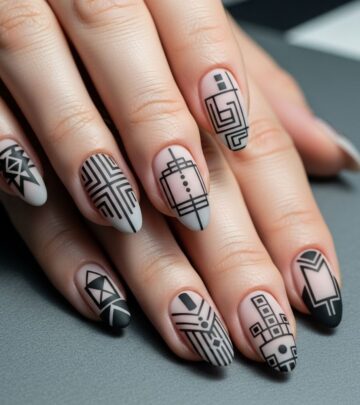
Geometric nail art has become one of the most sought-after trends in the beauty world, offering endless possibilities for creativity and self-expression. When combined with the timeless elegance of black polish, geometric designs transform into sophisticated statements that work for any occasion. Whether you’re drawn to minimalist lines, bold color blocking, or intricate patterns, black geometric nail art provides the perfect canvas for showcasing your unique style.
The beauty of geometric nail designs lies in their versatility. They can be adapted to suit short or long nails, dressed up for special occasions with metallic accents and glitter, or kept simple for everyday wear. Black serves as the ideal foundation or accent color, creating striking contrast against bright hues while maintaining an air of elegance and refinement. From clean lines and sharp angles to abstract shapes and negative space designs, the world of geometric black nail art offers something for everyone.
Why Geometric Black Nail Art Never Goes Out of Style
Black nail polish has maintained its position as a classic choice for decades, transcending trends and seasons. When incorporated into geometric designs, black brings a level of sophistication that few other colors can match. The stark contrast it creates against lighter shades makes geometric patterns pop with visual impact, while its neutral nature ensures it complements any outfit or style aesthetic.
Geometric patterns themselves have a timeless quality rooted in mathematical precision and artistic balance. These designs appeal to our innate appreciation for symmetry and order, creating visually pleasing compositions that catch the eye without overwhelming. The combination of geometric shapes with black accents results in nail art that feels both contemporary and classic, edgy yet refined.
Another reason this style endures is its accessibility. Unlike some intricate nail art techniques that require advanced skills, many geometric black designs can be achieved with basic tools like striping brushes, tape, or even steady hands and regular polish brushes. This democratization of nail art allows anyone to experiment with sophisticated designs at home, making professional-looking manicures more attainable than ever.
Essential Tools and Products for Creating Geometric Black Nail Art
Before diving into specific designs, it’s important to gather the right tools and products. Having quality materials makes the difference between a frustrating experience and a successful manicure that lasts. A proper foundation starts with nail preparation, including filing nails to your desired shape and applying a quality base coat to protect your natural nails and ensure polish adhesion.
The star of geometric black nail art is, of course, a high-quality black nail polish. Look for formulas that are opaque in one or two coats, as this will make your lines and shapes crisp and clean. A good black polish should have a smooth consistency that flows easily from the brush without being too thin or too thick. Many nail artists also recommend having both glossy and matte black polishes on hand for creating different finishes and effects.
Striping brushes are essential tools for creating precise lines and geometric patterns. These brushes have long, thin bristles that allow for controlled application of polish in straight or curved lines. A quality striping brush gives you the precision needed to execute clean geometric shapes and intricate patterns. Additionally, nail art tape or striping tape can be invaluable for creating perfectly straight lines and sharp edges, especially when working with color blocking designs.
Other useful tools include dotting tools for creating circular elements, small detail brushes for fine work, and a reliable fast-drying top coat to seal your design and add shine. Some nail artists also use nail guides or stencils to achieve perfectly symmetrical geometric shapes, though these aren’t strictly necessary once you develop steady hands and confidence.
Minimalist Black Line Designs
Minimalist geometric nail art celebrates the philosophy that less is more. These designs feature clean, simple lines in black against nude, white, or pastel base colors. The result is understated elegance that works beautifully for professional settings while still showcasing your creative side. Single diagonal lines, simple crosses, or delicate outlined triangles create visual interest without overwhelming the nail.
One popular minimalist approach involves painting a neutral base color on all nails, then adding a single black geometric accent to one or two nails per hand. This could be a simple triangle at the tip, a diagonal line bisecting the nail, or a small geometric shape near the cuticle. The asymmetry and restraint of this approach feel modern and sophisticated, perfect for those who want nail art that’s noticeable but not attention-grabbing.
Another minimalist technique uses negative space to create geometric patterns. By strategically leaving portions of the natural nail exposed and surrounding them with black lines or shapes, you create designs that feel airy and contemporary. These designs work particularly well on longer nails where there’s more space to play with proportions and balance.
Bold Color Blocking with Black Accents
For those who love vibrant colors, geometric color blocking with black accents offers the perfect opportunity to experiment with bold hues while maintaining structure and cohesion. This style involves dividing the nail into distinct sections using black lines, then filling each section with a different color. The black lines serve as borders that define each color block, creating a stained-glass effect that’s both artistic and eye-catching.
When creating color-blocked geometric designs, consider using a color palette that creates harmony across your nails. You might choose analogous colors (those next to each other on the color wheel) for a cohesive look, or go bold with complementary colors for maximum contrast. Bright neons, jewel tones, and pastel shades all work beautifully when separated by crisp black lines.
The process typically involves applying a base color to all nails first, allowing it to dry completely, then using striping brushes or tape to create black lines that divide the nail into geometric sections. Once the black lines are dry, fill in each section with your chosen colors. The key is patience—allowing each layer to dry thoroughly before adding the next prevents colors from bleeding into each other and maintains those sharp, clean lines that make geometric designs so striking.
Geometric French Tips Reimagined
The classic French manicure gets a contemporary update when reimagined through a geometric lens with black accents. Instead of the traditional curved white tip, geometric French tips feature angular lines, asymmetric shapes, or bold black outlines that transform this timeless style into something fresh and modern. This approach maintains the elegance associated with French manicures while injecting personality and edge.
One popular variation features diagonal black tips instead of the classic horizontal line. This creates a slanted French tip that feels dynamic and modern. Another approach involves outlining the tips with thin black lines, creating a framed effect that draws attention to the nail’s edge. Some designs incorporate negative space, leaving the natural nail exposed at the tip while framing it with black geometric shapes along the sides.
Chevron patterns at the tips create another striking geometric French variation. By using black polish to create V-shaped points at the nail tip, you achieve a design that’s bold yet refined. These geometric French tips can be adapted to any nail length and work beautifully in both professional and casual settings, making them a versatile choice for those who want nail art that’s distinctive but not too dramatic.
Abstract Geometric Patterns
For the more adventurous nail art enthusiast, abstract geometric patterns offer unlimited creative possibilities. These designs break free from symmetry and predictability, combining various geometric shapes, lines, and angles in unexpected ways. Black serves as the unifying element, tying together disparate shapes and colors into cohesive compositions that feel artistic and intentional.
Abstract geometric nail art might feature overlapping triangles in different sizes, intersecting lines that create complex patterns, or irregular polygons arranged in seemingly random but visually pleasing ways. The beauty of abstract designs is that there are no strict rules—you can let your creativity guide you, experimenting with different combinations until you find something that resonates with your personal style.
When creating abstract geometric patterns, it helps to work on one element at a time, allowing each layer to dry before adding the next. Start with your base color, then add the largest geometric shapes, followed by medium-sized elements, and finally the smallest details like thin black lines or tiny triangles. This layering approach prevents smudging and allows you to build complex designs gradually.
Matte Black Geometric Designs
Matte finishes have surged in popularity, offering a sophisticated alternative to traditional glossy nail polish. When applied to geometric designs, matte black creates a velvety, modern look that feels luxurious and edgy. The absence of shine gives geometric patterns a different visual weight, making them appear more graphic and bold while maintaining elegance.
One stunning approach combines both matte and glossy finishes in a single design. You might create a matte black base with glossy black geometric accents, or vice versa. This interplay between textures adds depth and dimension to your nail art, creating subtle contrast that catches light in interesting ways. The technique works especially well with minimalist designs where the texture variation becomes a key design element.
Matte black also serves as an excellent backdrop for metallic geometric accents. Gold, silver, or rose gold lines and shapes pop brilliantly against matte black, creating designs that feel luxurious and special-occasion-worthy. The matte finish prevents the overall look from becoming too flashy, grounding metallic elements and maintaining sophistication.
Negative Space Geometric Nail Art
Negative space designs have become increasingly popular in nail art, and they work particularly well with geometric patterns and black accents. This technique involves intentionally leaving portions of the natural nail exposed, incorporating that negative space as a design element rather than simply a blank canvas. When combined with black geometric shapes and lines, negative space creates designs that feel modern, airy, and sophisticated.
The beauty of negative space geometric nail art lies in its ability to create complex-looking designs that are actually quite simple to execute. By using black polish to outline shapes or create patterns while leaving the interior spaces bare, you achieve striking contrast without needing multiple colors. This approach works especially well for those with healthy, well-maintained natural nails that they’re proud to show off.
Popular negative space geometric designs include outlined triangles, half-moon shapes at the cuticle with geometric extensions, and grid patterns where some squares remain unpainted. These designs can be adapted to be as minimal or as complex as you prefer, making them suitable for both everyday wear and special occasions. The key is ensuring your natural nails are in good condition, as they become part of the overall design aesthetic.
Glitter and Metallic Accented Geometric Designs
Adding glitter or metallic accents to geometric black nail art elevates designs from everyday chic to glamorous statement pieces. Whether you’re preparing for a special event or simply want nails that sparkle, incorporating these elements into geometric patterns creates eye-catching results. The combination of structured geometric shapes with the playful shimmer of glitter or the sophisticated gleam of metallics strikes a perfect balance between edgy and elegant.
One approach involves using holographic or glitter polishes within geometric sections, creating a stained-glass effect where some panels shimmer while others remain solid. This technique works beautifully with black outlines separating each section, as the dark borders make the glitter areas pop even more dramatically. Alternatively, you might apply glitter or metallic polish along black geometric lines, creating outlined shapes that catch light with every movement.
Gold accents paired with black geometric designs create an especially luxurious look. Thin gold lines intersecting with black patterns, gold-filled triangles against matte black backgrounds, or gold foil applied to specific geometric sections all result in manicures that feel expensive and special. The warm tones of gold complement the cool sophistication of black perfectly, creating designs suitable for everything from holiday parties to black-tie events.
Step-by-Step Guide to Creating Your Own Geometric Black Nail Art
Creating professional-looking geometric black nail art at home is more achievable than you might think. With the right approach and a bit of practice, you can master techniques that result in crisp, clean designs. The process begins with proper nail preparation—file your nails to your desired shape, push back cuticles gently, and apply a quality base coat to protect your natural nails and improve polish adhesion.
Once your base coat is dry, apply your chosen base color. This might be nude, white, a pastel shade, or even a bold color if you’re creating a color-blocked design. Apply two thin coats rather than one thick coat, allowing each layer to dry completely. Patience during this stage prevents smudging and ensures your base is smooth and even, providing the perfect canvas for your geometric elements.
Now comes the fun part—creating your geometric design. If you’re using striping tape, apply it to your nail in the desired pattern, pressing down firmly to ensure good adhesion and prevent polish from bleeding underneath. Paint over the tape with your black polish or other accent colors, then carefully remove the tape while the polish is still slightly wet. This reveals crisp, clean lines underneath. If you’re freehanding your design with a striping brush, work slowly and steadily, wiping your brush clean between strokes to maintain precision.
The final step is protecting your design with a quality top coat. Apply two coats of clear polish, allowing the first to dry before applying the second. This not only adds shine and dimension but also seals your design, extending the life of your manicure. A fast-drying top coat is particularly helpful for geometric designs, as it reduces the risk of smudging intricate patterns while waiting for nails to dry.
Common Mistakes to Avoid When Creating Geometric Nail Art
Even experienced nail artists encounter challenges when working with geometric designs. One of the most common mistakes is rushing the process and not allowing each layer to dry completely before moving to the next. This impatience leads to smudged lines, bleeding colors, and designs that lack the crisp precision that makes geometric nail art so appealing. Taking your time and building your design in layers always produces better results than trying to rush through the process.
Another frequent error involves using polish that’s too thick or too thin. Polish that’s too thick doesn’t flow smoothly from the brush, making it difficult to create clean lines and even shapes. Conversely, polish that’s too thin may require multiple coats to achieve opacity, increasing the risk of smudging and extending the time needed to complete your design. If your polish has thickened with age, a few drops of polish thinner can restore its proper consistency.
Many beginners struggle with hand steadiness when creating freehand geometric designs. If you find your hands shaking or your lines coming out wobbly, try bracing your hands against a solid surface or resting your wrists together while painting. You can also use tape as a guide until you develop more confidence with freehand techniques. Remember that even professional nail artists often use tools and guides to achieve perfectly straight lines—there’s no shame in using aids to help you create the designs you envision.
Seasonal Geometric Black Nail Art Ideas
Geometric black nail art adapts beautifully to seasonal themes and holidays throughout the year. During autumn and winter, pair black geometric patterns with deep jewel tones like burgundy, emerald, and sapphire for designs that feel rich and cozy. Add metallic gold or copper accents to geometric patterns for Thanksgiving-appropriate nails, or incorporate red and green sections outlined in black for geometric Christmas nail art that avoids feeling too traditional or cutesy.
Spring calls for lighter, brighter color palettes combined with black geometric accents. Pastel pinks, yellows, and blues divided by thin black lines create fresh, modern designs perfect for the season of renewal. Floral-inspired geometric patterns—think abstract flower shapes outlined in black—offer a contemporary take on spring nail art that feels sophisticated rather than overly sweet.
Summer provides the perfect opportunity to go bold with your geometric black nail art. Neon colors look incredible when separated by black lines, creating designs that capture summer’s vibrant energy. Beach-inspired geometric patterns using turquoise, coral, and sunny yellow with black accents evoke vacation vibes while maintaining a stylish edge. The high contrast between bright summer colors and black geometric elements creates striking designs perfect for festivals, beach trips, and summer parties.
Caring for Your Geometric Nail Art
Once you’ve invested time and effort into creating beautiful geometric black nail art, you’ll want to maintain it for as long as possible. Proper aftercare extends the life of your manicure and keeps your designs looking fresh and crisp. Start by avoiding hot water for at least an hour after completing your nail art, as heat can cause polish to expand and potentially smudge or bubble.
Wearing gloves while doing household chores protects your manicure from harsh chemicals and excessive water exposure, both of which can cause polish to chip or peel. Even gentle activities like washing dishes can be tough on nail polish, so gloves are your best friend for maintaining a flawless manicure. When applying hand cream or lotion, be gentle around the cuticle area to avoid disrupting the polish at the base of your nails.
If you notice minor chips or wear along the tips of your nails after a few days, you can often extend your manicure’s life with strategic touch-ups. Keep your polish colors handy and carefully reapply polish to any worn areas, then seal with a fresh layer of top coat. Speaking of top coat, applying a fresh layer every two to three days adds shine and provides an extra protective barrier that helps prevent chips and maintains the glossy finish of your geometric designs.
Frequently Asked Questions About Geometric Black Nail Art
Q: Do I need professional tools to create geometric black nail art at home?
A: While professional tools like striping brushes and dotting tools make the process easier, they’re not absolutely necessary for beginners. You can start with regular nail polish brushes, striping tape, and even household items like toothpicks for detail work. As you develop your skills and passion for nail art, investing in quality brushes and tools will improve your results and make the process more enjoyable.
Q: How long does geometric nail art typically take to complete?
A: The time required depends on the complexity of your design and your skill level. Simple geometric patterns with black accents might take 30-45 minutes including drying time, while intricate multi-colored designs can take an hour or more. Using quick-dry top coats and working efficiently can reduce overall time, but it’s best not to rush—patient, careful application produces the best results.
Q: Can geometric black nail art work on short nails?
A: Absolutely! Geometric designs are actually quite versatile and adapt well to different nail lengths. On shorter nails, opt for simpler patterns with fewer elements to avoid overcrowding. Vertical lines and diagonal designs can help create the illusion of length on shorter nails, while minimalist geometric accents ensure the design doesn’t overwhelm the smaller canvas.
Q: What’s the best way to fix mistakes while creating geometric designs?
A: For small mistakes, dip a small brush or cleanup brush in nail polish remover and carefully correct the error. For larger mistakes, it’s often best to remove the polish on that nail and start over rather than trying to fix it, which can result in a messy appearance. Having a cleanup brush and pure acetone on hand during the design process allows you to fix errors quickly before they become bigger problems.
Q: How can I make my black geometric nail art last longer?
A: Start with proper nail preparation including a quality base coat, use thin layers of polish allowing each to dry completely, apply a generous top coat, and seal the free edge of your nail. Avoid exposing your nails to excessive water and harsh chemicals by wearing gloves during household tasks. Reapply top coat every few days to maintain shine and add protection, and address any minor chips immediately with touch-ups to prevent them from spreading.
Q: What colors work best with black in geometric nail art?
A: Black pairs beautifully with virtually any color, making it incredibly versatile. Bright neons create bold, eye-catching contrast, while pastels result in softer, more subtle designs. Metallics like gold and silver add glamour and sophistication, and jewel tones create rich, luxurious looks. White and nude shades with black accents offer timeless elegance, while other bright colors create playful, artistic designs. Experiment with different combinations to find what resonates with your personal style.
References
- https://sonailicious.com/geometric-nail-art-tutorial/
- https://www.instructables.com/Geometric-nail-art-Tutorial/
- https://maniology.com/blogs/maniology-blog/black-nail-ideas
- https://yesmissy.com/diy-nail-art-geometric-design/
- https://www.youtube.com/watch?v=QA_jxf18aV4
- https://www.youtube.com/watch?v=0gwR9xOdpSw
- https://www.youtube.com/watch?v=TOU_LHX_5ls
- https://www.youtube.com/watch?v=J12vQ705_6A
- https://www.opi.com/nail-art
Similar Articles






Read full bio of medha deb


