
Top 15 Hair Growth Oils Dermatologists Love for Stronger, Healthier Hair
Discover expert-recommended hair oils that nourish your scalp, reduce breakage, and help reveal thicker, shinier hair.
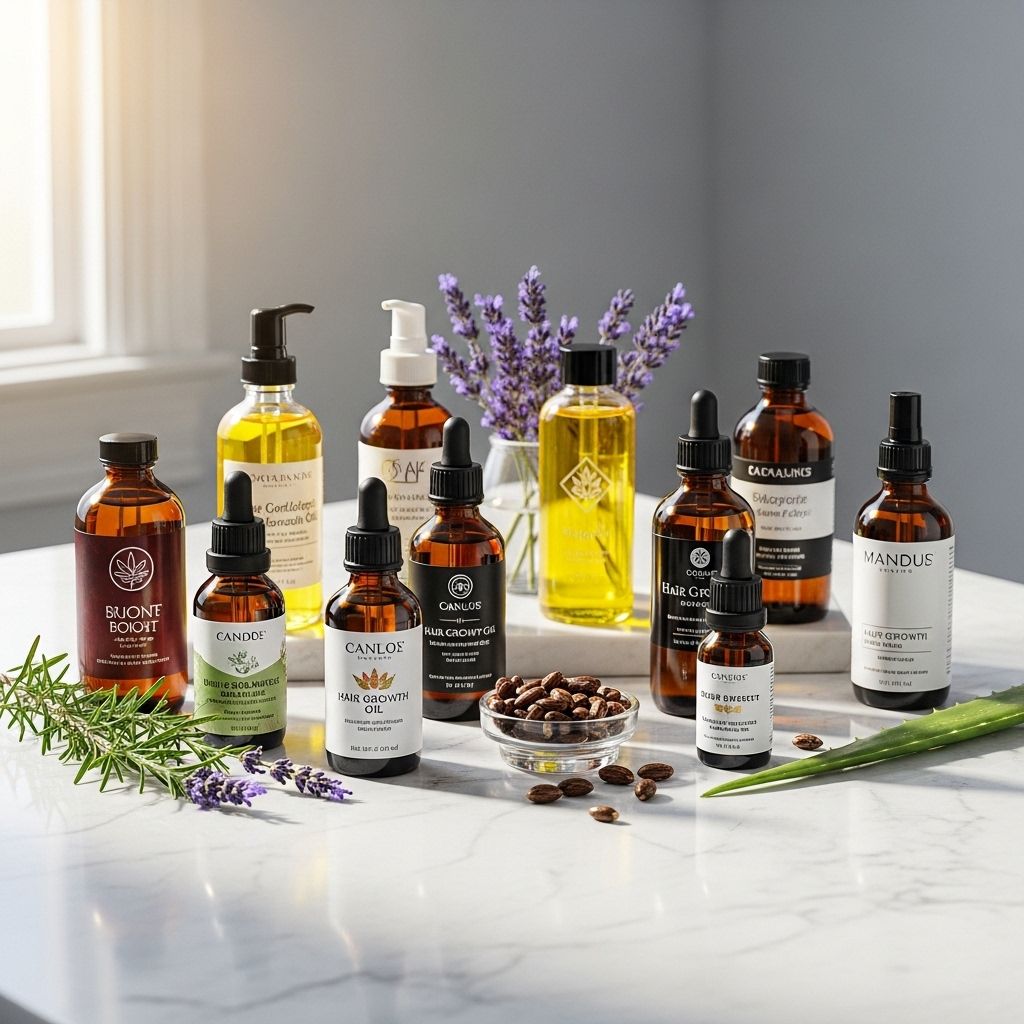
Struggling with thinning hair, dryness, or breakage? Many people turn to specialized treatments and regimens, but one time-honored solution—hair oiling—continuously earns praise from dermatologists for promoting a healthy scalp and vibrant locks. Below, we explore the best oils for hair growth, expert tips for use, and answers to your most pressing questions about nourishing your hair with nature’s finest elixirs.
Why Use Hair Growth Oils?
Hair oils offer multiple advantages for your scalp and hair, making them a favorite among dermatologists and hair experts. While oils may not directly speed up hair growth in every case, their consistent use creates a healthier scalp environment and stronger hair, both crucial for optimal growth and thickness.
- Scalp nourishment: Oils provide vitamins and minerals that boost scalp health, calm dryness, itchiness, and even reduce flakiness.
- Strand strength: Many natural oils strengthen both the hair follicle and shaft, reducing breakage and split ends.
- Protection: Coating hair with oil can help protect against heat styling, UV rays, and environmental stressors.
- Moisture balance: Oils hydrate dry or damaged hair while balancing scalp oils, making hair more manageable.
With so many oils on the market—each boasting unique compounds and benefits—it’s important to select one suited to your hair type and needs. Below are the top options, as recommended by dermatologists.
Best Hair Growth Oils, According to Experts
Here’s an in-depth look at trusted oils proven to revitalize your hair and scalp. Each selection is backed by tradition, emerging science, or strong endorsement from hair experts and dermatologists.
1. Argan Oil
- Source: The nut of the argan tree, native to Morocco
- Main Benefits: Provides intense moisture due to high fatty acid and squalene content; loaded with vitamin E, a known antioxidant
- Best for: Dry, frizzy, or damaged hair in need of repair
- Expert Note: Regular use helps soften strands, restore shine, and fight environmental damage.
2. Coconut Oil
- Source: The white flesh (meat) of mature coconuts
- Main Benefits: High in lauric acid, allowing deep hair shaft penetration to reduce protein loss, boost strength, and lock in moisture
- Best for: Most hair types, especially dry or damaged hair
- Expert Note: Its antimicrobial and anti-inflammatory effects may ease dandruff or a flaky scalp.
3. Castor Oil
- Source: Derived from castor beans
- Main Benefits: Deeply hydrates, soothes irritation, and is rich in ricinoleic acid, a fatty acid known to nourish roots and boost gloss
- Best for: Dry, brittle, or thinning hair
- Expert Note: Helps retain length by minimizing split ends and supporting a healthy scalp environment.
4. Rosemary Oil
- Source: Extracted from rosemary plant leaves
- Main Benefits: May stimulate hair follicles, enhance blood flow, and encourage thickness
- Best for: Those seeking to enhance growth and overall scalp health
- Expert Note: Popular in scientific studies for possible hair regrowth and thickness improvements.
5. Amla Oil
- Source: Derived from the Indian gooseberry fruit
- Main Benefits: Rich in vitamin C and potent antioxidants, supports stronger roots, rejuvenates follicles, and improves shine
- Best for: Weak, thinning, or dull hair
- Expert Note: Used for centuries in Ayurveda to promote strong, lustrous hair.
6. Sesame Oil
- Source: Extracted from sesame seeds
- Main Benefits: Contains linoleic and oleic acids, which deeply moisturize and soften hair
- Best for: Dry, frizzy, or easily tangled hair
- Expert Note: A common ingredient in scalp massage blends for its soothing and reparative qualities.
7. Vitamin E Oil
- Main Benefits: Antioxidant that reduces oxidative stress on the scalp, soothes flakiness, and strengthens follicles to reduce breakage
- Best for: Those with hair thinning, brittle hair, or dry, irritated scalp
- Expert Note: Frequently added to other oils for multiplier effects; boosts blood circulation to promote growth.
8. Peppermint Oil
- Source: The aromatic Mentha piperita plant
- Main Benefits: Shown in animal studies to increase follicle number, dermal thickness, and promote rapid hair growth
- Best for: Stimulating new growth and increasing scalp circulation
- Expert Note: Potent—should always be diluted with a carrier oil to prevent irritation.
9. Olive Oil
- Source: Pressed from olives
- Main Benefits: Hydrates and softens, rich in monounsaturated fatty acids and vitamin E; soothes a flaky scalp
- Best for: Coarse, curly, or highly porous hair
- Expert Note: Masks with olive oil can revive lackluster strands and manage dryness.
10. Jojoba Oil
- Source: Jojoba shrub in southwestern U.S. and Mexico
- Main Benefits: Similar in composition to natural scalp oils (sebum), regulates moisture, lightly conditions without feeling greasy
- Best for: All hair types, especially oily or sensitive scalps
- Expert Note: Excellent for balancing oil production and supporting follicular health.
11. Almond Oil
- Source: Pressed from sweet almonds
- Main Benefits: Lightweight, rich in magnesium, strengthens strands and reduces scalp inflammation
- Best for: Fine hair or those needing extra shine
- Expert Note: Controls frizz and smooths hair cuticles.
12. Grapeseed Oil
- Source: Extracted from grape seeds after winemaking
- Main Benefits: High in linoleic acid and antioxidants, softens hair without weighing it down
- Best for: Oily scalps, limp hair
- Expert Note: Used as a lightweight alternative to heavier oils.
13. Onion Oil
- Source: Distilled from onions
- Main Benefits: May strengthen roots, reduce dandruff, and help manage thinning
- Best for: Hair loss, patchy growth
- Expert Note: Use with caution due to strong odor; effective when used consistently.
14. Brahmi Oil
- Source: Derived from the Bacopa monnieri plant, often infused with other oils
- Main Benefits: Calms the scalp, nourishes roots, thought to reduce stress-related hair loss
- Best for: Weak, lifeless, or dull hair in need of a strength boost
- Expert Note: Popular in traditional Indian hair remedies.
15. Tea Tree Oil
- Source: Leaves of Melaleuca alternifolia (Australian tea tree)
- Main Benefits: Antibacterial and antifungal, soothes scalp irritation, reduces dandruff and inflammation
- Best for: Troubled, flaky, or sensitive scalps
- Expert Note: Always dilute before application; very effective for scalp health and clarity.
How to Use Hair Oils for Growth and Strength
To maximize the benefits of your chosen hair oil, proper application is key. Experts recommend using hair oil as a nourishing pre-shampoo mask or a targeted scalp treatment:
- Section your hair and apply the oil directly to the scalp using your fingertips.
- Massage gently for 10–15 minutes in small, circular motions to promote microcirculation and nutrient delivery.
- Work excess oil down your strands, concentrating on dry areas and ends, to shield against split ends and breakage.
- Allow the oil to sit for at least 30 minutes, or up to 3 hours for a deeper treatment, before shampooing.
For ongoing maintenance, use oil weekly if your scalp is dry or flaky. If your hair tends to be oily or weighed down, treatments two to three times a month are often sufficient.
Tips for Safe and Effective Hair Oiling
- Patch test: Always apply a little oil to a small skin area before use to rule out allergic reactions.
- Choose the right oil: Select oils tailored to your hair’s current needs (moisture, strengthening, irritation relief, etc.).
- Don’t overuse: Applying too much oil too often can make hair limp or greasy, especially for fine or oily hair types.
- Blend oils: Custom blends let you combine strengths of different oils (e.g., add a few drops of rosemary for growth to a base of argan oil) for a personalized treatment.
- Consult a dermatologist: If you experience persistent hair loss or scalp irritation, seek guidance from a healthcare professional or trichologist.
Quick Comparison Table: Top Hair Growth Oils
| Oil | Main Benefits | Best for | Expert Notable Use |
|---|---|---|---|
| Argan | Moisture, antioxidants, shine | Dry, frizzy hair | Restores luster |
| Coconut | Protein retention, scalp health | Damaged, dry hair | Reduces breakage |
| Rosemary | Follicle stimulation | Thinning hair, scalp care | Supports regrowth |
| Castor | Hydration, nourishment | Brittle, weak hair | Soothe scalp, reduce splits |
| Sesame | Moisture, softness | Frizzy, tangled hair | Scalp massage blends |
Frequently Asked Questions (FAQs)
Q: Does hair oiling actually help hair grow?
A: Oils may not directly force hair to grow faster, but they create a healthier scalp, nourish roots, and reduce breakage—enabling existing hair to reach its full growth potential.
Q: How often should I oil my hair for growth?
A: For dry or flaky scalps, once a week is ideal. For general maintenance, two to three times per month often suffices. Adjust based on your specific hair and scalp needs.
Q: Can these oils cause hair loss or side effects?
A: Some oils could cause skin irritation or allergic reactions, especially if applied in excess or without dilution. Perform a patch test before use, especially with more potent oils like peppermint or tea tree.
Q: Which oil is best for my hair type?
A: For dry, thick, or curly hair, opt for richer oils (argan, coconut, olive). For fine or oily hair, use lighter oils (jojoba, grapeseed). For scalp concerns and growth, look for rosemary, castor, or tea tree oils.
Q: Is it necessary to leave oil on overnight?
A: While leaving oil overnight offers intensive hydration, 30 minutes to 3 hours is sufficient for most treatments to deliver roots and strands the key nutrients they need.
Derm-Approved Tips for Your Hair Oiling Routine
- Be consistent: Regular oiling—weekly or biweekly—yields the best results.
- Stay gentle: Avoid tugging or aggressive scalp massage, which can damage follicles.
- Wash thoroughly: Use a gentle shampoo to remove excess oil without stripping your hair.
- Track your progress: Take notes or photos to see how your hair responds over several weeks.
Healthy hair starts with a healthy scalp. By understanding what each oil offers and tailoring your routine, you can support stronger, thicker, and shinier hair naturally—with or without expensive salon products.
References
- https://www.prevention.com/beauty/hair/a45860977/hair-oiling-benefits/
- https://www.prevention.com/beauty/hair/a65859056/vitamin-e-oil-hair-benefits/
- https://www.prevention.com/beauty/hair/a65036508/is-coconut-oil-good-for-your-hair/
- https://pmc.ncbi.nlm.nih.gov/articles/PMC4289931/
- https://www.prevention.com/beauty/hair/a60256623/batana-oil-for-hair/
- https://www.prevention.com/beauty/hair/a45141656/tea-tree-oil-for-hair/
- https://www.prevention.com/beauty/a20452258/12-highly-effective-treatments-for-hair-loss/
- https://www.prevention.com/beauty/hair/a62390070/diy-rosemary-water-for-hair/
- https://www.prevention.com/beauty/hair/a38164380/how-to-make-hair-thicker/
- https://www.prevention.com/beauty/a26099233/argan-oil-benefits/
Similar Articles





Read full bio of medha deb


